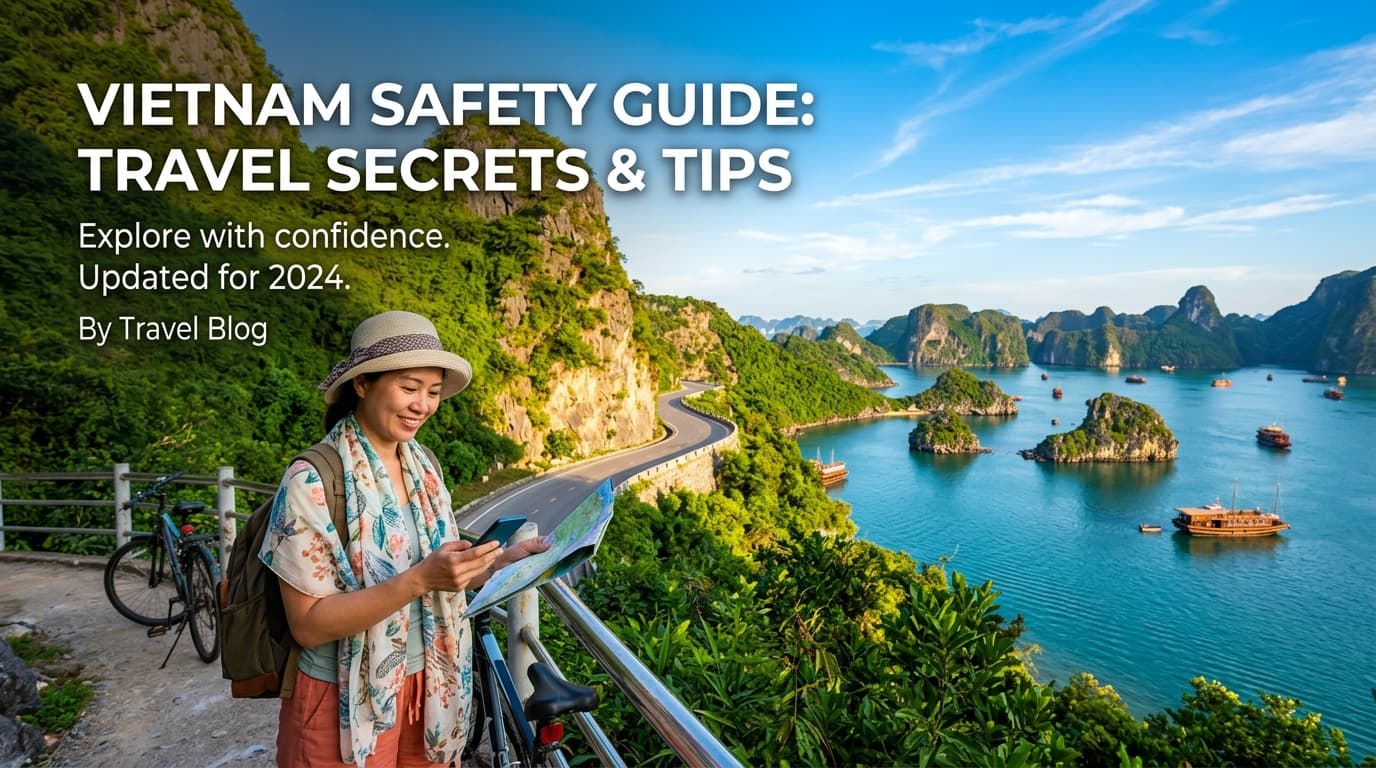
Is Vietnam Safe? Honest Safety Guide for Travelers in 2026
Vietnam has one of the lowest violent crime rates in Southeast Asia. Muggings, assaults, and crimes targeting tourists are genuinely rare. Most travelers complete their trip without any safety incident beyond a dose of travel stomach.
But "safe" is not the same as "carefree." Vietnam has three categories of real risk that deserve honest discussion: traffic, petty theft and scams, and health. Understanding these clearly means you can travel confidently rather than anxiously.
Overall Safety Assessment
Vietnam scores well by any objective measure: low violent crime, stable government, no terrorist threat to tourists, and a culture of hospitality toward foreign visitors. The Global Peace Index consistently ranks Vietnam above the regional average for Southeast Asia.
For context: you are statistically far more likely to be injured in Vietnam's traffic than to be the victim of any crime. The roads are the risk. Everything else is manageable with basic awareness.
Safe for: Solo travelers, solo women, families with children, older travelers, LGBTQ+ travelers (Vietnam is socially conservative but generally tolerant of foreign LGBTQ+ visitors who are not publicly demonstrative).
Traffic: The Biggest Real Risk
Vietnam has approximately 30 million registered motorbikes. In Ho Chi Minh City alone, there are roughly 8 million. When you arrive in a Vietnamese city for the first time and watch the intersections, the immediate reaction is usually that some law of physics is being violated.
The chaos is real but it has logic. Traffic in Vietnamese cities flows like a river -- constantly moving, finding space, adjusting around obstacles. Pedestrians and slower vehicles are obstacles that faster vehicles route around. The rule is not right-of-way; the rule is predictability.
How to cross a street safely:
- Do not wait for a gap. There is no gap.
- Step off the curb and begin walking at a slow, steady, consistent pace.
- Do not speed up, do not stop, do not change direction suddenly.
- Make eye contact with approaching drivers when possible.
- Traffic will flow around you.
This sounds counterintuitive, but experienced travelers figure it out within a day or two. The danger is stopping suddenly or making unpredictable movements that break the flow.
Motorbike Rentals
Thousands of tourists rent scooters every year and enjoy themselves. Thousands also end up at Vietnamese clinics with road rash, broken bones, and worse. The risks are:
- Experience mismatch: Many renters have never ridden a motorbike in their lives. Vietnamese traffic is not the place to learn.
- Road conditions: Potholes, unexpected gravel, flooded roads, and poorly marked turns catch inexperienced riders off guard.
- Other drivers: Trucks, buses, and experienced Vietnamese riders move fast and expect other road users to respond predictably.
- Insurance: Most travel insurance policies explicitly exclude motorbike accidents without a valid local license. Check your policy before renting.
If you are an experienced rider: rent from a reputable shop, wear a helmet that actually fits, ride defensively, and avoid highway riding at night. The Ha Giang Loop is worth doing but it is a mountain road with sheer drops and no guardrails.
If you are not an experienced rider: take Grab, hire a xe ôm (motorbike taxi), or rent a bicycle in flatter cities like Hội An.
Petty Theft
Bag-snatching and pickpocketing are the most common crimes against tourists, concentrated in:
- Ho Chi Minh City's District 1 (Bùi Viện "backpacker street," Bến Thành Market area)
- Hanoi's Old Quarter, particularly at night
- Crowded tourist beaches
Typical method: a person on a motorbike rides slowly alongside a pedestrian, then grabs a bag or phone with their passenger and accelerates. It happens in seconds.
Practical prevention:
- Keep your phone in your pocket or bag when not actively using it. Phones left on café table edges facing the street are easy grabs.
- Use a crossbody bag worn in front, not a backpack on your back, in crowded areas.
- Carry only the cash you need for the day; leave your passport and most cards at the hotel (use a photocopy for ID).
- If someone grabs your bag and runs, do not chase on foot into traffic.
For what it is worth: this type of theft is far rarer in Vietnam than in major Western European cities. The precautions are not paranoia -- they are just awareness.
Tourist Scams: What to Watch For
Taxi Overcharging
The classic Hanoi and HCMC problem. Fake meters that tick faster than real ones, drivers who take very long routes, or drivers who "can't find" small notes and demand you pay without change.
Solution: Use Grab exclusively. If you must use a taxi, Mai Linh and Vinasun are the two trustworthy national chains with properly calibrated meters.
Airport Touts
At Nội Bài (Hanoi) and Tân Sơn Nhất (Ho Chi Minh City) airports, men in uniforms near the arrivals exit will approach you offering taxi rides. These are unofficial taxis, not airport staff. Walk past them, exit the arrivals hall, and book a Grab on your phone from outside. The price difference can be 3-5x.
The "Tea Ceremony" or "Restaurant Invitation" Scam
Friendly strangers approach you, strike up conversation, and invite you for tea or food at a café "you must try." The café is in on it. When the bill arrives, your cup of tea costs 500,000 VND ($20). If you protest, the café staff and your "friend" become very insistent.
This scam runs in Hanoi, Ho Chi Minh City, and tourist towns throughout Southeast Asia. Be cautious about accepting spontaneous invitations from strangers who approach you unsolicited. Genuine Vietnamese hospitality does not come with a bill.
Cyclo and Xe Ôm Price Disputes
A cyclo (three-wheeled bicycle taxi) driver offers a tour for "100,000 VND" and at the end demands 100,000 VND per person, or per 10 minutes, or some other interpretation that inflates the price. Always confirm the total price, per person, for the whole journey, before you get in or on.
Use Grab for all motorbike taxis. The problem disappears.
Fake Ha Long Bay Cruises
There are genuine boat operators and there are offices that take your money and then put you on a substandard vessel. Warning signs: no clearly branded company name, price much lower than the market rate, operator cannot show you the actual boat before payment, no verifiable reviews.
Book through a well-reviewed operator. Read recent TripAdvisor reviews before committing. See our Ha Long Bay guide for recommendations.
Shoe-Shine and "Broken Motorbike" Scams
A boy offers to shine your shoes. You decline. He begins anyway. You find yourself paying 200,000 VND ($8) for an unsolicited shoe shine. Alternatively: someone approaches and says they found a wallet / your motorbike tire is flat / your bag has a stain -- and during the distraction, an accomplice picks your pocket.
The consistent rule: anything that feels like it is being done to you rather than for you is worth stepping away from immediately.
Unofficial Visa Services
Online advertisements for Vietnam e-visa "agencies" charge $30-80 for a service that costs $25 directly from the Vietnamese government. Only apply at evisa.xuatnhapcanh.gov.vn. The official process is straightforward and takes 3 business days.
Health and Medical
Drinking Water
Never drink tap water in Vietnam. This applies even in Hanoi and Ho Chi Minh City. Sealed bottled water (nước đóng chai) costs 10,000-15,000 VND for 1.5L at any convenience store. Refillable water stations are available at most hostels and many hotels.
Ice in city restaurants is typically made from filtered water. In rural areas, remote restaurants, or questionable street stalls, ice is higher risk. The phrase "không đá" (no ice) is universally understood.
Food Safety
Street food in Vietnam is generally safe if you apply basic judgment: eat where locals eat, choose stalls with high turnover, order things cooked to order. Traveler's diarrhea is common in the first few days regardless -- your gut is adjusting to different bacteria levels in produce and water. Carry rehydration salts (muối bù điện giải, available at any pharmacy for 5,000-10,000 VND per sachet).
Higher-risk foods: shellfish from unverified sources, salads washed in tap water, fruit pre-cut at roadside stalls in high heat.
Recommended Vaccinations
Consult your doctor 4-6 weeks before travel. Standard recommendations for Vietnam include:
- Hepatitis A: Strongly recommended for all travelers. Transmitted through contaminated food and water.
- Hepatitis B: Recommended, especially for longer trips. Blood and bodily fluid transmission.
- Typhoid: Particularly important if you plan to eat a lot of street food or visit rural areas.
- Tetanus-Diphtheria: Ensure your boosters are current.
- Japanese Encephalitis: Recommended for travelers spending extended time (1 month+) in rural areas, especially during the wet season. Mosquito-borne. Vaccine given as 2 doses over 28 days -- plan ahead.
- Rabies: Consider for travelers planning to spend time in remote areas, work with animals, or undertake adventure activities far from medical care.
Not required for entry: No vaccinations are mandatory for entry to Vietnam for most nationalities.
Mosquito-Borne Diseases
Dengue fever is the most significant mosquito-borne risk in Vietnam -- it is present year-round and in all regions, but peaks during the rainy season (May-November). There is no effective vaccine widely available. Prevention is the only strategy:
- Use DEET-based repellent (kem chống muỗi) of 30-50% concentration
- Wear long sleeves and trousers at dawn and dusk
- Sleep under a mosquito net if accommodation is not adequately screened
- The dengue mosquito (Aedes aegypti) bites during the day, not just at night
Malaria risk is low in major tourist destinations but exists in remote highland areas near the Cambodian and Laotian borders. If you are trekking in remote Tây Nguyên (Central Highlands) or border regions, consult a travel medicine clinic about prophylaxis.
Zika virus is present in Vietnam. Pregnant travelers should take specific advice from their doctor.
Medical Care
In major cities, medical care is reasonably good at international hospitals:
- Hanoi: Hà Nội Family Medical Practice (143A Đốc Ngữ), FV Hospital satellite clinics
- Ho Chi Minh City: FV Hospital (6 Nguyễn Lương Bằng, Quận 7), Columbia Asia Saigon (8 Alexandre de Rhodes)
- Da Nang: Da Nang International General Hospital
For minor issues (traveler's diarrhea, cuts, mild infections), pharmacies (nhà thuốc) are well-stocked and pharmacists will advise without a prescription. Vietnamese pharmacies sell antibiotics, antiparasitics, and most common medications over the counter at low cost.
Travel insurance is essential: Medical evacuation from Vietnam to Singapore or Bangkok, where advanced care is available, costs $30,000-80,000 USD without insurance. Buy comprehensive travel insurance before you depart.
Natural Hazards
Typhoons
Vietnam's typhoon season runs from June to November, concentrated in the central and northern coastline. Typhoons can bring severe flooding, road closures, and dangerous sea conditions. The worst months for central Vietnam (Hue, Hoi An, Da Nang) are October and November.
Monitor weather forecasts during this period. When typhoon warnings are issued, do not attempt coastal activities, cross flooded roads, or take boats. Authorities will advise on evacuations if necessary. See our Vietnam typhoon season guide for full details.
Flash Floods
In northern mountain areas (Sapa, Ha Giang), heavy rain can cause flash floods and landslides. Do not cross flooded streams on foot or motorbike. Local knowledge matters here -- if locals refuse to travel a road, take their advice.
Sun and Heat
Vietnam's tropical heat is a genuine physical risk, particularly in the south from March to May. Heat exhaustion sets in faster than most visitors expect, especially in humid coastal cities. Drink 2-3 liters of water per day, avoid midday sun during peak season, and use high-SPF sunscreen on all exposed skin.
LGBTQ+ Safety
Vietnam has no laws criminalizing same-sex relationships, and urban areas (particularly Ho Chi Minh City and Hanoi) have visible LGBTQ+ communities, pride events, and gay-friendly venues. Vietnamese society is generally tolerant if not actively celebratory of LGBTQ+ identities.
Public displays of affection -- for any couple, including heterosexual ones -- are culturally conservative in Vietnam, particularly in rural areas and at temples. Discretion outside major cities is advisable for same-sex couples.
Final Assessment
Vietnam is a safe travel destination. The precautions outlined here are worth taking, but they should not create anxiety. Millions of travelers visit every year. The overwhelming majority have positive, trouble-free experiences.
The practical summary:
- Use Grab for all rides
- Don't leave your phone on café tables facing the street
- Cross streets slowly and steadily
- Drink only bottled water
- Check your travel insurance covers medical evacuation
- Get Hepatitis A and Typhoid vaccinations before you go
For first-time visitors, our complete first-time Vietnam guide covers everything you need to arrive ready.
Sources & References
This article is based on first-hand experience and verified with the following official sources:

Go2Vietnam Team
Exploring Vietnam since 2020 | 40+ provinces visited | Updated monthly
We are a team of travel writers and Vietnam enthusiasts who explore the country year-round. Our guides are based on first-hand experience, local knowledge, and verified official sources.
More about us →People Also Read
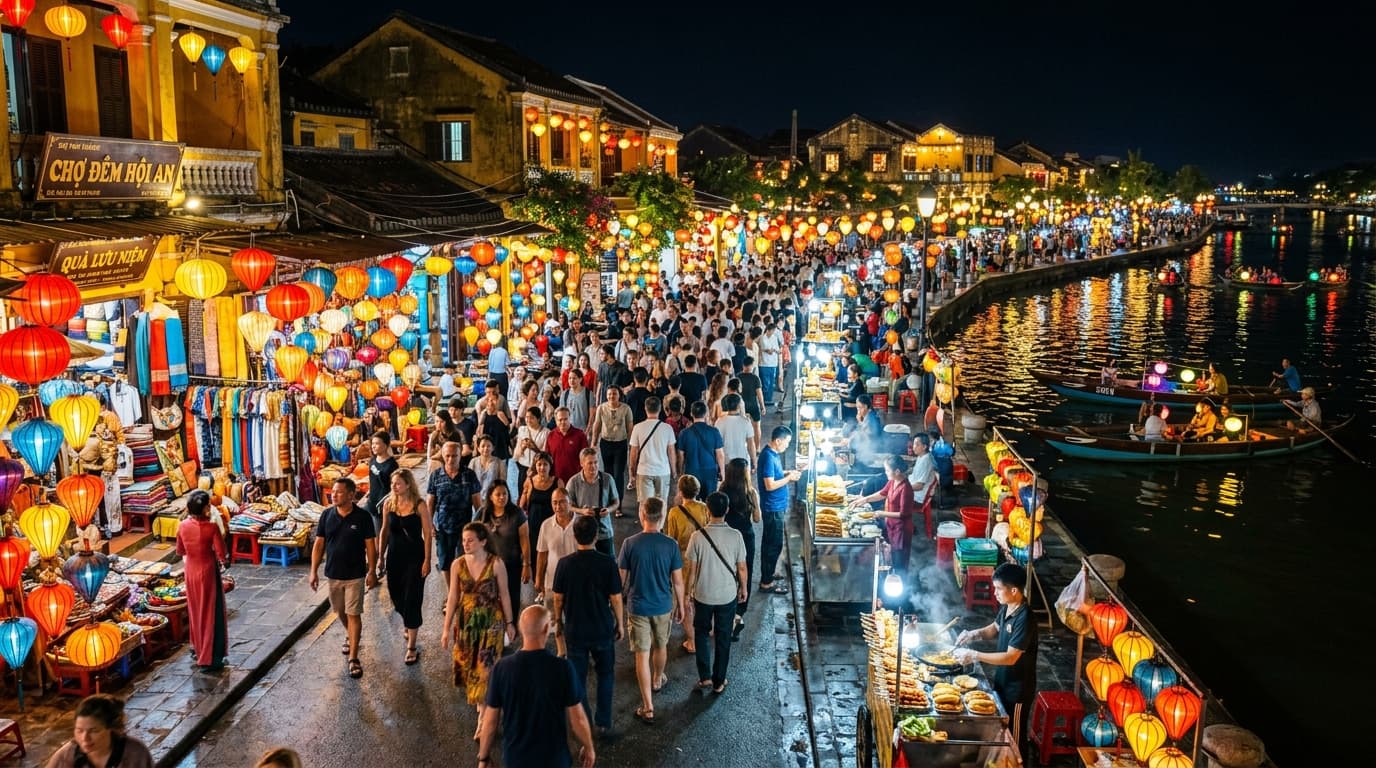
Best Night Markets in Vietnam: What to Eat, Buy, and Expect
The best night markets in Vietnam by city: opening hours, what to buy, what to eat, and how to haggle without getting ripped off.
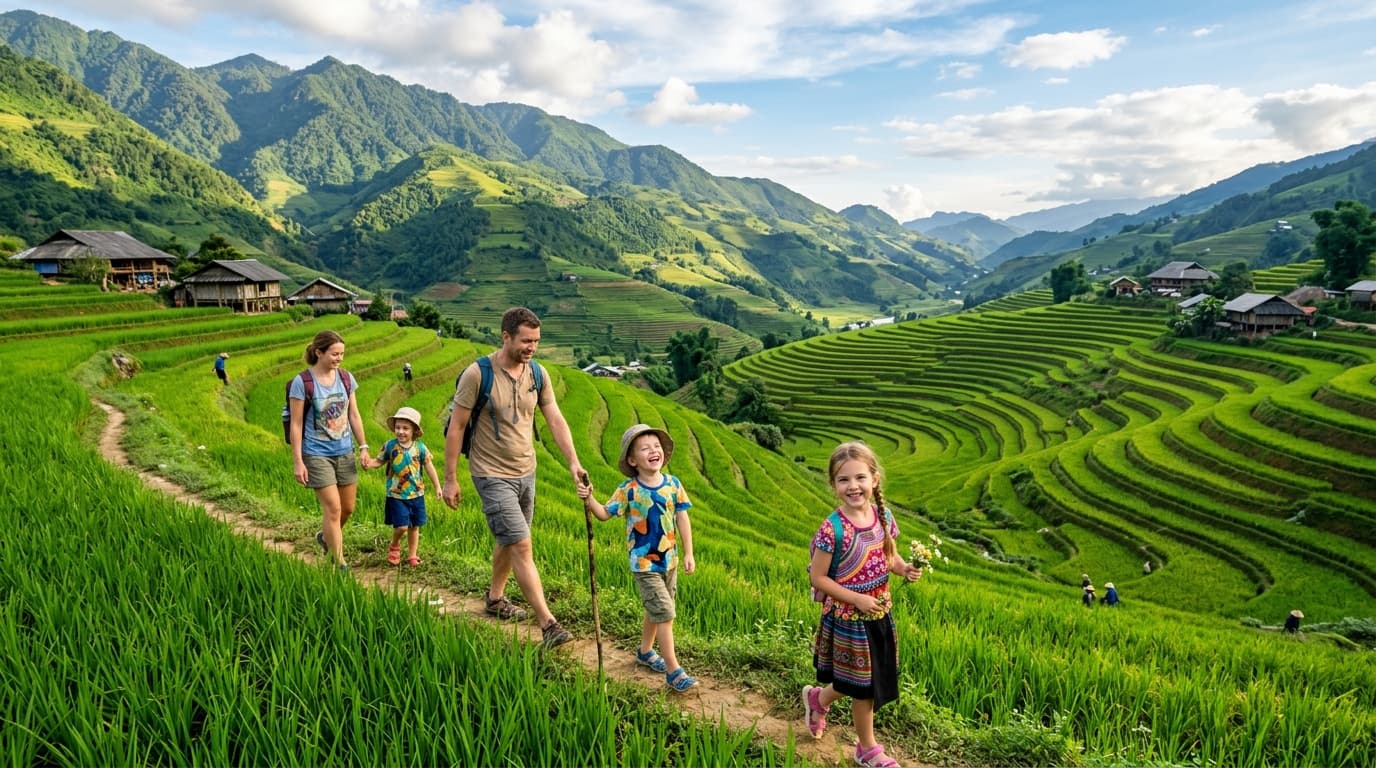
Vietnam with Kids: Family-Friendly Itineraries and Tips
How to travel Vietnam with kids: age-appropriate activities, family-friendly hotels, health precautions, and honest itinerary advice for families with children of all ages.
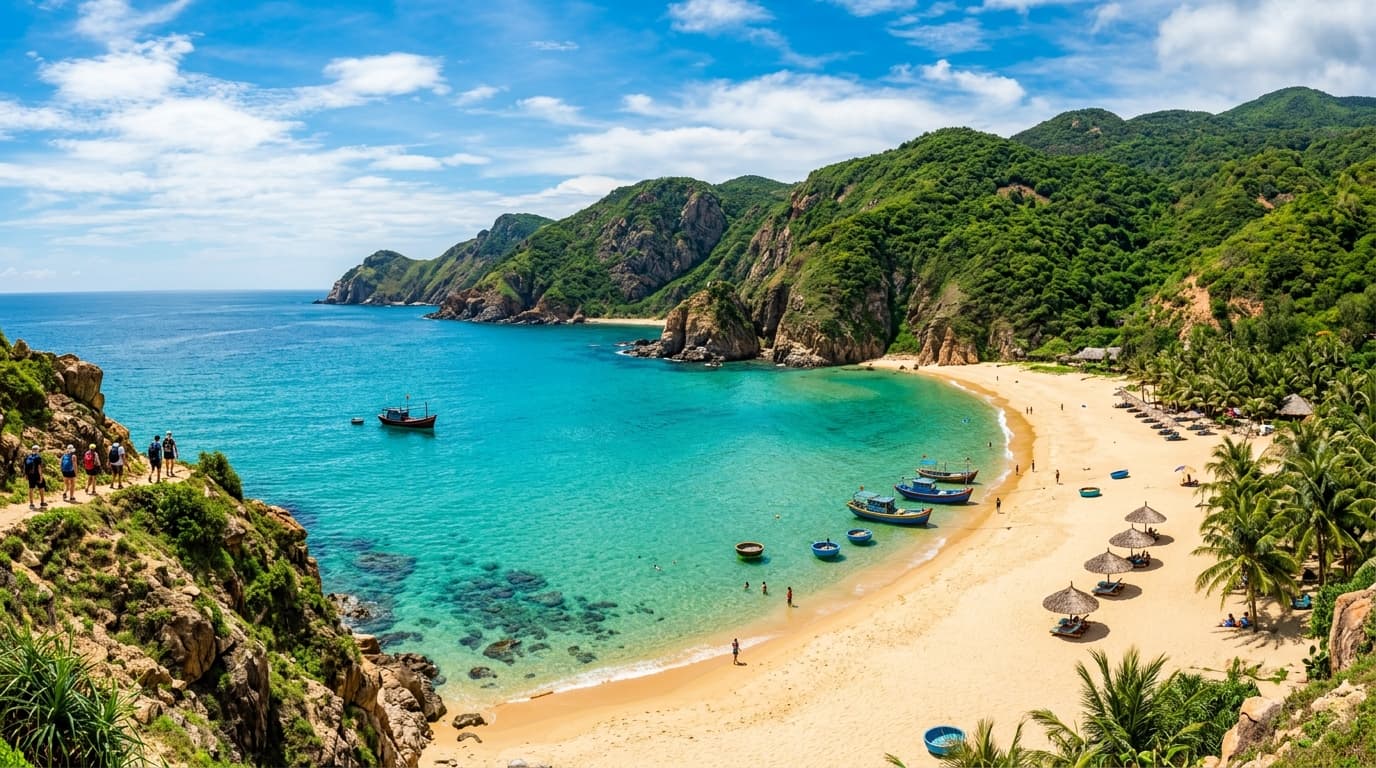
12 Best Beaches in Vietnam: From Secret Coves to Resort Shores
The 12 best beaches in Vietnam for 2026, including secret coves, resort beaches, and island escapes. Best season, how to get there, and what to expect.
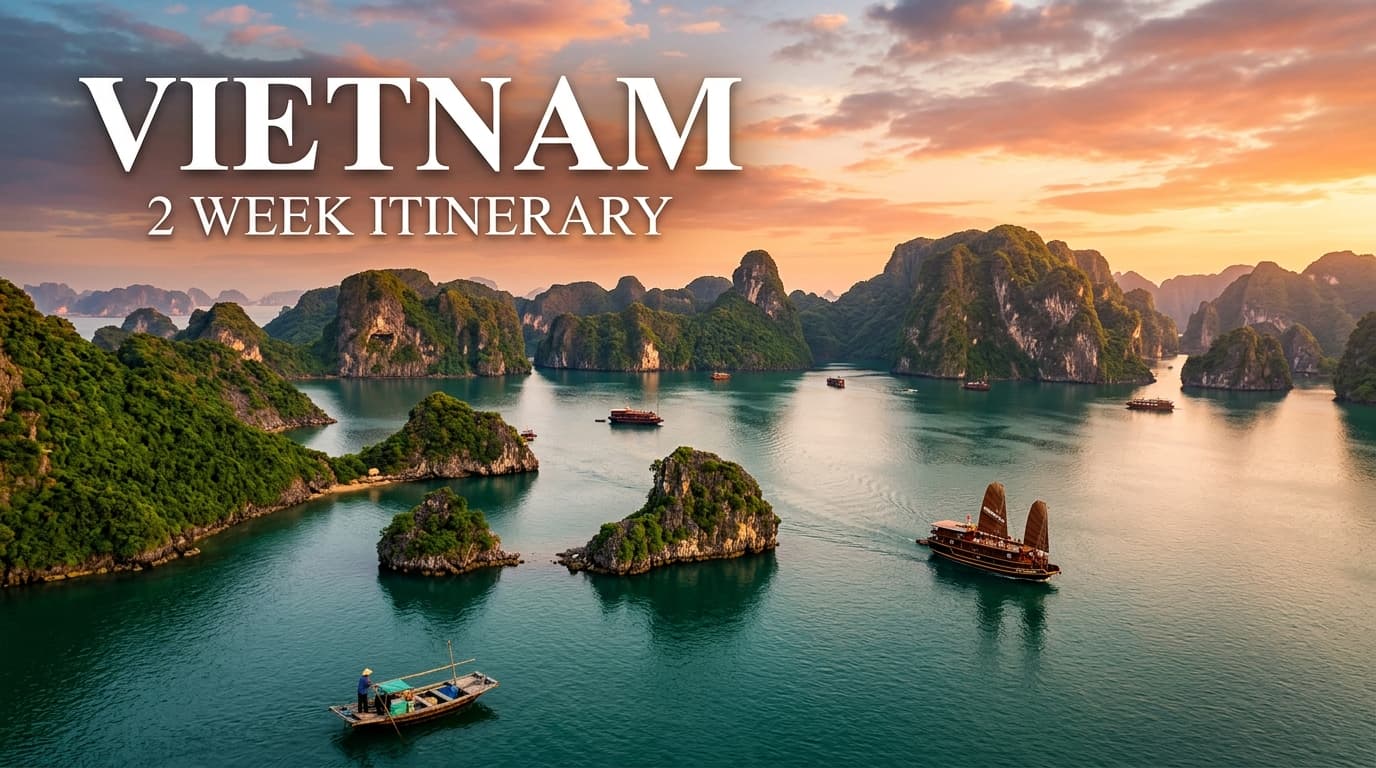
Vietnam in 2 Weeks: The Perfect North-to-South Itinerary
The ultimate 14-day Vietnam itinerary from Hanoi to Ho Chi Minh City. Day-by-day breakdown with transport options, costs in VND and USD, and honest advice on what to skip.
Plan Your Vietnam Trip
Book hotels, transport, activities, and get connected with an eSIM
Some links are affiliate links. We may earn a commission at no extra cost to you.