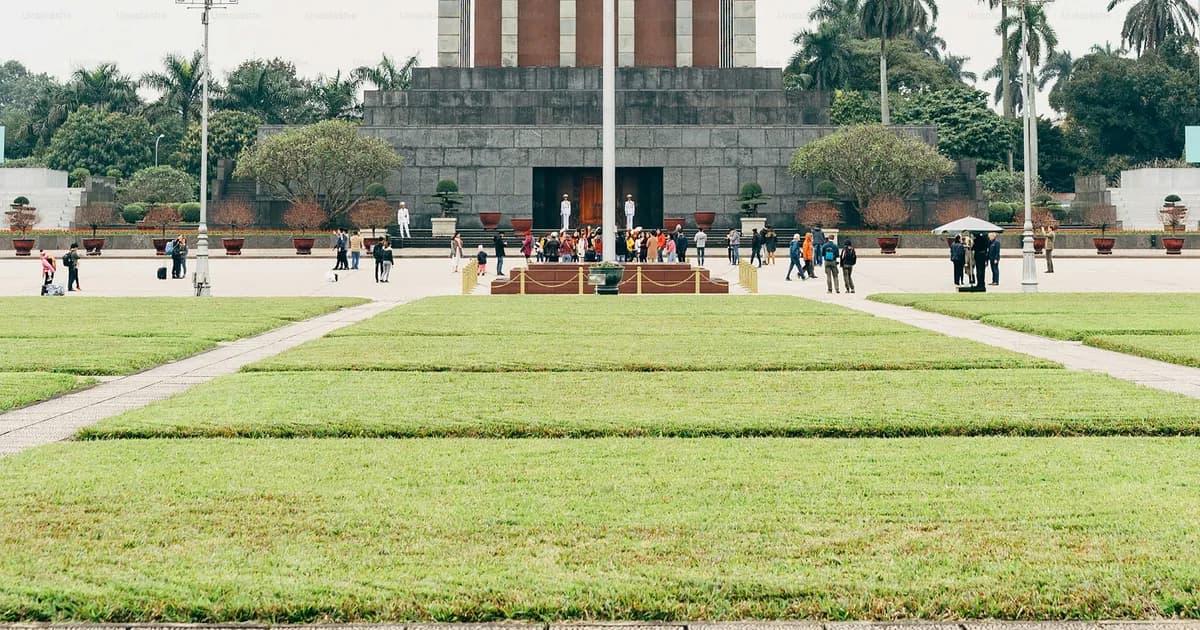
First Time in Vietnam: Everything You Need to Know (2025 Guide)
First Time in Vietnam: Everything You Need to Know (2025 Guide)
Vietnam is one of Southeast Asia's most rewarding destinations -- a country where ancient temples sit alongside French colonial architecture, where the street food alone is worth the flight, and where your budget stretches further than almost anywhere else in the region. But a first visit can feel overwhelming. This guide breaks down everything you need to arrive confident and travel smart.
Visa Requirements: The E-Visa Process
Since August 2023, citizens of all countries can apply for a Vietnamese e-visa online. The process is straightforward:
- Duration: Up to 90 days, single or multiple entry
- Cost: $25 USD (paid online by credit card)
- Processing time: 3 working days (apply at evisa.xuatnhapcanh.gov.vn)
- What you need: Passport photo page scan, a passport-style photo, and your planned entry point
Citizens of 13 countries (including the UK, France, Germany, Italy, Spain, Japan, and South Korea) can enter visa-free for up to 45 days. US, Canadian, and Australian citizens need the e-visa.
Pro tip: Print two copies of your e-visa approval letter. Immigration officers at land borders sometimes want a physical copy, and airport Wi-Fi can be unreliable when you need to pull up the PDF.
Best Time to Visit
Vietnam stretches over 1,600 km from north to south, so there is no single "best time." The climate varies dramatically by region.
Northern Vietnam (Hanoi, Ha Long Bay, Sapa)
- Best months: October to December (cool, dry, clear skies)
- Avoid: January-February can drop to 10°C in Hanoi and near freezing in Sapa. July-August brings heavy rain.
Central Vietnam (Hue, Hoi An, Da Nang)
- Best months: February to May (warm, minimal rain)
- Avoid: October-November is typhoon season -- serious flooding hits Hoi An regularly.
Southern Vietnam (Ho Chi Minh City, Mekong Delta, Phu Quoc)
- Best months: December to April (dry season)
- Rainy season (May-November) brings daily afternoon downpours but they rarely last more than an hour.
Pro tip: If you are traveling north to south across two weeks, aim for October-November. The north will be perfect, central Vietnam is a gamble, and the south is transitioning to dry season.
Money and Budget
The Vietnamese dong (VND) uses large numbers that take a day or two to get used to. A quick mental shortcut: divide by 25,000 to get approximate USD.
- Exchange rate (2025): roughly 25,000 VND = $1 USD
- ATMs: Available everywhere. TP Bank and VP Bank ATMs have the lowest fees (free for international cards at many branches). Withdraw the maximum (5,000,000 VND / ~$200) to minimize per-transaction fees.
- Cash vs card: Street food, markets, and small hotels are cash only. Mid-range restaurants and hotels accept cards, but always carry cash outside major cities.
- Tipping: Not traditionally expected, but appreciated. 10-15% at tourist-oriented restaurants. Round up for Grab drivers. Leave 50,000-100,000 VND/day for hotel housekeeping at nicer hotels.
Daily Budget Ranges
| Traveler Type | Per Day |
|---|---|
| Backpacker | $20-30 / 500,000-750,000 VND |
| Mid-range | $50-80 / 1,250,000-2,000,000 VND |
| Comfort | $100-200+ / 2,500,000-5,000,000+ VND |
For a deeper breakdown, see our guide to Vietnam on a budget.
Getting Around
Vietnam's transport network is well-developed and affordable. Here are your main options:
Domestic Flights
Vietnam Airlines, VietJet Air, and Bamboo Airways connect major cities. Hanoi to Ho Chi Minh City takes 2 hours and costs 800,000-2,000,000 VND ($32-80) if booked in advance. Book through the airline websites directly -- third-party sites often charge more.
Trains
The Reunification Express runs the full length of the country from Hanoi to Ho Chi Minh City. The full journey takes 34 hours, but the best segments are:
- Hanoi to Hue: 13 hours overnight (soft sleeper from 700,000 VND / $28)
- Hue to Da Nang: 2.5 hours along the stunning Hai Van Pass
- Da Nang to Hoi An: Take a Grab instead (30 minutes, ~150,000 VND / $6)
Grab (Ride-Hailing)
Grab is the Uber of Southeast Asia and your best friend in Vietnam. Use GrabCar for air-conditioned comfort or GrabBike for quick trips through traffic. Always use the app rather than negotiating with street taxis to avoid scams.
Sleeper Buses
Long-distance sleeper buses (xe giuong nam) are a backpacker staple. You get a reclining pod with blanket and pillow. Hanoi to Sapa (6 hours) costs around 250,000-350,000 VND ($10-14). The Phuong Trang (FUTA) bus company is the most reliable.
Safety and Health
Vietnam is one of the safest countries in Southeast Asia for travelers. Violent crime against tourists is extremely rare. That said, stay aware of these common issues:
Common Scams
- Taxi overcharging: Use Grab exclusively, or insist the meter is running in Mai Linh or Vinasun taxis.
- Shoe-shine hustle: Especially in Hanoi's Old Quarter. Someone grabs your shoe and starts polishing, then demands 500,000 VND.
- Cyclo overcharging: Always agree on a price before getting in. Better yet, just use Grab.
- "Broken" motorbike rental: Take photos and video of the bike before riding off, or they will charge you for pre-existing damage.
Health
- Water: Never drink tap water. Bottled water costs 5,000-10,000 VND everywhere. Ice in restaurants and cafes is factory-made and safe.
- Travel insurance: Mandatory recommendation. A motorbike accident without insurance can cost thousands. World Nomads and SafetyWing are popular with travelers.
- Vaccinations: Consult your doctor 4-6 weeks before travel. Hepatitis A/B and typhoid are commonly recommended. Malaria prophylaxis is only needed for remote highland areas.
Pro tip: Pack Imodium and oral rehydration salts. Even careful eaters sometimes get a stomach adjustment in the first few days -- it usually passes quickly.
Cultural Etiquette
Vietnamese people are famously welcoming, but showing cultural awareness goes a long way:
- Shoes off: Remove shoes when entering homes, many small shops, and all temples. Look for a pile of shoes at the door as your cue.
- Temple dress code: Cover shoulders and knees at temples and pagodas. Carry a light scarf or sarong for impromptu visits.
- Greetings: A slight bow or nod with both hands clasped is respectful. Handshakes are common in business settings. Use "xin chao" (sin chow) for a universal hello.
- Chopsticks: Never stick them upright in rice -- this resembles funeral incense and is considered very bad luck.
- Bargaining: Expected at markets, not at restaurants or shops with fixed prices. Start at 50-60% of the asking price and meet somewhere in the middle. Keep it friendly.
- Photography: Ask before photographing people, especially ethnic minority communities in the highlands.
Must-Have Apps
Download these before you land:
- Grab -- Ride-hailing and food delivery. The single most useful app in Vietnam.
- Google Maps -- Download offline maps for your regions. Data coverage can be patchy in rural areas.
- Google Translate -- Download the Vietnamese language pack for offline camera translation (great for menus).
- XE Currency -- Real-time VND conversion so you are never confused by the zeros.
- Agoda or Booking.com -- Last-minute hotel deals, often cheaper than walk-in rates.
- 12Go Asia -- Book trains, buses, and ferries in advance.
Packing Essentials
Vietnam's climate demands smart packing:
- Rain jacket or compact umbrella -- Essential year-round, even in "dry" season.
- Comfortable walking shoes -- Sidewalks are uneven, and you will walk a lot. Sandals for beaches and temples.
- Insect repellent -- Mosquitoes are aggressive, especially at dusk.
- Power adapter -- Vietnam uses Type A, C, and F outlets (220V). Most European and US plugs fit without an adapter, but bring a universal one to be safe.
- Daypack with zipper -- Keep valuables zipped and in front of you in busy areas. Bag snatching from motorbikes happens occasionally.
- Sunscreen -- SPF 50+. Available locally but expensive imported brands cost double.
Final Thoughts
Vietnam rewards the curious traveler. It is a country where getting slightly lost usually leads to the best experiences -- a hidden pho stall, a conversation with a local over ca phe sua da (iced milk coffee), or a viewpoint you will never find on TripAdvisor. Come with an open mind, a sense of humor about the motorbike traffic, and a willingness to try everything at least once.
Ready to start planning? Check out our 2-week Vietnam itinerary for a day-by-day route from north to south.

Team
Vietnam verkennen sinds 2020 | 40+ provincies bezocht | Maandelijks bijgewerkt
Wij zijn een team van reisschrijvers en Vietnam-liefhebbers die het land het hele jaar door verkennen. Onze gidsen zijn gebaseerd op eigen ervaring, lokale kennis en geverifieerde officiële bronnen.
Meer over ons →Anderen lezen ook
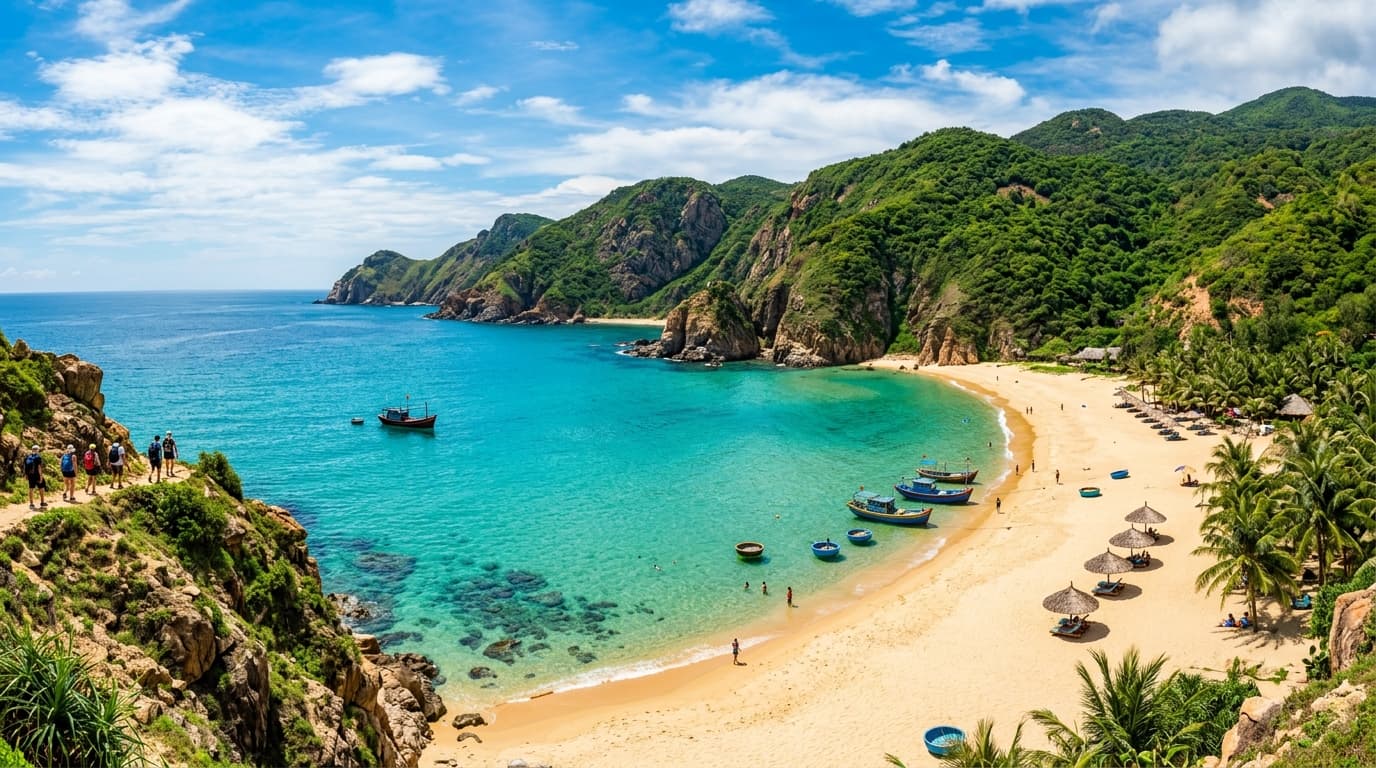
12 Best Beaches in Vietnam: From Secret Coves to Resort Shores
The 12 best beaches in Vietnam for 2026, including secret coves, resort beaches, and island escapes. Best season, how to get there, and what to expect.
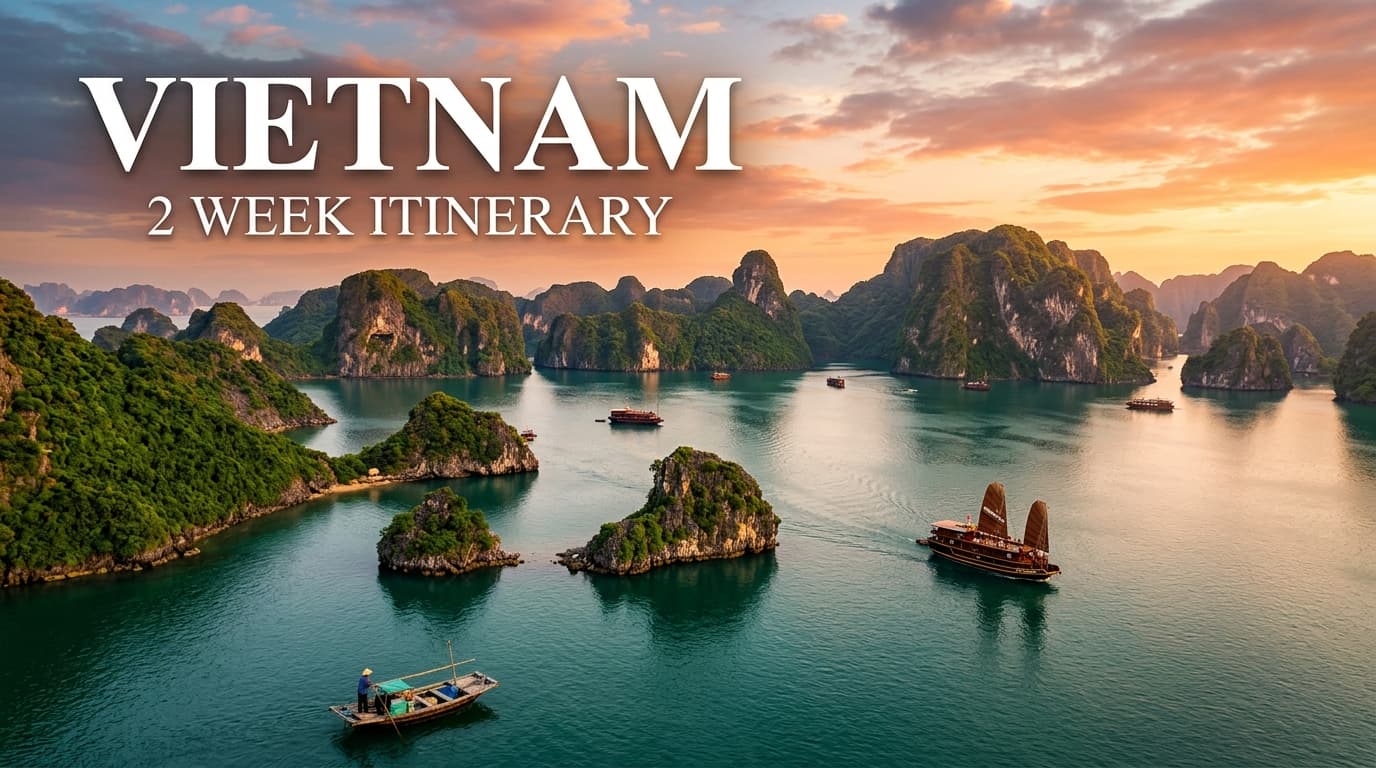
Vietnam in 2 Weeks: The Perfect North-to-South Itinerary
The ultimate 14-day Vietnam itinerary from Hanoi to Ho Chi Minh City. Day-by-day breakdown with transport options, costs in VND and USD, and honest advice on what to skip.
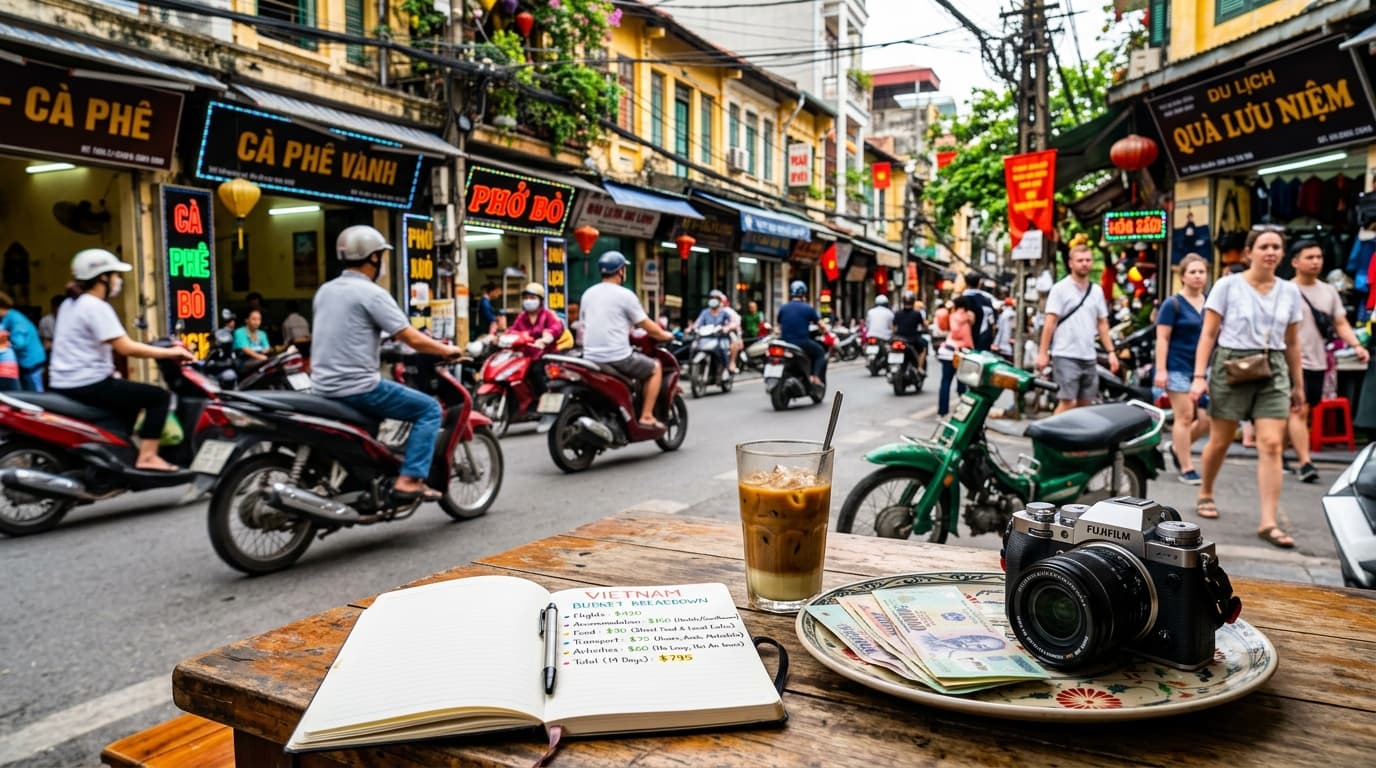
Vietnam Travel Costs: Detailed Daily Budget Breakdown for 2026
Real 2026 Vietnam travel costs broken down by category and city. Accommodation from 200,000 VND/night, street food from 25,000 VND. Includes hostel prices, transport costs, and total trip estimates.
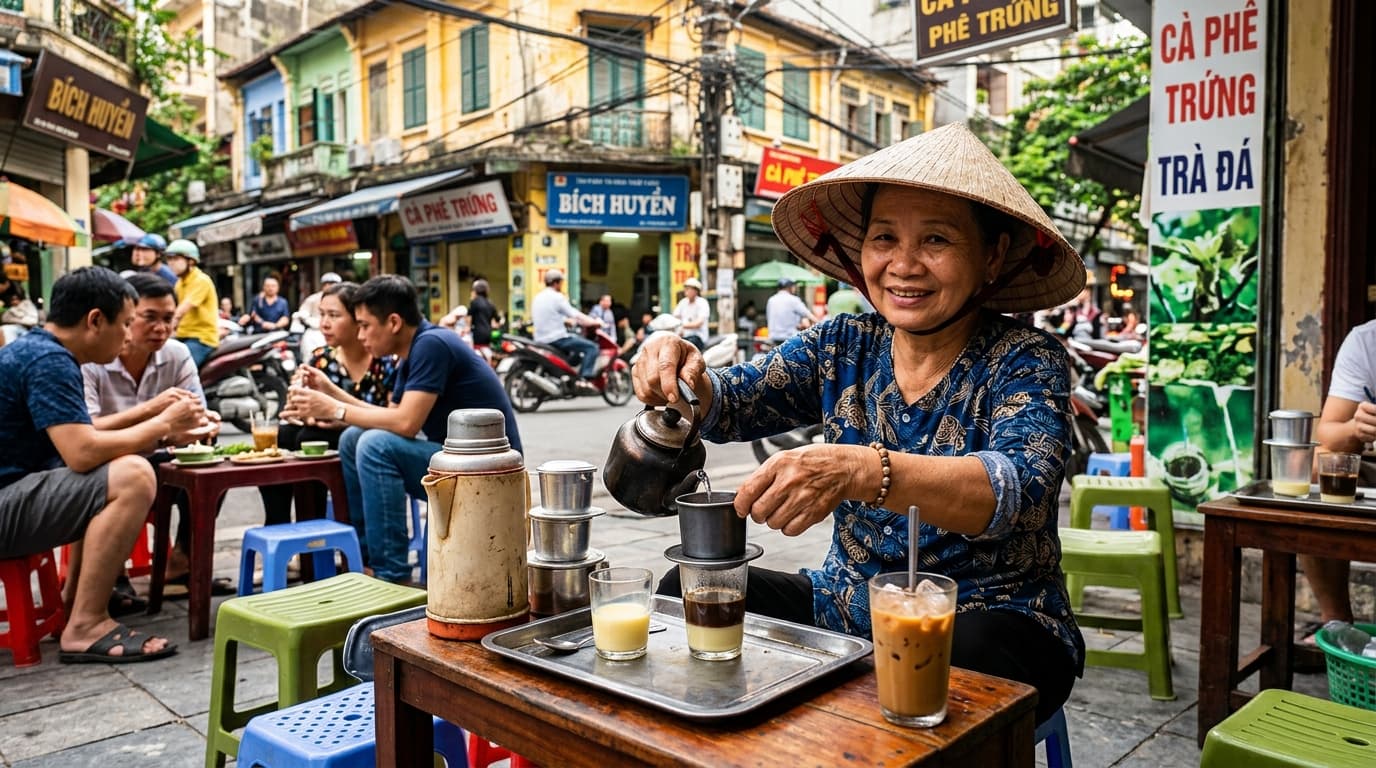
Vietnamese Coffee Culture: From Cà Phê Sữa Đá to Specialty Roasters
The complete guide to Vietnamese coffee culture: history, types of cà phê, where to drink the best egg coffee and cà phê sữa đá, and the best specialty roasters in each city.
Plan Your Vietnam Trip
Book hotels, transport, activities, and get connected with an eSIM
Some links are affiliate links. We may earn a commission at no extra cost to you.