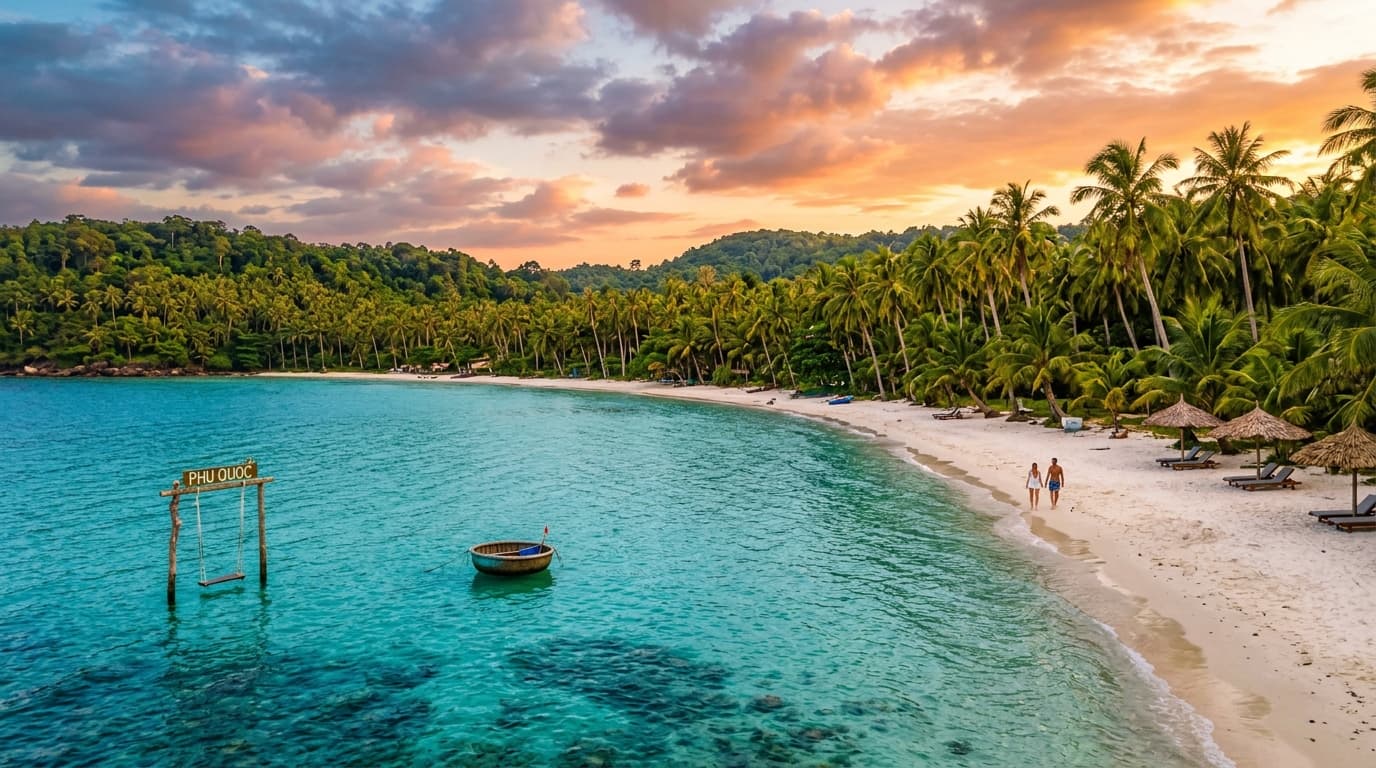
Phu Quoc Island Complete Guide: Beaches, Resorts & Night Market
Phu Quoc Island is Vietnam's largest island and one of Southeast Asia's most underrated beach destinations—a place where pristine white-sand beaches meet jungle-covered mountains, where fresh seafood sizzles in night markets, and where you can still find genuine local culture alongside modern resort luxury. When we explored Phu Quoc's 40km coastline, we discovered an island that balances development with authenticity in a way few Vietnamese destinations manage.
Key Takeaways
| Question | Answer |
|---|---|
| What is the best time to visit? | November to April (dry season) when skies are clear and seas are calm |
| How much does it cost? | Budget: 500,000–800,000 VND/day; Mid-range: 1–2 million VND/day; Luxury: 3+ million VND/day |
| How do I get there? | Fly from Ho Chi Minh City (1 hour) or take a ferry from Ha Tien (2 hours) |
| Is it safe? | Very safe; petty theft is rare, and locals are welcoming to tourists |
| What should I book in advance? | Flights during peak season (Dec–Jan), beachfront resorts, and sunset cruises |
| How long should I stay? | 3–5 days ideal; 2 days minimum to experience beaches and night market |
| What's the main draw? | Unspoiled beaches, fresh seafood, and a slower pace than other Vietnamese islands |
1. Getting to Phu Quoc: Transport Options
Reaching Phu Quoc Island is straightforward, with multiple transport options depending on your budget and schedule. The island sits 120km southwest of Ho Chi Minh City and is increasingly well-connected to mainland Vietnam.
During our team's visits, we found that flying remains the fastest and most popular option for most travelers. Phu Quoc International Airport (PQC) receives direct flights from Ho Chi Minh City, Hanoi, and Da Nang, with flight times ranging from 1 to 2.5 hours. Budget airlines like Vietjet and Bamboo Airways offer competitive fares, especially if you book 2–3 weeks in advance.
Flying to Phu Quoc
The most convenient option is flying from Ho Chi Minh City to Phu Quoc, which takes just 1 hour. The airport is modern and efficient, located about 30km from the main town of Duong Dong. From the airport, you can arrange a hotel transfer (around 300,000–500,000 VND), take a taxi, or rent a motorbike for independent exploration.
Search and compare flights to Hanoi, Ho Chi Minh City, Da Nang and Phu Quoc at the best prices.
Search Flights on Trip.com →Ferry and Bus Alternatives
For budget travelers or those seeking adventure, ferries operate from Ha Tien on the mainland (approximately 2 hours by sea). The ferry experience itself is memorable—you'll share the journey with local traders, fishermen, and other travelers. Bus-and-ferry combination tickets are available from Ho Chi Minh City, though the total journey takes 5–6 hours and is best suited for travelers with flexible schedules.
Book buses, trains, ferries, and transfers between Vietnamese cities easily online. Compare routes and prices.
Book Transport on 12Go → Scan me
2. Best Beaches: Where to Swim, Sunbathe & Relax
Phu Quoc's beaches are the island's main attraction, each with distinct character and appeal. Unlike the crowded shores of Nha Trang, Phu Quoc's beaches remain relatively uncrowded even during peak season, offering that rare combination of beauty and tranquility.
The island's western coast, facing Thailand, features the calmest waters and most developed infrastructure. Our team spent several mornings exploring different stretches and found that each beach rewards early risers with empty sand and golden light.
Long Beach (Bai Truong)
Long Beach is Phu Quoc's most famous strand—a 20km crescent of golden sand backed by coconut palms and an increasingly impressive lineup of resorts. The northern section near Duong Dong town offers the most accessible swimming, with gentle waters perfect for families. The southern reaches, toward Phu Quoc Town, remain quieter and more natural-feeling.
Best Spots for Long Beach:
- Sunrise swimming: Arrive before 6am at the northern end near Mango Bay for empty waters and perfect light
- Beachfront dining: The central stretch has numerous seafood restaurants with tables literally on the sand
- Water sports: Jet skis, paddleboards, and banana boats are available along the main beach, though we'd recommend booking through your resort for better rates
Sao Beach (Bai Sao)
Located on the island's southeast corner, Sao Beach is arguably Phu Quoc's most photogenic stretch—powdery white sand, crystal-clear turquoise water, and a more upscale, quieter vibe than Long Beach. The water here is exceptionally clear, making it ideal for snorkeling. When we visited in the dry season, visibility extended 10+ meters, revealing colorful fish and coral formations.
The beach is about 30km from Duong Dong town (45 minutes by motorbike), which keeps day-trippers limited. A handful of upscale resorts line the shore, and a few casual beach shacks serve fresh seafood and cold drinks.
Ong Lang Beach
On the island's quieter west coast, Ong Lang Beach offers a more authentic, less developed experience. This is where you'll find traditional fishing villages, local restaurants run by families rather than corporations, and stretches of sand where you might be the only visitor. The water is calm and warm year-round, making it ideal for swimming.
During our time here, we watched fishermen repair nets in the early morning and enjoyed fresh grilled fish at family-run beach shacks for under 150,000 VND per person. This beach suits travelers seeking genuine local culture over resort luxury.
3. Accommodation: From Budget Guesthouses to Luxury Resorts
Phu Quoc's accommodation scene has exploded in recent years, with options ranging from backpacker hostels to five-star international chains. The island's rapid development means new properties open frequently, so prices and availability shift seasonally.
Long Beach near Duong Dong offers the widest selection and most convenient location for accessing restaurants, shops, and the night market. Sao Beach attracts luxury seekers willing to trade convenience for exclusivity. Ong Lang suits travelers prioritizing authenticity and a slower pace.
Budget Accommodations (Under 500,000 VND/night)
Compare hotels, resorts, and guesthouses across Vietnam with free cancellation on most bookings.
Search Hotels on Booking.com → Scan me
Duong Dong town and the northern Long Beach area have numerous guesthouses and budget hotels offering clean rooms with basic amenities. Expect fan-cooled or basic air-conditioned rooms, shared or private bathrooms, and friendly family management. Many include simple breakfasts and can arrange motorbike rentals or tour bookings.
Budget-Friendly Options:
- Beachfront value: Some budget properties on Long Beach's quieter sections offer rooms 100 meters from sand for 300,000–400,000 VND
- Town convenience: Duong Dong guesthouses offer better value (250,000–350,000 VND) with walkable access to restaurants and markets
- Booking strategy: Walk-in rates are often 20–30% lower than online prices during shoulder season (May–October)
Mid-Range Resorts (500,000–2,000,000 VND/night)
This is where Phu Quoc's accommodation sweet spot lies. Mid-range properties offer air conditioning, hot water, pool access, and often beachfront locations or beach access. Many include breakfast and provide reliable Wi-Fi and English-speaking staff.
Compare hotels, resorts, and guesthouses across Vietnam with free cancellation on most bookings.
Search Hotels on Booking.com →
Scan me
Luxury Resorts (2,000,000+ VND/night)
Phu Quoc has attracted major international chains and boutique luxury properties, particularly along Sao Beach and the quieter northern reaches of Long Beach. These resorts feature private beach access, multiple restaurants, spas, water sports facilities, and personalized service. Properties like JW Marriott, Salinda Resort, and various boutique options cater to travelers seeking high-end experiences.
During peak season (December–January), luxury resorts book 2–3 months in advance, so early planning is essential for premium properties.
4. The Night Market: Phu Quoc's Culinary Heart
Phu Quoc's night market (Cho Dem) is where the island's soul reveals itself—a sprawling open-air bazaar that comes alive after sunset, filled with the aromas of grilling seafood, sizzling woks, and fresh herbs. This is authentic Vietnam, not a tourist attraction, though visitors are absolutely welcome.
The market occupies several blocks in central Duong Dong, near the waterfront. Stalls open around 5pm and operate until 11pm or later, with the busiest period between 7–9pm when locals finish work and come to eat. Our team spent multiple evenings here, and we recommend visiting at least twice—once to explore, once to return to favorite stalls.
What to Eat at the Night Market
The market specializes in fresh seafood, reflecting Phu Quoc's fishing heritage. Grilled fish, shrimp, squid, and crab are cooked to order over charcoal flames. You'll also find noodle soups, spring rolls, and regional specialties. Most stalls have no English signage—point at what you want, and vendors will cook it fresh.
Must-Try Night Market Foods:
- Grilled fish (ca nuong): Choose your fish from the display, specify how you want it prepared (whole, filleted, with or without sauce), and watch it grill over charcoal. Expect 80,000–150,000 VND depending on size
- Fresh shrimp (tom nuong): Grilled over charcoal with garlic and chili, served with rice paper and herbs for wrapping. Around 120,000–180,000 VND per serving
- Squid (muc nuong): Tender and slightly sweet when grilled fresh, typically 100,000–150,000 VND
- Crab (cua nuong): Seasonal availability; when available, a whole crab costs 200,000–400,000 VND depending on size
- Spring rolls and noodle soups: Budget options (30,000–60,000 VND) perfect for lighter appetites or sampling multiple dishes
Night Market Logistics
The market has no official seating—you order food and either eat standing at the stall or find a plastic stool nearby. Bring cash (the market is cash-only), arrive hungry, and don't worry about language barriers—pointing and smiling work universally. A full meal with multiple dishes and drinks costs 150,000–300,000 VND per person, making it exceptional value.
Did You Know? Phu Quoc is Vietnam's largest producer of fish sauce (nuoc mam), and the night market is where you'll taste it freshest. The island's fish sauce has protected geographical indication status, similar to Champagne in France.
5. Water Activities & Snorkeling
Beyond beach lounging, Phu Quoc offers excellent water-based activities that take advantage of the island's marine environment and proximity to smaller islands and coral reefs.
Snorkeling is the most popular activity, with multiple operators offering half-day and full-day trips to nearby islands and reef sites. When we joined a snorkeling tour, we encountered colorful tropical fish, sea turtles, and coral gardens in water so clear we could see 15 meters down during the dry season.
Island Hopping & Snorkeling Tours
Tours typically depart from Long Beach or Duong Dong harbor in the morning, visiting 2–3 islands and snorkeling sites before returning by afternoon. Most tours include lunch, snorkeling equipment, and a guide. Prices range from 400,000–800,000 VND per person depending on group size and destination.
Popular snorkeling destinations include An Thoi Islands (a cluster of 16 islands off the southern coast), Phu Quoc Marine Protected Area, and various reef sites. An Thoi Islands tours often include visits to monkey sanctuaries and fishing villages, adding cultural context to the marine experience.
Skip the hassle — book Vietnam day trips, cooking classes, and experiences in advance with instant confirmation.
Browse Activities on Klook → Scan me
Diving & Advanced Water Sports
For certified divers, several operators offer dive trips to deeper reef sites and wreck dives. Phu Quoc's diving scene is less developed than Nha Trang or the Cham Islands, but that means fewer divers and more pristine conditions. Dive courses (PADI Open Water) are available and cost around 8–10 million VND.
Kayaking, paddleboarding, and jet skiing are available through resort water sports centers or independent operators along Long Beach. These activities suit travelers seeking quieter exploration or family-friendly options.
6. Beyond the Beach: Phu Quoc's Interior & Cultural Sites
While beaches dominate Phu Quoc's appeal, the island's interior and cultural attractions offer depth for travelers staying 3+ days. Motorbike exploration reveals pepper plantations, local villages, and viewpoints overlooking the Andaman Sea.
Phu Quoc National Park
Skip the hassle — book Vietnam day trips, cooking classes, and experiences in advance with instant confirmation.
Browse Activities on Klook →
Scan me
Covering about one-third of the island's northern section, Phu Quoc National Park protects pristine jungle, wildlife, and hiking trails. The park is less developed than mainland national parks, making it ideal for adventurous travelers. Popular activities include jungle trekking, waterfall visits, and wildlife spotting (though sightings are rare given the forest's density).
Day trips into the park require a guide—arrange through your hotel or hire a local guide in Duong Dong. A half-day trek costs 300,000–500,000 VND per person. The park's main entrance is about 20km north of Duong Dong town.
Pepper Plantations & Agricultural Tours
Phu Quoc's interior is dotted with pepper plantations, a legacy crop that made the island famous centuries ago. Several farms offer tours showing how pepper is grown, harvested, and processed. These tours provide insight into rural island life and often include tastings of fresh pepper and other local spices.
Agricultural tours typically cost 200,000–400,000 VND and take 2–3 hours. They're best arranged through your hotel or a local tour operator.
Phu Quoc Prison (Coconut Prison)
This historical site, dating to the French colonial era, documents Vietnam's independence struggle. The prison held political prisoners and is now a museum with preserved cells, torture instruments, and historical exhibits. While sobering, it provides important context for understanding Vietnamese history.
The prison is located in the southern part of the island and is easily visited by motorbike or as part of a guided tour. Admission is around 50,000 VND, and allow 1–2 hours for a thorough visit.
7. Best Time to Visit: Seasons & Weather
Phu Quoc's climate follows a clear seasonal pattern, with the dry season (November–April) offering the best conditions for beach activities and water sports.
The dry season brings calm seas, clear skies, and comfortable temperatures (24–28°C). This is peak tourist season, meaning higher prices and more crowded beaches, but also the best conditions for snorkeling, diving, and island hopping. December and January are the busiest months.
The wet season (May–October) brings afternoon rain showers, rougher seas, and occasional typhoons, but also lower prices, fewer tourists, and lush green landscapes. Many budget travelers prefer this season for its value, though water activities become less reliable.
| Season | Best For | Weather | Crowds | Prices |
|---|---|---|---|---|
| Nov–Apr (Dry) | Beach activities, snorkeling, water sports | Clear skies, calm seas, 24–28°C | High | Peak rates |
| May–Oct (Wet) | Budget travel, hiking, cultural exploration | Afternoon rain, occasional storms, 26–30°C | Low | 30–40% discounts |
Our team recommends visiting November–December for the best balance of good weather and manageable crowds, or May–June if budget is the priority.
8. Food Beyond the Night Market: Dining in Phu Quoc
While the night market is essential, Phu Quoc's broader food scene deserves exploration. The island's seafood culture runs deep, and restaurants range from casual beachside shacks to fine dining establishments.
Duong Dong town has numerous seafood restaurants lining the waterfront, where you can select fresh fish, shrimp, or crab from display tanks and specify your preferred cooking method. These restaurants typically charge 100,000–300,000 VND per person for a full meal with rice and vegetables.
Upscale resorts offer international cuisine alongside Vietnamese specialties, catering to travelers seeking familiar flavors. However, we recommend prioritizing local seafood restaurants for authentic Phu Quoc dining experiences.
Specialty Foods & Local Products
Beyond fresh seafood, Phu Quoc is famous for fish sauce (nuoc mam), which you can purchase at markets or specialty shops. The island also produces cashew nuts, dried squid, and tropical fruits. These make excellent souvenirs and gifts.
When visiting markets or shops, ask for tastings before purchasing—quality varies significantly. Reputable shops in Duong Dong town offer reliable products and fair prices.
9. Practical Information: Money, Internet & Getting Around
Getting around Phu Quoc is straightforward for independent travelers with motorbike experience. Renting a motorbike costs 100,000–150,000 VND per day and provides maximum flexibility for beach-hopping and exploring the interior.
Taxis and ride-sharing apps (Grab) operate in Duong Dong and along Long Beach, offering convenient alternatives to motorbike rental. A taxi from the airport to Long Beach costs around 300,000–500,000 VND.
Money & Costs
Compare car rental prices across Vietnam. Pick up at airports or city locations with flexible cancellation.
Compare Car Rentals →
Scan me
Phu Quoc operates on Vietnamese dong (VND). ATMs are widely available in Duong Dong and along Long Beach, though rural areas may lack banking services. Credit cards are accepted at resorts and upscale restaurants but not at night markets or small shops.
Daily costs vary dramatically by accommodation choice:
- Budget travelers: 500,000–800,000 VND/day (guesthouse, street food, motorbike rental)
- Mid-range travelers: 1–2 million VND/day (mid-range resort, mix of restaurants, activities)
- Luxury travelers: 3+ million VND/day (resort dining, private tours, water sports)
Internet & Staying Connected
All resorts and most cafes offer free Wi-Fi. Mobile data is reliable and inexpensive—local SIM cards cost 50,000–100,000 VND with data packages starting at 30,000 VND for 1GB. Alternatively, consider an eSIM for Vietnam for seamless connectivity without swapping physical cards.
Get a Vietnam eSIM before you land. No physical SIM needed — activate instantly on your phone.
Get Saily eSIM for Vietnam → Scan me
10. Island Comparison: Phu Quoc vs. Other Vietnamese Islands
For travelers deciding between Vietnamese island destinations, understanding how Phu Quoc compares to alternatives like Cat Ba, Con Dao, and Cham Islands helps with planning.
| Island | Best For | Vibe | Accessibility | Crowds | Ideal Stay |
|---|---|---|---|---|---|
| Phu Quoc | Beach relaxation, night market, water sports | Developed but still authentic | Excellent (flights, ferries) | Moderate–High | 3–5 days |
| Cat Ba | Adventure, hiking, Ha Long proximity | Backpacker-friendly, lively | Good (ferry from Haiphong) | High | 2–3 days |
| Con Dao | History, quiet beaches, diving | Remote, peaceful, historical | Limited (ferry only) | Very Low | 2–3 days |
| Cham Islands | Snorkeling, marine life, day trips | Undeveloped, pristine | Limited (boat from Hoi An) | Low | 1–2 days |
Phu Quoc suits travelers seeking a balance of infrastructure, natural beauty, and cultural authenticity. It's more developed than Con Dao or the Cham Islands, but less party-focused than Cat Ba. The night market and diverse accommodation options make it ideal for mixed-interest groups.
Book accommodation and flights during shoulder season (May or September-October) for 30-40% savings without sacrificing weather quality.
Frequently Asked Questions
Is Phu Quoc safe for solo travelers?
Yes, Phu Quoc is very safe. Petty theft is rare, locals are welcoming, and the island has good infrastructure. Solo travelers should exercise normal precautions (secure valuables, avoid isolated areas at night), but the island poses no unusual safety concerns. The night market and beach areas are well-lit and busy, making them safe for evening exploration.
Do I need a visa to visit Phu Quoc?
Visa requirements depend on your nationality. Most visitors need a Vietnamese visa, though some nationalities qualify for visa-free entry or visa-on-arrival. Check with your nearest Vietnamese embassy or consulate before traveling. For detailed information, visit our Vietnam visa guide.
What's the best way to see multiple beaches in one day?
Rent a motorbike and create a self-guided beach-hopping route. A typical itinerary might include Long Beach in the morning, Sao Beach for lunch and snorkeling, and Ong Lang Beach for sunset. Alternatively, join an organized island-hopping tour that includes snorkeling and lunch. Both approaches cost 300,000–800,000 VND per person.
Can I visit Phu Quoc as a day trip from Ho Chi Minh City?
Technically yes, but it's rushed. The flight is 1 hour each way, plus airport transfers, leaving only 5–6 hours on the island. We recommend staying overnight to properly experience beaches and the night market. A 2-day minimum allows time to relax and explore without constant rushing.
What should I pack for Phu Quoc?
Pack light, breathable clothing, reef-safe sunscreen, swimwear, and a light rain jacket (even in dry season, brief showers occur). Bring cash for the night market and small shops. A motorbike helmet is required by law; resorts provide them with rentals. Insect repellent is useful, especially in the interior and during wet season.
Conclusion
Phu Quoc Island delivers on its promise of pristine beaches, authentic culture, and excellent value. Whether you're floating in turquoise waters at Sao Beach, sampling grilled fish at the night market, or exploring jungle trails in the national park, the island offers something for every traveler type. The combination of accessibility (direct flights from Ho Chi Minh City), diverse accommodation, and genuine local culture makes it an ideal addition to any Vietnam itinerary.
Plan to spend at least 3 days to experience the island properly—one day for beach relaxation, one for water activities, and one for exploring the interior or cultural sites. Book flights and accommodation during shoulder season (May or September–October) for better rates without sacrificing experience quality.
For more inspiration on Vietnamese island destinations, explore our complete islands guide, or start planning your broader Vietnam trip with our first-time visitor guide.
Ready to book your Phu Quoc adventure? Our team has lived and traveled throughout Vietnam and is here to help you plan an unforgettable island escape.
Sources & References
This article is based on first-hand experience and verified with the following official sources:

Go2Vietnam Team
Exploring Vietnam since 2020 | 40+ provinces visited | Updated monthly
We are a team of travel writers and Vietnam enthusiasts who explore the country year-round. Our guides are based on first-hand experience, local knowledge, and verified official sources.
More about us →People Also Read
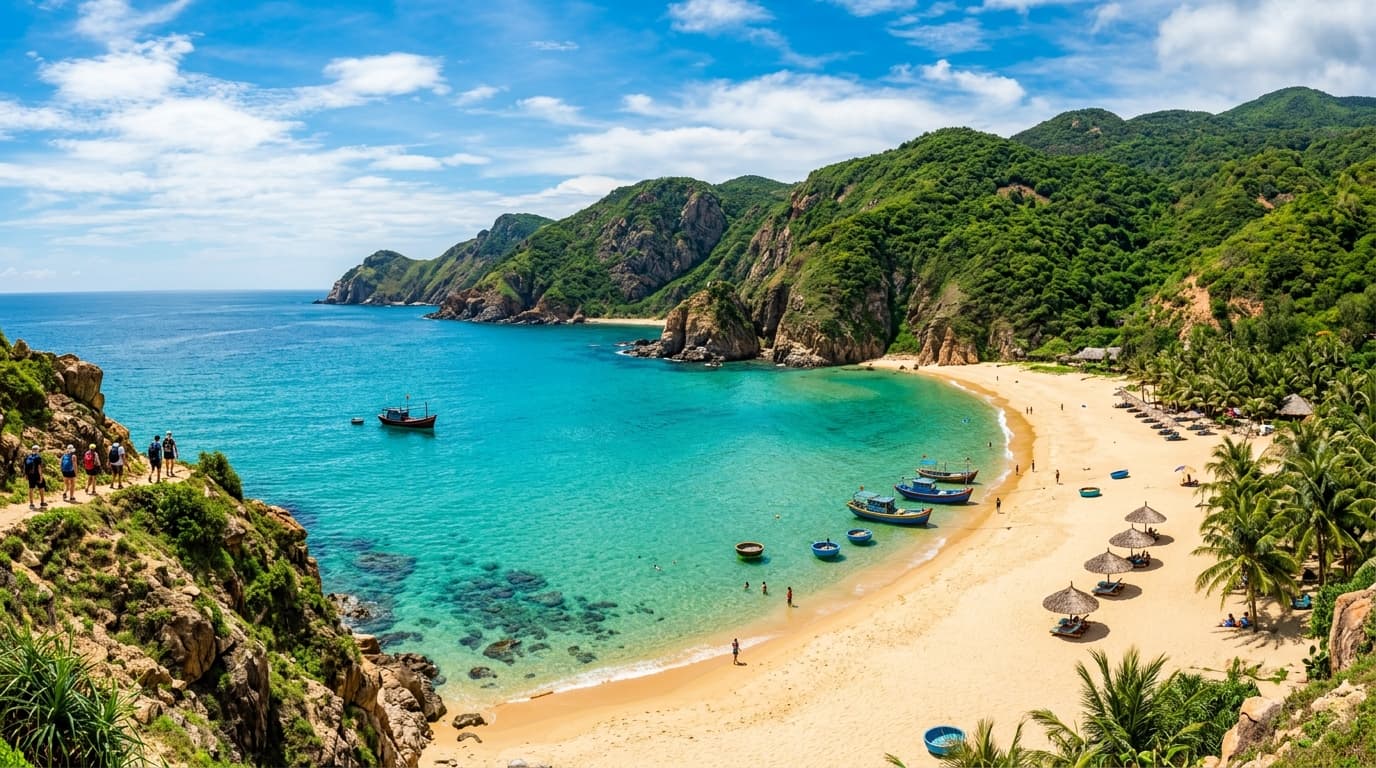
12 Best Beaches in Vietnam: From Secret Coves to Resort Shores
The 12 best beaches in Vietnam for 2026, including secret coves, resort beaches, and island escapes. Best season, how to get there, and what to expect.
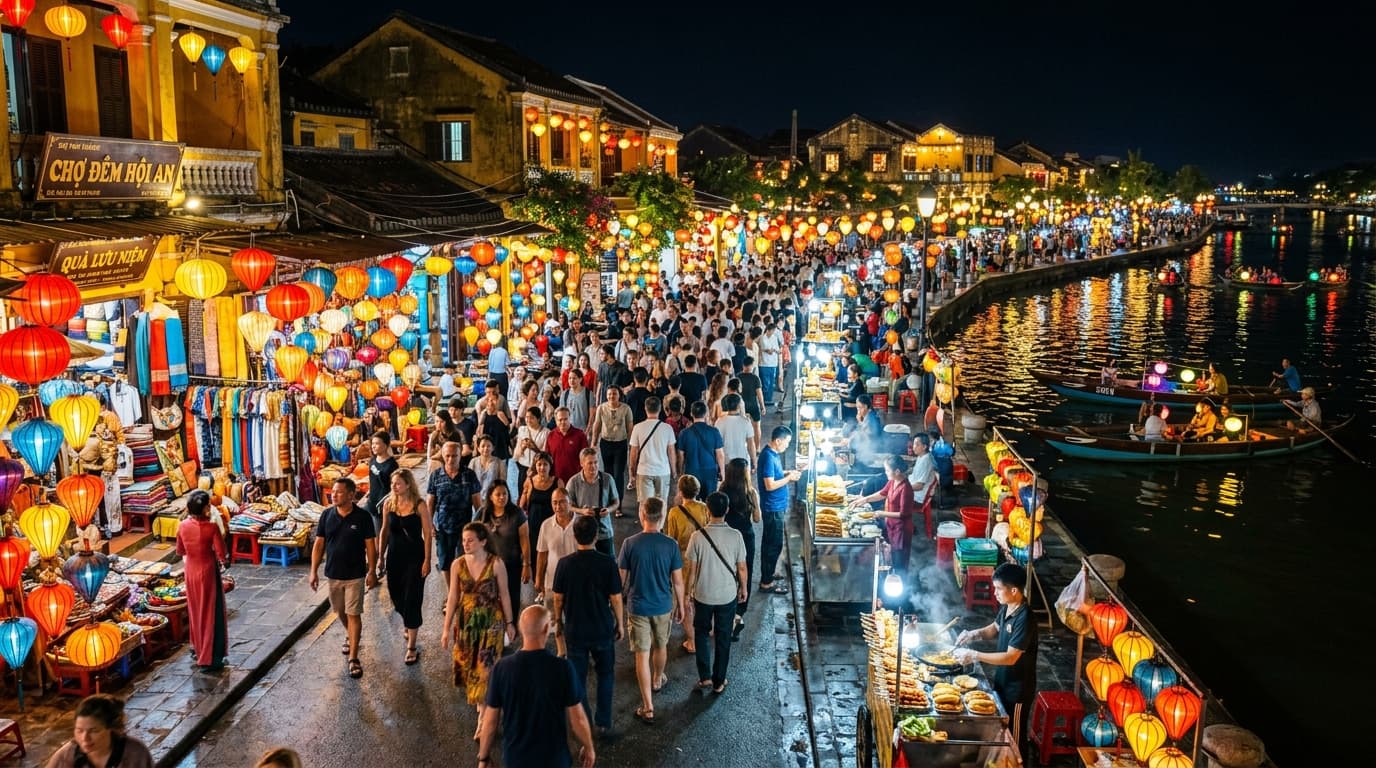
Best Night Markets in Vietnam: What to Eat, Buy, and Expect
The best night markets in Vietnam by city: opening hours, what to buy, what to eat, and how to haggle without getting ripped off.

Vietnam with Kids: Family-Friendly Itineraries and Tips
How to travel Vietnam with kids: age-appropriate activities, family-friendly hotels, health precautions, and honest itinerary advice for families with children of all ages.
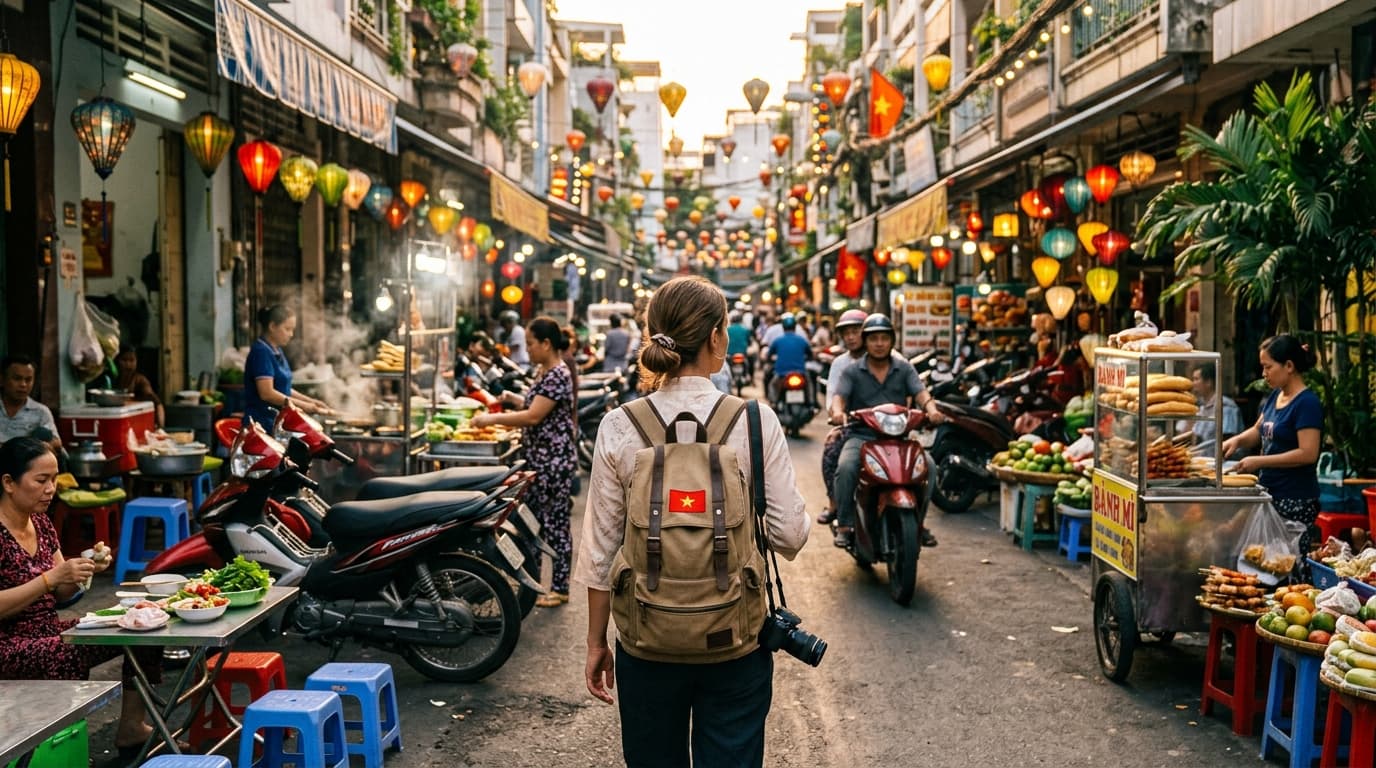
Free Things to Do in Ho Chi Minh City: Budget Travel Guide 2025
Explore Ho Chi Minh City without breaking the bank. Free attractions, budget eats, and insider tips for travelers on a tight budget.
Plan Your Vietnam Trip
Book hotels, transport, activities, and get connected with an eSIM
Some links are affiliate links. We may earn a commission at no extra cost to you.