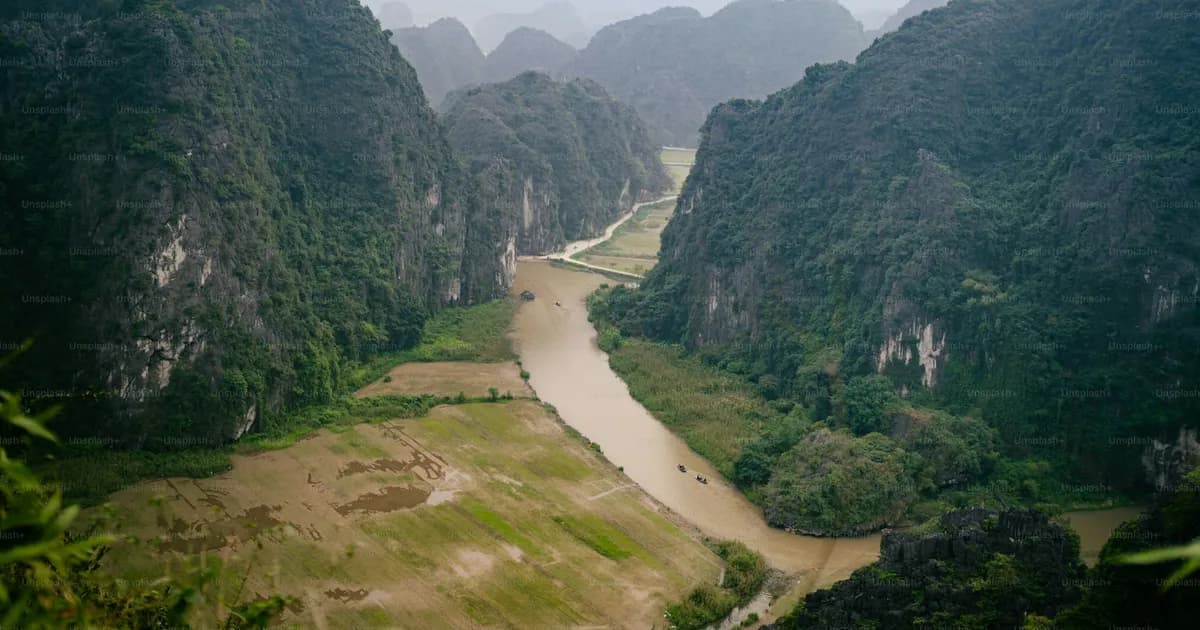
North vs South Vietnam: Which Region Should You Visit?
North vs South Vietnam: Which Region Should You Visit?
Vietnam spans over 1,600 km from top to bottom, and the difference between the north and south is not just geographic -- it runs through the food, the culture, the climate, and the personality of the people. Hanoi and Ho Chi Minh City feel like capitals of two different countries that happen to share a border. Understanding these differences is not just useful for planning -- it is essential for appreciating what makes each region extraordinary.
If you have two weeks, travel both. If you only have one, here is how to choose.
Climate: Four Seasons vs. Eternal Summer
This is the biggest practical difference and should influence when you visit as much as where.
Northern Vietnam
The north has four distinct seasons. Winters (December-February) are cool and grey, with temperatures in Hanoi dropping to 10-15°C and Sapa approaching freezing. Summers (June-August) are hot and humid with heavy rainfall. The sweet spots are October-November (cool, dry, golden rice terraces) and March-April (warming up, clear skies).
Southern Vietnam
The south is tropical year-round with two seasons: dry (December-April) and wet (May-November). Ho Chi Minh City sits at a steady 28-35°C regardless of month. The wet season brings dramatic afternoon downpours -- usually 30-60 minutes, then sunshine again. You can visit the south comfortably at any time of year.
Central Vietnam
The center follows its own pattern. The dry season runs February-August, while October-November brings serious typhoon risk with flooding that regularly submerges parts of Hoi An.
The takeaway: If you are visiting in December-February, the south is warm and dry while the north is cold and drizzly -- go south. If you are visiting in October-November, the north is spectacular while the center is risky -- go north. March-May is the only window where everywhere is reasonably pleasant.
Food Culture: Subtlety vs. Sweetness
Vietnamese food varies by region more than most visitors realize. If food is a priority (and in Vietnam, it should be), this comparison matters.
Northern Food
Northern cuisine is defined by restraint. Flavors are clean, broths are clear, and the seasoning lets the core ingredients speak. Pho in Hanoi uses a subtle beef broth with minimal garnishes -- no bean sprouts, no hoisin sauce. Bun cha (grilled pork with noodles) is the signature lunch. Dipping sauces are lighter. The northern palate values balance and understatement.
Signature dishes: Pho bo, bun cha, banh cuon (steamed rice rolls), bun dau mam tom (noodles with fermented shrimp paste), ca phe trung (egg coffee).
Southern Food
Southern food is sweeter, herbier, and more generous. Sugar finds its way into everything -- broths, sauces, marinades. Southern pho arrives with a mountain of bean sprouts, Thai basil, hoisin, and sriracha on the side. The herb plates at southern meals are enormous. Chinese and Khmer influences add coconut milk, more curries, and bolder flavors.
Signature dishes: Banh mi, com tam (broken rice), banh xeo (crispy crepes), hu tieu (southern noodle soup), che (sweet desserts).
Central Food
Often overlooked but arguably the most interesting: central Vietnamese food is the spiciest and most complex, influenced by royal Hue cuisine. Bun bo Hue (spicy beef noodle soup), mi quang (turmeric noodles), and cao lau (Hoi An noodles) are regional treasures.
Pro tip: If you consider yourself a serious food traveler, do not skip the center. Hue and Hoi An have the most distinctive and diverse regional food scenes. Read our full guide to the 15 best street foods in Vietnam.
Top Destinations by Region
Northern Highlights
- Hanoi: The cultural heart of Vietnam. Thousand-year-old temples, French colonial architecture, the best street food in the country, and a chaotic energy that grows on you fast. Allow 3 days minimum.
- Ha Long Bay: Over 1,600 limestone karsts rising from emerald waters. Cruise overnight for the full experience. Lan Ha Bay is a less crowded alternative.
- Sapa and the Northern Highlands: Terraced rice fields, ethnic minority communities (H'mong, Dao, Tay), and challenging treks. Best September-October when the rice terraces turn gold.
- Ninh Binh: Called "Ha Long Bay on land." Karst mountains, ancient temples, and boat rides through flooded caves. Peaceful, affordable, and underrated.
- Phong Nha-Ke Bang: Home to the world's largest cave (Son Doong) and dozens of others. A caving and adventure paradise.
Southern Highlights
- Ho Chi Minh City: Vietnam's commercial engine. Frenetic, modern, packed with history (War Remnants Museum, Cu Chi Tunnels, Reunification Palace) and incredible food. The nightlife and cafe culture outpace Hanoi.
- Mekong Delta: A water world of floating markets, fruit orchards, and river life. Can Tho is the gateway. Best experienced over 2-3 days, not a rushed day trip.
- Phu Quoc Island: White sand beaches, snorkeling, and sunset seafood. Vietnam's island paradise, though rapidly developing. Best December-March.
- Da Lat: The highland retreat. Cool weather, French colonial villas, excellent coffee, waterfalls, and a vibrant local market. A favorite of Vietnamese tourists.
- Con Dao Islands: Remote former prison islands now home to pristine beaches, sea turtles, and virtually no crowds. The anti-Phu Quoc.
Cost Comparison
The south is slightly more expensive than the north, though both are extremely affordable by international standards.
| Category | North (Hanoi area) | South (HCMC area) |
|---|---|---|
| Street food meal | 25,000-40,000 VND | 30,000-55,000 VND |
| Bia hoi (draft beer) | 5,000-10,000 VND | 10,000-15,000 VND |
| Hostel dorm bed | 100,000-180,000 VND | 130,000-220,000 VND |
| Grab (5 km ride) | 20,000-30,000 VND | 25,000-40,000 VND |
| Budget hotel (private) | 200,000-400,000 VND | 250,000-500,000 VND |
| Coffee (ca phe sua da) | 15,000-25,000 VND | 20,000-35,000 VND |
The difference: The north is roughly 15-25% cheaper across the board. Bia hoi (fresh draft beer) in Hanoi at 5,000 VND ($0.20) a glass is the cheapest beer in the world. Saigon's equivalent, bia hoi Saigon, costs about double -- still absurdly cheap.
Accommodation is where the gap matters most for budget travelers. A perfectly acceptable private room in a Hanoi mini-hotel runs 200,000 VND ($8); the same in HCMC's District 1 is closer to 350,000 VND ($14).
For a full budget breakdown, see our Vietnam on a budget guide.
Cultural Differences
Pace of Life
The north is slower, more contemplative. Hanoi's morning starts with people sitting on tiny stools drinking ca phe over a newspaper. Meals are savored. Conversations are indirect. The south moves faster. HCMC is a city of entrepreneurs and hustlers -- things happen quickly, deals are struck over lunch, and the motorbike traffic never fully stops.
Personality and Friendliness
Both regions are welcoming, but the style differs. Northerners are reserved initially but warm deeply once trust is built. There is a formality to interactions -- greetings, politeness, and hierarchy matter. Southerners are immediately open, direct, and casual. A shopkeeper in HCMC will chat with you like a friend within minutes. A shopkeeper in Hanoi might take a few visits to warm up.
Neither style is better. Northern reserve is not coldness, and southern openness is not superficiality. They are simply different expressions of Vietnamese hospitality.
Traditions and History
The north is more traditional and historically minded. Hanoi has been the cultural capital for over a thousand years. Confucian values, ancestor worship, and traditional festivals are more visibly observed. Temples and pagodas feel like active spiritual centers, not tourist attractions.
The south has been shaped by more recent history -- colonialism, the war, and the economic boom that followed doi moi (renovation). HCMC is forward-looking, cosmopolitan, and increasingly globalized. It is the city where young Vietnamese push boundaries in fashion, music, and business.
Which Region for Your Travel Style?
Choose the North If You Are...
- A culture and history lover: Hanoi's thousand-year history, the Imperial Citadel at Hue (technically central, but often paired with northern trips), Ninh Binh's ancient temples.
- An adventure seeker: Sapa trekking, Phong Nha caving, Ha Giang motorbike loop (the most spectacular road in Vietnam).
- A food purist: Northern cuisine rewards those who appreciate subtlety. Pho in Hanoi is a spiritual experience.
- On a tight budget: Everything is 15-25% cheaper.
Choose the South If You Are...
- A beach lover: Phu Quoc, Con Dao, Mui Ne, and the south-central coast have the best beaches.
- A nightlife enthusiast: HCMC's bar scene is the best in Vietnam, from Bui Vien backpacker bars to rooftop cocktails in District 2.
- Visiting in winter (December-February): The south is warm and dry while the north is cold and grey.
- A first-time Southeast Asia traveler: The south feels more immediately accessible and "easy" for newcomers.
Choose Central Vietnam If You Are...
- A food obsessive: Hue and Hoi An have the most distinctive regional cuisine.
- A photographer: The lanterns of Hoi An, the imperial tombs of Hue, the Hai Van Pass.
- Looking for charm: Hoi An's Ancient Town is simply one of the most beautiful places in Southeast Asia.
The Verdict
If you can, visit both. The contrast between north and south is one of the most rewarding parts of traveling Vietnam. A 2-week itinerary from Hanoi to Ho Chi Minh City lets you experience the full spectrum.
If you truly must choose one region:
-
One week, first-time visitor, general interests: The south. Fly into HCMC, spend 2-3 days exploring the city, day-trip to Cu Chi Tunnels and the Mekong Delta, then fly to Da Nang for Hoi An and beaches. It is the easiest and most varied week you can build.
-
One week, experienced traveler, deeper dive: The north. Fly into Hanoi, spend 3 days in the city, then Ha Long Bay (2 days) and Ninh Binh (2 days). The north rewards those who slow down and pay attention.
-
10 days: Add the center. Hanoi (3) → Hue (2) → Hoi An (2) → HCMC (3) covers the essential highlights with just one domestic flight (Da Nang to HCMC).
Whichever region you choose, Vietnam will exceed your expectations. The food will be better than you imagined, the people warmer than you expected, and the landscapes more dramatic than the photos suggested. The only real mistake is not coming back for the other half.
Ready to start planning? Read our first-time Vietnam guide for practical preparation tips, or dive straight into our 2-week itinerary.
Go2Vietnam Team
Exploring Vietnam since 2020 | 40+ provinces visited | Updated monthly
We are a team of travel writers and Vietnam enthusiasts who explore the country year-round. Our guides are based on first-hand experience, local knowledge, and verified official sources.
More about us →People Also Read
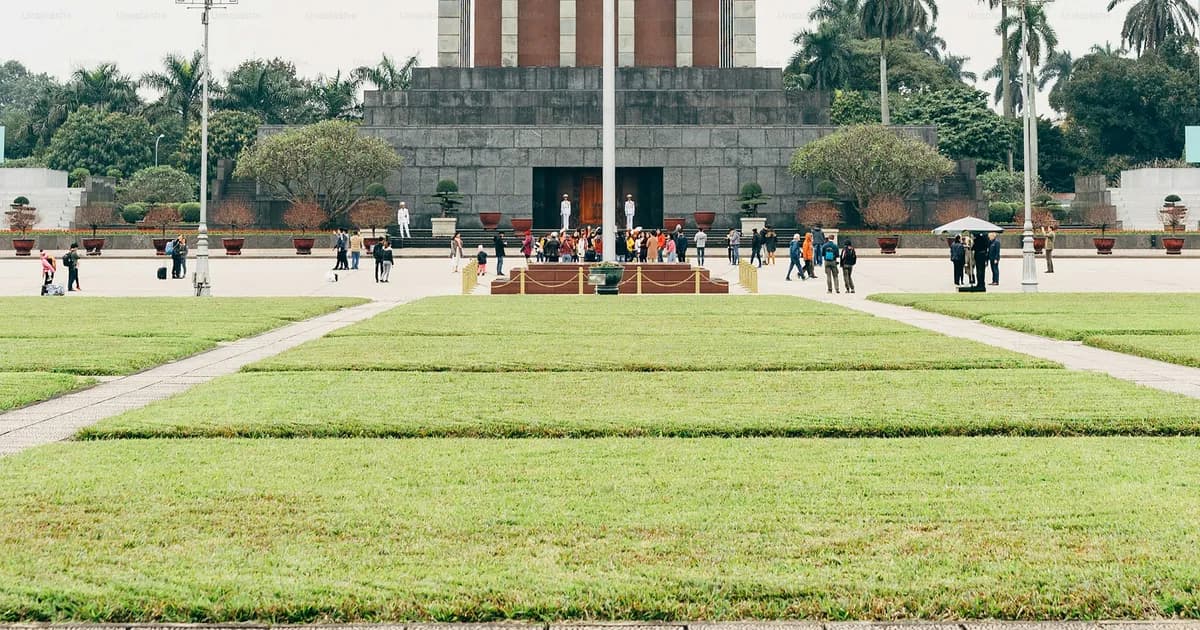
First Time in Vietnam: Everything You Need to Know (2025 Guide)
Planning your first trip to Vietnam? This comprehensive guide covers visas, budget, transport, safety, cultural etiquette, and everything else you need for a smooth and unforgettable journey.

The Perfect 2-Week Vietnam Itinerary: North to South
A detailed day-by-day itinerary for 14 days in Vietnam, from the chaos of Hanoi to the rivers of the Mekong Delta. Includes transport options, daily highlights, costs, and alternative routes.
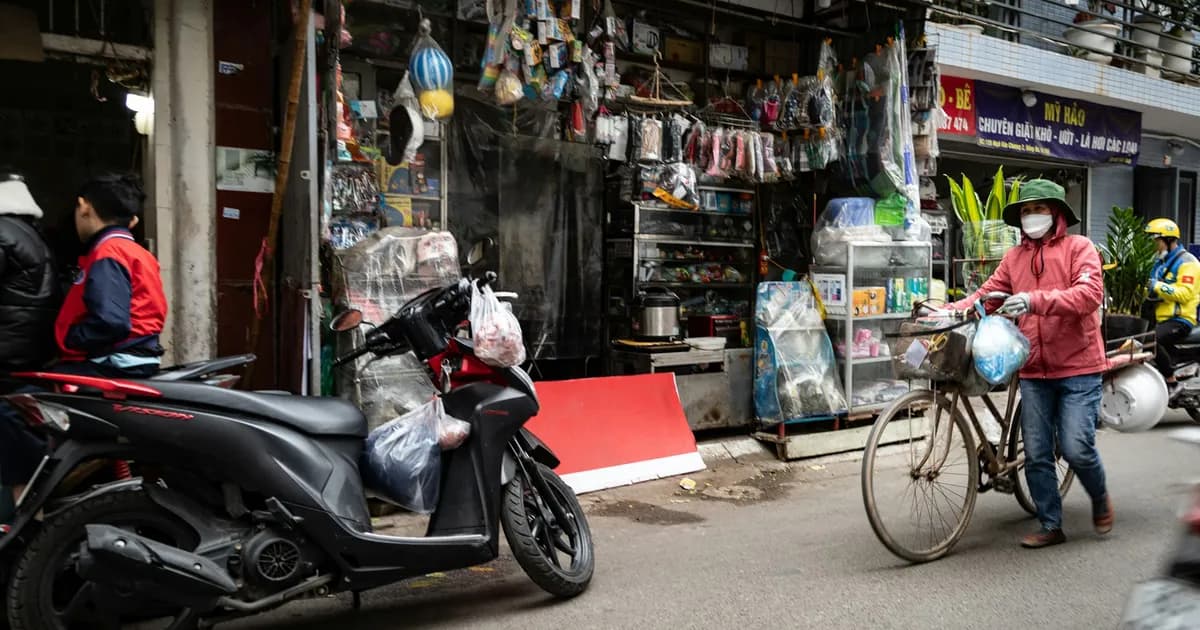
Vietnam on a Budget: How to Travel for Under $30/Day
Vietnam is one of the world's best budget travel destinations. Here's exactly how to eat, sleep, and explore for under $30 a day -- with real prices, local tips, and a detailed daily breakdown.
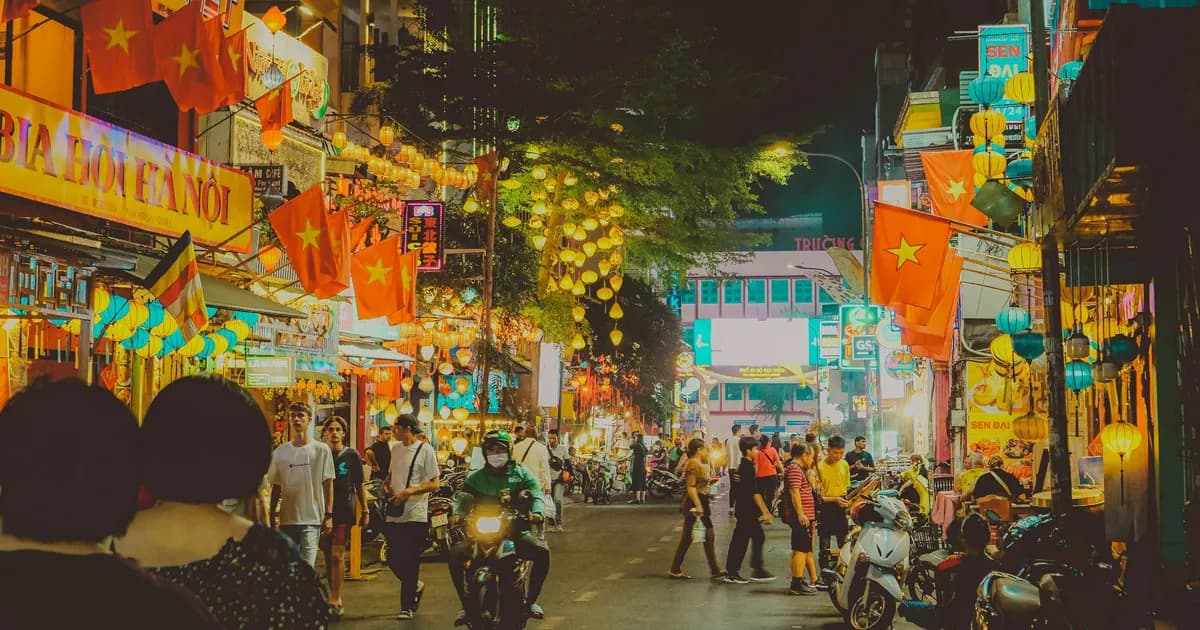
The 15 Best Street Foods in Vietnam (and Where to Find Them)
From pho at dawn to banh mi at midnight, Vietnam's street food scene is the best in the world. Here are the 15 dishes you absolutely must eat, with prices, descriptions, and where to find the best versions.
Plan Your Vietnam Trip
Book hotels, transport, activities, and get connected with an eSIM
Some links are affiliate links. We may earn a commission at no extra cost to you.