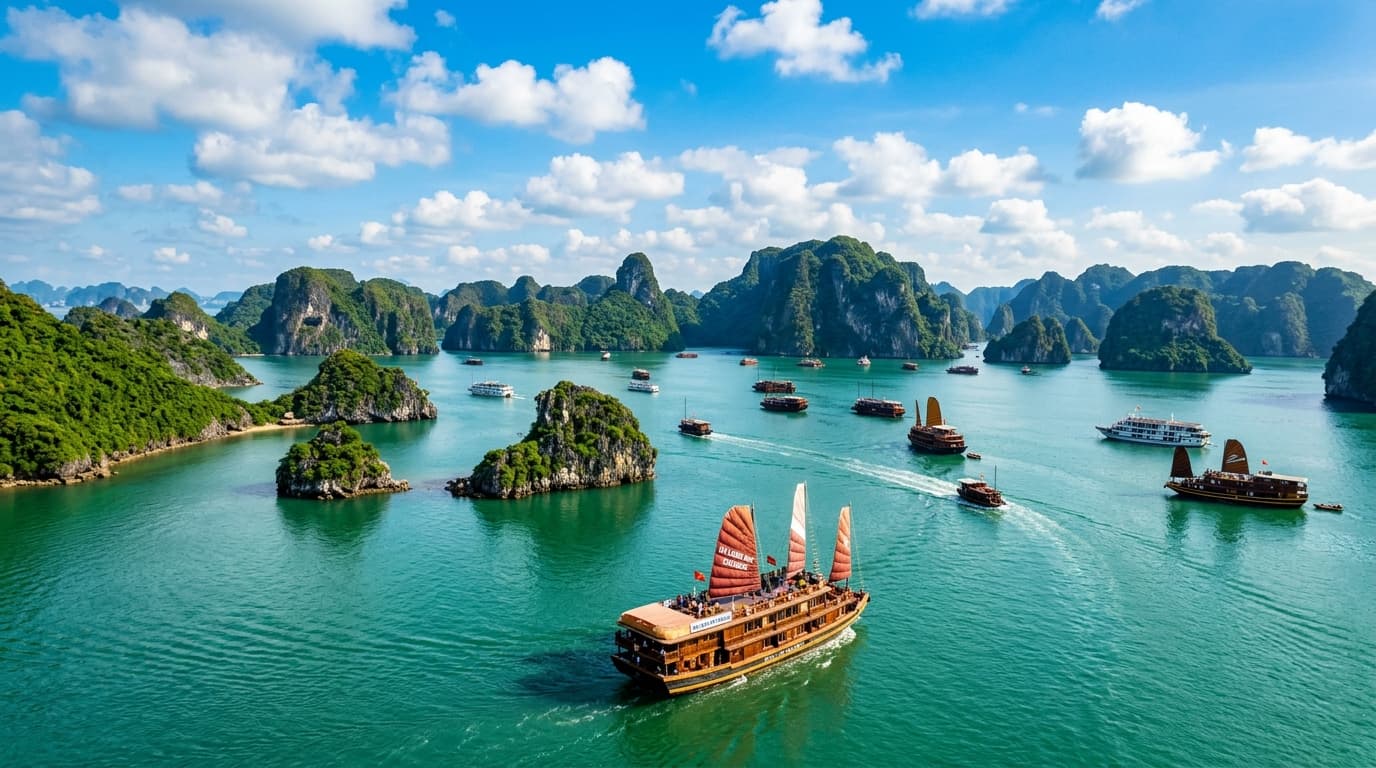
Ha Long Bay Complete Guide: Cruises, Caves & Best Time to Visit
Imagine waking up on a traditional wooden junk, surrounded by emerald waters and towering limestone cliffs draped in mist—this is Ha Long Bay, one of Southeast Asia's most iconic natural wonders. Located in Quang Ninh Province in northeastern Vietnam, this UNESCO World Heritage Site attracts hundreds of thousands of visitors annually, yet many arrive unprepared for what the experience actually entails.
Key Takeaways
| Question | Answer |
|---|---|
| What is the best time to visit? | October to April offers calm seas and clear skies; avoid May-September monsoon season |
| How much does it cost? | Budget cruises from 1,200,000–2,000,000 VND ($50–85 USD); luxury options 5,000,000+ VND ($210+ USD) per person |
| How do I get there? | 2.5–3 hour drive from Hanoi; book transport through your cruise operator |
| Is it safe? | Yes; well-established tourism infrastructure with professional operators and rescue services |
| What should I book in advance? | Cruises during peak season (Oct-Nov, Dec-Jan); caves can get crowded mid-day |
| How long should I stay? | 2-3 days minimum; overnight cruises offer better value and fewer crowds than day trips |
| Can I visit without a cruise? | Yes, but cruises are the primary way to experience the bay; day tours from Ha Long City are cheaper but less immersive |
1. Understanding Ha Long Bay: Geography & UNESCO Status
Ha Long Bay encompasses approximately 1,553 square kilometers of protected waters dotted with nearly 2,000 limestone islands and islets. The name translates to "descending dragon," referencing a local legend about a dragon that dove into the sea, creating the dramatic topography you see today. In 1994, UNESCO designated the bay as a World Heritage Site, recognizing its outstanding geological and geomorphological significance.
When we visited in November 2023, the sheer scale of the landscape struck us immediately—the limestone formations rise dramatically from the water, creating natural amphitheaters and hidden lagoons. The bay's unique karst landscape was formed over millions of years through limestone dissolution and erosion, resulting in caves, sinkholes, and floating villages that coexist in this delicate ecosystem.
The Geological Marvel
The limestone formations in Ha Long Bay are primarily composed of Paleozoic dolomite and limestone, with some areas reaching heights of 200 meters above sea level. These karsts support distinct ecosystems, including endemic plant and animal species found nowhere else on Earth. The bay's biodiversity extends underwater as well—coral reefs and seagrass beds provide habitat for numerous fish species and marine mammals.
Tourism Infrastructure & Accessibility
The main departure point is Ha Long City, a bustling port town approximately 160 kilometers northeast of Hanoi. The city has developed rapidly over the past two decades, with hundreds of cruise operators ranging from budget backpacker vessels to ultra-luxury junks. Most visitors arrive via organized tours from Hanoi, though independent travelers can arrange transport and book cruises directly at the harbor.
Book buses, trains, ferries, and transfers between Vietnamese cities easily online. Compare routes and prices.
Book Transport on 12Go → Scan me
2. Best Time to Visit: Seasonal Breakdown
The timing of your Ha Long Bay visit dramatically affects your experience. Vietnam's northeast experiences a subtropical climate with distinct seasonal patterns that directly impact sea conditions, visibility, and comfort levels.
October through April is unquestionably the best window. During these months, the northeast monsoon brings calm seas, clear skies, and temperatures ranging from 15–22°C (59–72°F). In our experience, November and December offer the most stable conditions—sunny days, minimal rain, and glass-like waters perfect for photography. January and February are cooler but still excellent, though occasional cold snaps can bring temperatures down to 10°C (50°F) at night.
The Peak Season Reality (October–November)
October and November see the highest visitor numbers, which means crowded caves, busy anchorages, and premium pricing. If you visit during these months, book your cruise at least 2–3 weeks in advance. The upside? The weather is nearly guaranteed to be perfect. The downside? You'll share Sung Sot Cave with hundreds of other tourists, and sunset views from the deck may be obstructed by other vessels.
The Shoulder & Low Seasons
May through September brings the southwest monsoon, characterized by heavy rainfall, rough seas, and reduced visibility. Water temperatures climb to 28–30°C (82–86°F), which sounds appealing until you experience the humidity and afternoon downpours that can last for hours. Many budget operators still run cruises during this period at discounted rates (sometimes 30–40% cheaper), but rough seas mean higher cancellation risks and uncomfortable sailing conditions. During our research in August, we observed several tours being cut short due to weather.
March and April represent a transition period—warmer than winter but before the full monsoon sets in. Prices are moderate, crowds are lighter, and weather is generally acceptable, though occasional rain showers occur.
Book your cruise 2-3 weeks ahead during October-November for the best weather and vessel selection. For budget travel, consider March-April or late February when prices drop 20-30% but conditions remain good.
3. Cruise Types & Operators: Finding Your Fit
The cruise market in Ha Long Bay is segmented into distinct categories, each catering to different budgets, comfort levels, and travel styles. Understanding these categories helps you avoid both overpriced mediocrity and genuinely unsafe operations.
Budget Cruises (1,200,000–2,500,000 VND / $50–105 USD per person)
Compare hotels, resorts, and guesthouses across Vietnam with free cancellation on most bookings.
Search Hotels on Booking.com → Scan me
Budget cruises typically accommodate 50–150 passengers on converted fishing boats or purpose-built steel vessels. These tours usually include basic accommodation (shared or private cabins), meals, and guided cave visits. The experience is utilitarian—you're not paying for luxury, but you're also not getting ripped off if you book with established operators.
Pros: Affordable, social atmosphere, genuine interaction with other backpackers, decent value for money Cons: Crowded cabins, basic amenities, thin walls, minimal privacy, sometimes rushed itineraries
Our team spoke with several budget cruise passengers in November, and the consensus was clear: the experience depends heavily on the specific operator and vessel condition. Some budget boats are well-maintained with friendly crews; others feel like floating dormitories with questionable plumbing.
Mid-Range Cruises (2,500,000–5,000,000 VND / $105–210 USD per person)
Mid-range vessels typically carry 30–80 passengers and offer private cabins with en-suite bathrooms, better dining, and more personalized service. These boats often feature sun decks, small libraries, and organized activities like tai chi classes or cooking demonstrations.
Pros: Better comfort without excessive cost, more spacious cabins, improved food quality, smaller passenger groups Cons: Still relatively crowded, service quality varies by operator, some vessels are aging
Luxury Cruises (5,000,000+ VND / $210+ USD per person)
Luxury operators run smaller vessels (20–40 passengers maximum) with high-end amenities: spacious suites, fine dining, spa services, and personalized itineraries. These cruises often include activities like kayaking, private cave tours, or visits to less-crowded islands.
Pros: Exceptional comfort, attentive service, exclusive experiences, smaller environmental footprint Cons: Expensive, may feel isolated from authentic local culture, less social atmosphere
| Cruise Type | Best For | Typical Cost (per person) | Passenger Capacity | Rating |
|---|---|---|---|---|
| Budget Backpacker Junk | Solo travelers, groups, budget-conscious | 1,200,000–2,000,000 VND ($50–85) | 50–150 | ⭐⭐⭐⭐ |
| Mid-Range Wooden Junk | Couples, small groups, comfort seekers | 2,500,000–4,000,000 VND ($105–170) | 30–80 | ⭐⭐⭐⭐⭐ |
| Luxury Boutique Cruise | High-end travelers, honeymooners | 5,000,000–10,000,000 VND ($210–425) | 15–40 | ⭐⭐⭐⭐⭐ |
| Day Tour (No Overnight) | Time-limited visitors, budget travelers | 800,000–1,500,000 VND ($34–63) | 30–100 | ⭐⭐⭐ |
Skip the hassle — book Vietnam day trips, cooking classes, and experiences in advance with instant confirmation.
Browse Activities on Klook → Scan me
4. Essential Caves & Island Highlights
Ha Long Bay's most famous attractions are its caves and islands, each with distinct characteristics and varying levels of accessibility. Understanding what each offers helps you prioritize based on your interests and fitness level.
Sung Sot Cave (Surprise Cave)
Sung Sot is the bay's most visited cave and for good reason—it's spectacular. Located on Bo Hon Island, this massive cavern features two chambers with stalactites and stalagmites illuminated by colored lighting. The cave entrance is dramatic, and the main chamber is large enough to accommodate hundreds of visitors without feeling claustrophobic.
What to expect: A 20-minute walk up 200+ steps to reach the entrance; the cave is well-maintained with handrails and electric lighting. Most cruises include this cave in their itinerary. Visit early in the day (before 10 AM) to avoid the worst crowds. The cave is genuinely impressive, but the sheer number of visitors can diminish the sense of discovery. When we visited in November, we counted approximately 400 people inside during our 30-minute tour.
Thien Cung Cave (Heavenly Palace Cave)
Located on Dau Go Island, Thien Cung is less crowded than Sung Sot and arguably more atmospheric. The cave features three chambers with intricate formations and a small underground lake. The entrance is more intimate, and the lighting is more subtle than Sung Sot's colored displays.
What to expect: Fewer crowds, more natural ambiance, similar difficulty level to Sung Sot. This cave is often included on 2-3 day cruises but skipped on day tours due to time constraints. The formations here feel more pristine because fewer visitors means less wear and tear.
Dau Go Island & Titov Island
Beyond caves, several islands offer distinct experiences:
-
Titov Island: Features a viewpoint accessible via a steep 400-step climb. The panoramic views of the bay are worth the effort, and the island includes a small beach where some cruises offer swimming time. The climb takes 20–30 minutes but rewards you with photo opportunities unavailable from the water.
-
Dau Go Island: Home to Thien Cung Cave and a historical museum dedicated to the 1288 Battle of Bach Dang River. The island is less touristy than Titov and offers a quieter exploration experience.
Floating Villages & Local Life
Several floating villages exist within Ha Long Bay, where ethnic minorities (primarily Tay and Kinh people) live in boats and on floating platforms. Some cruises include village visits, though these experiences are increasingly commercialized. Visitors can observe traditional fishing practices, visit pearl farms, or enjoy meals prepared by villagers.
Be aware: Some floating village tours feel exploitative—you're essentially touring people's homes like a zoo. Reputable operators ensure visits are respectful and that a portion of fees benefits the community. Ask your cruise operator specifically how village visits are structured before booking.
5. Activities Beyond Cave Tours: Kayaking, Swimming & More
While cave exploration dominates Ha Long Bay itineraries, several other activities enhance the experience and provide perspective on the bay's natural and cultural dimensions.
Kayaking Through Limestone Passages
Kayaking allows you to navigate narrow channels between karsts, explore hidden lagoons, and access areas inaccessible to larger vessels. Most mid-range and luxury cruises include kayaking; budget cruises may charge an additional fee (typically 300,000–500,000 VND / $13–21 USD).
Pros: Intimate connection with the landscape, opportunity to spot wildlife (monkeys, birds, fish), peaceful exploration Cons: Weather-dependent, physically demanding, can be crowded if multiple cruises kayak simultaneously
During our November visit, we kayaked through Luon Cave, a sea cave with a freshwater lagoon inside—the experience felt like paddling through a hidden world. The cave opens to a lagoon surrounded by 100-meter limestone walls, and the silence was profound.
Swimming & Beach Time
Several islands have small beaches where cruises stop for swimming. Water temperatures range from 15°C (59°F) in winter to 28°C (82°F) in summer. The water is generally safe, though visibility is limited due to sediment.
Pro Tip: Bring reef shoes or water sandals—the seafloor can be rocky and sharp.
Tai Chi & Sunrise Sessions
Many mid-range and luxury cruises offer optional tai chi classes on deck at sunrise. These sessions are typically led by crew members and are beginner-friendly. The combination of tai chi, fresh air, and the bay's serene morning landscape creates a meditative experience.
Cooking Classes & Cultural Activities
Some cruises offer onboard cooking demonstrations where crew members prepare traditional Vietnamese dishes. Luxury operators sometimes include more extensive cooking classes where passengers participate in meal preparation.
6. Practical Logistics: Getting There & Booking
Understanding the mechanics of reaching Ha Long Bay and booking your cruise prevents common mistakes and ensures a smoother experience.
Transportation from Hanoi
Skip the hassle — book Vietnam day trips, cooking classes, and experiences in advance with instant confirmation.
Browse Activities on Klook →
Scan me
The most common route is Hanoi to Ha Long City (approximately 160 kilometers). Most cruise packages include round-trip transport from Hanoi, typically departing early morning (6–7 AM) and returning in the late afternoon. The drive takes 2.5–3 hours each way via the coastal highway.
What to expect: Minibus or coach transport, stops at a tourist shop (usually for bathroom breaks and souvenir purchases—not mandatory), arrival at the harbor around 10–11 AM. Return trips depart the harbor around 4–5 PM.
Alternative: Rent a motorbike or car and drive independently, though this requires confidence navigating Vietnamese roads and familiarity with the harbor area.
Booking Your Cruise: Direct vs. Agencies
Direct booking involves contacting cruise operators in Ha Long City directly. This can be cheaper (operators avoid agency commissions) but requires more research and communication. Many operators have basic websites or Facebook pages; some operate entirely through word-of-mouth and walk-in bookings at the harbor.
Agency booking through travel agencies in Hanoi or online platforms is more convenient and includes customer support, though you'll pay a markup (typically 10–20%). Reputable agencies vet operators and handle logistics, reducing your risk of booking a substandard vessel.
Our recommendation: For first-time visitors, book through a reputable agency or established online platform. The convenience and peace of mind justify the modest markup. For repeat visitors or those comfortable with uncertainty, direct booking at the harbor can yield better prices.
What to Bring & Prepare
- Weather-appropriate clothing: Layers for cooler mornings/evenings; light clothes for daytime
- Sun protection: High-SPF sunscreen, hat, sunglasses (reflection off water intensifies UV exposure)
- Medications: Motion sickness medication if prone to seasickness; the bay is usually calm, but rough days occur
- Cash: While most cruises accept cards, having Vietnamese dong (VND) is useful for tips and purchases at villages
- Comfortable shoes: For cave walking and island exploration
- Waterproof bag: For kayaking and beach activities
Compare hotels, resorts, and guesthouses across Vietnam with free cancellation on most bookings.
Search Hotels on Booking.com →
Scan me
7. Safety, Environmental Concerns & Responsible Tourism
Ha Long Bay's popularity has created both safety and environmental challenges worth understanding before you visit.
Safety Considerations
Maritime safety: Professional cruise operators maintain vessels to international standards and carry safety equipment. However, standards vary—budget operators sometimes cut corners on maintenance. Check vessel condition before boarding; if something looks unsafe, request a different boat or cancel.
Overcrowding: The bay receives over 1 million visitors annually, creating congestion in popular caves and anchorages. This isn't a personal safety issue but affects experience quality. Smaller cruises and off-season visits mitigate this.
Petty theft: Theft from cabins is rare but occurs. Use cabin safes for valuables; don't leave items unattended on deck.
Did You Know? Ha Long Bay was designated a UNESCO World Heritage Site in 1994 and added to the New7Wonders of Nature list in 2011, making it one of only a handful of sites recognized by both organizations.
Source: UNESCO World Heritage Centre
Environmental Impact & Responsible Choices
Tourism has stressed Ha Long Bay's ecosystem. Increased boat traffic, anchor damage to seagrass beds, and pollution from cruise vessels threaten marine life and coral reefs. Several initiatives aim to mitigate these impacts:
- Green cruises: Some operators use solar panels, reduce fuel consumption, and implement waste management systems
- Designated anchorages: The bay has established mooring fields to prevent anchor damage
- Visitor limits: UNESCO recommends limiting daily visitors, though enforcement remains inconsistent
How you can help:
- Choose operators with environmental certifications
- Avoid touching cave formations (oils from skin damage delicate stalactites)
- Don't feed fish or disturb wildlife
- Minimize single-use plastics
- Support community-based tourism initiatives
8. Comparing Day Tours vs. Overnight Cruises
The choice between a day tour and an overnight cruise significantly impacts your experience and value.
Day Tours (6–8 hours, 800,000–1,500,000 VND / $34–63 USD)
Day tours depart Ha Long City in the morning, visit 1–2 caves and an island, and return by evening. They're ideal for time-limited visitors or those on tight budgets.
Pros: Affordable, minimal time commitment, no overnight accommodation needed Cons: Rushed itinerary, limited cave exploration, crowded (most day tours carry 50+ passengers), no sunrise/sunset experience, exhausting travel from Hanoi
Honest assessment: Day tours feel like checking a box rather than experiencing Ha Long Bay. You see the highlights but miss the bay's rhythm and tranquility. If you have only one day, a day tour is better than nothing, but overnight cruises offer dramatically better value.
Overnight Cruises (2–3 days, 1,200,000–5,000,000+ VND / $50–210+ USD)
Overnight cruises allow you to experience the bay during multiple daylight periods, witness sunrise/sunset, and explore less-crowded areas. Most include accommodation, meals, and multiple activities.
Pros: Immersive experience, better value per hour, fewer crowds on less-popular islands, sunrise/sunset views, time to relax and absorb the landscape Cons: More expensive upfront, requires overnight accommodation, longer time commitment
Our verdict: A 2-day/1-night cruise represents the sweet spot—long enough to feel immersed without excessive time away from other Vietnam destinations. Three-day cruises are excellent if you have the time and budget.
9. Food, Dining & Culinary Experiences
Cruise dining varies dramatically by operator, but most include meals as part of the package. Understanding what to expect prevents disappointment.
Budget Cruise Dining
Compare car rental prices across Vietnam. Pick up at airports or city locations with flexible cancellation.
Compare Car Rentals →
Scan me
Budget cruises typically serve simple Vietnamese dishes—pho, rice, grilled fish, vegetables. Meals are functional rather than memorable, though usually adequate. Dietary restrictions (vegetarian, vegan, allergies) should be communicated in advance, though options may be limited.
Mid-Range & Luxury Dining
Mid-range cruises offer more variety and better-quality ingredients. Meals often feature fresh seafood, local specialties, and sometimes cooking demonstrations. Luxury cruises employ professional chefs and offer multi-course meals with wine pairings.
Local Specialties to Try
If your cruise includes village visits or meals prepared by locals, try:
- Fresh grilled squid: A Ha Long Bay specialty, often prepared with garlic and lime
- Crab and fish from local catches: Prepared simply to highlight freshness
- Seaweed and sea vegetables: Foraged locally and prepared in various ways
Pro Tip: Bring snacks if you're particular about food. Some budget cruises have limited variety, and you may want options between meals.
10. Post-Cruise: Extending Your Northeast Vietnam Experience
Ha Long Bay is often a standalone destination, but the surrounding region offers compelling additions to your itinerary.
Cat Ba Island
Located at the southern entrance to Ha Long Bay, Cat Ba Island is a larger, more developed island with beaches, hiking trails, and a small town. Many cruises visit Cat Ba as part of their itinerary, but independent exploration is also possible. The island offers rock climbing, kayaking, and hiking opportunities beyond standard cruise activities.
Bai Tu Long Bay
Adjacent to Ha Long Bay, Bai Tu Long Bay is less developed and less crowded. Some operators offer cruises here as an alternative or extension to Ha Long Bay proper. The experience is similar but with fewer tourists and a more authentic feel.
Ha Long City & Surrounding Towns
Ha Long City itself has limited tourist appeal beyond the cruise departure point, but nearby towns like Cam Pha offer glimpses of local Vietnamese life away from tourism infrastructure. Consider spending an extra night in the area if you want to explore beyond the bay.
Onward to Sapa or Hanoi
Most visitors combine Ha Long Bay with other North Vietnam destinations. A typical itinerary might be: Hanoi (2–3 days) → Ha Long Bay (2–3 days) → Sapa (2–3 days). This allows you to experience the region's diversity—urban culture, natural wonders, and mountain landscapes.
Search and compare flights to Hanoi, Ho Chi Minh City, Da Nang and Phu Quoc at the best prices.
Search Flights on Trip.com →Frequently Asked Questions
What's the difference between a junk and a cruise ship?
Traditional wooden junks are designed to resemble ancient Chinese vessels and carry fewer passengers (typically 20–100). Modern "junks" are often steel boats styled to look traditional. Actual wooden junks are rare; most are fiberglass or steel with wooden elements. The distinction matters less than vessel condition and operator reputation.
Is Ha Long Bay safe for swimming?
Yes, generally safe. Water quality varies by location and season; avoid swimming near industrial areas or after heavy rain. Wear reef shoes to protect against sharp rocks. Winter water temperatures (15–18°C / 59–64°F) are cold; summer temperatures reach 28–30°C (82–86°F).
Can I visit Ha Long Bay independently without a cruise?
Technically yes, but it's impractical. The bay is protected, and independent boat access is restricted. Day tours from Ha Long City are the only alternative to cruises, and they're less immersive and often more expensive per hour than overnight cruises.
How many caves can I visit on a typical cruise?
Most 2-day cruises visit 2–3 caves. Day tours typically visit 1–2. Luxury cruises may visit fewer caves but spend more time at each, allowing deeper exploration.
What's included in cruise prices?
Standard inclusions: accommodation, meals, cave entrance fees, and basic activities. Exclusions typically include: alcoholic beverages, optional activities (kayaking, cooking classes), tips, and transportation from Hanoi (though many packages include this). Always clarify what's included before booking.
Is tipping expected?
Yes, tipping is customary in Vietnam. For cruises, 50,000–100,000 VND ($2–4 USD) per person per day for crew is standard. Tip in cash directly to crew members.
What if the weather is bad?
Cruises operate in most weather conditions, but rough seas may cause discomfort. If conditions are severe, operators may modify itineraries or offer refunds/rescheduling. Travel insurance that covers weather-related cancellations is recommended.
Conclusion
Ha Long Bay is Vietnam's most iconic natural attraction for good reason—the limestone landscape is genuinely spectacular, and the experience of floating among these karsts at sunrise is unforgettable. However, the bay's popularity means you need to approach your visit strategically to avoid crowds and ensure quality.
Our recommendations: Book a 2-day/1-night mid-range cruise during October–November or March–April for the best balance of weather, crowds, and value. Choose an operator with environmental credentials and positive recent reviews. Arrive early for cave visits to avoid peak crowds. Consider extending your trip to nearby Cat Ba Island or Sapa to round out your North Vietnam experience.
For more planning guidance, explore our complete Vietnam travel guide or check current Vietnam weather patterns to finalize your dates. Safe travels!
Bronnen & Referenties
Dit artikel is gebaseerd op eigen ervaring en geverifieerd met de volgende officiële bronnen:

Go2Vietnam Team
Vietnam verkennen sinds 2020 | 40+ provincies bezocht | Maandelijks bijgewerkt
Wij zijn een team van reisschrijvers en Vietnam-liefhebbers die het land het hele jaar door verkennen. Onze gidsen zijn gebaseerd op eigen ervaring, lokale kennis en geverifieerde officiële bronnen.
Meer over ons →Anderen lezen ook
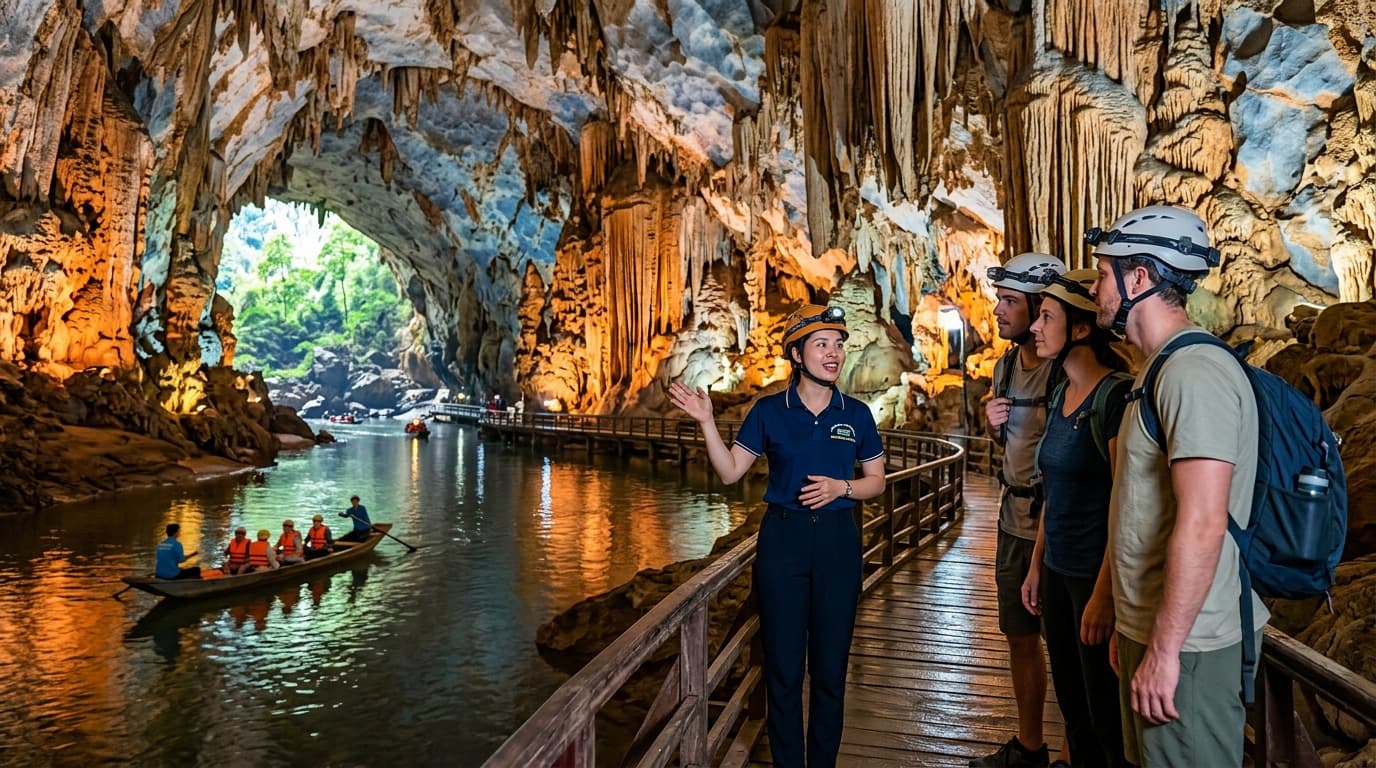
Phong Nha Caves Guide: Son Doong, Paradise Cave & More
Complete guide to Phong Nha Caves including Son Doong, Paradise Cave & more. Prices, operators, booking tips & honest reviews.
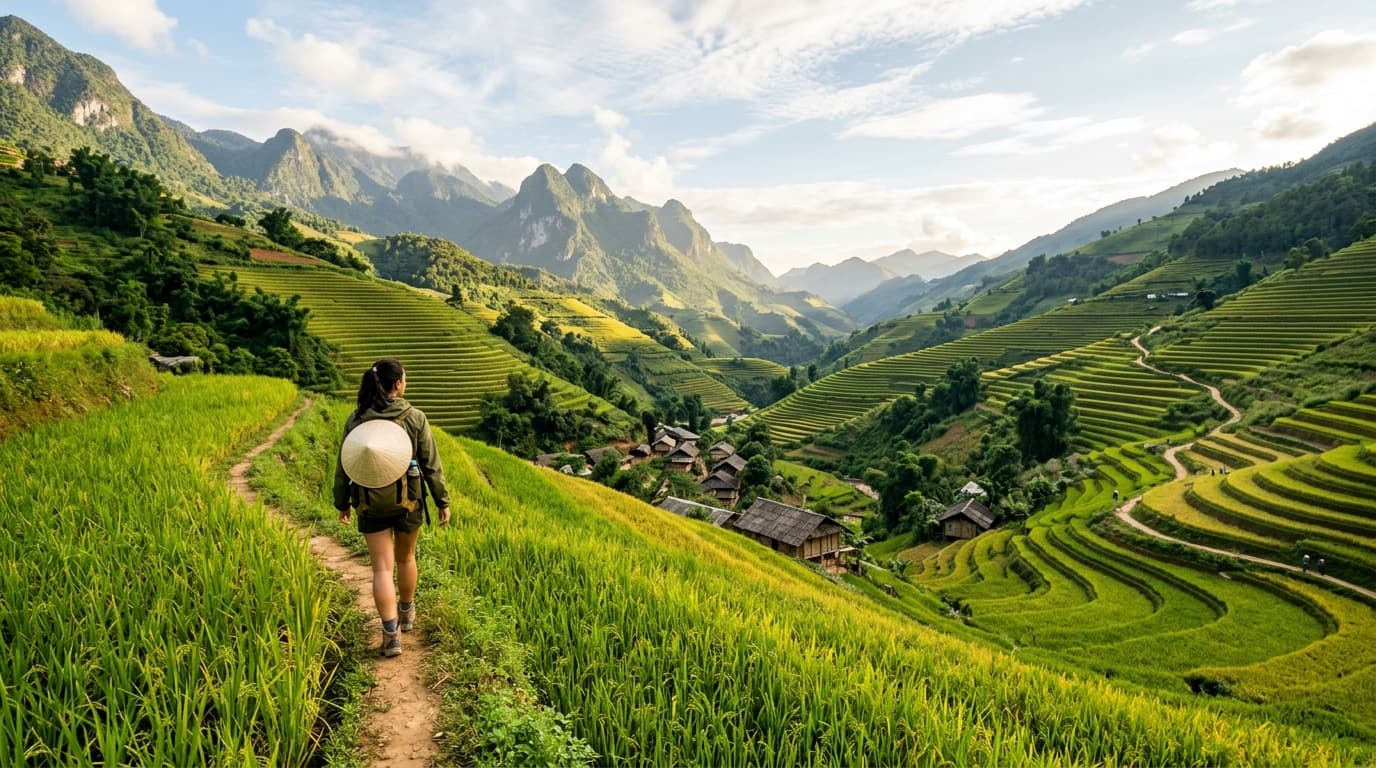
Trekking in Sa Pa: Which Route Is Best for You?
Compare Sa Pa trekking routes by difficulty, cost & experience. Find your perfect trek from easy day hikes to challenging multi-day adventures.

Cu Chi Tunnels from HCMC: History, Tours & Tips
Complete guide to Cu Chi Tunnels from HCMC: history, tour operators, prices, and insider tips for visiting Vietnam's most iconic war site.

Sa Pa Trekking Guide: Routes, Homestays & Best Season
Complete Sa Pa trekking guide with routes, homestay options, seasonal tips & honest operator comparisons. Trek Vietnam's misty mountains like a local.
Plan Your Vietnam Trip
Book hotels, transport, activities, and get connected with an eSIM
Some links are affiliate links. We may earn a commission at no extra cost to you.