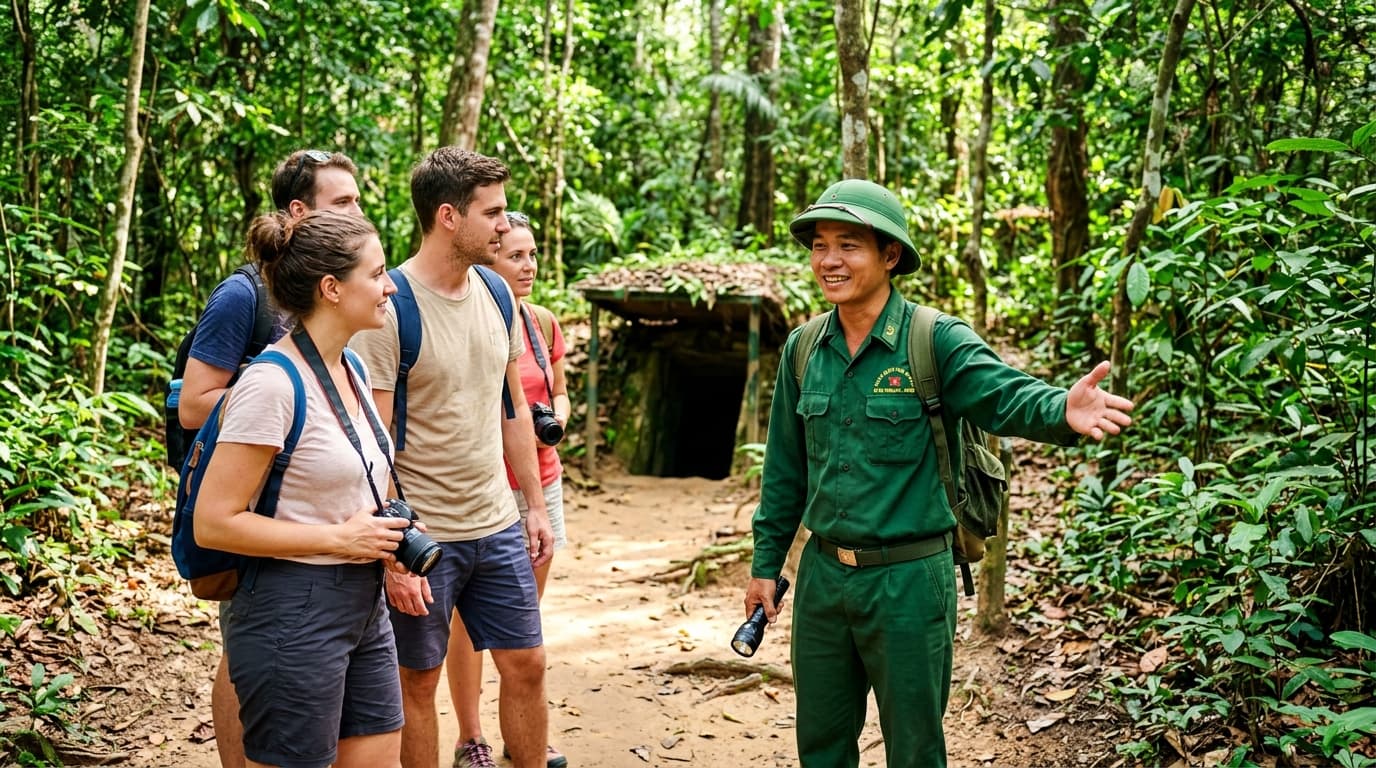
Cu Chi Tunnels from HCMC: History, Tours & Tips
The Cu Chi Tunnels stretch beneath the red earth of southern Vietnam like a subterranean city—a sprawling network of over 200 kilometers of underground passages that once sheltered Viet Cong fighters during the American War. When we first descended into the narrow, humid tunnels outside Ho Chi Minh City, we understood immediately why this site has become one of Vietnam's most visited historical attractions. It's not just a tourist destination; it's a visceral encounter with Vietnam's resilience and ingenuity during one of its darkest chapters.
This comprehensive guide draws on our years exploring South Vietnam and living in HCMC. We'll walk you through the history, compare tour operators honestly, break down costs, and share practical tips to make your visit meaningful rather than just another box ticked on a travel itinerary.
Key Takeaways
| Question | Answer |
|---|---|
| What is the best time to visit? | November to January (cool, dry weather). Avoid May–September (hot, humid, rainy). |
| How much does it cost? | Tours range from 800,000–2,500,000 VND ($32–$100 USD) depending on group size and inclusions. |
| How do I get there? | 40 km northwest of HCMC; 1–1.5 hours by car. Organized tours include transport. |
| Is it safe? | Yes. The tunnels are reinforced and monitored. Claustrophobic visitors should inform guides beforehand. |
| What should I book in advance? | Book tours 1–2 days ahead, especially during peak season (Nov–Feb). |
| What's included in tours? | Most include transport, guide, tunnel access, and lunch. Some add war museum visits or shooting ranges. |
| How long does it take? | Half-day tours (4–5 hours) are standard; full-day options (7–8 hours) include additional sites. |
1. The History Behind the Tunnels
The Cu Chi Tunnels were not built overnight—they evolved over decades, beginning in the 1940s during the French colonial period and expanding dramatically during the American War (1955–1975). What started as simple underground shelters became an engineering marvel: a network of living quarters, hospitals, ammunition factories, and command centers hidden beneath the jungle floor.
During the war, the Viet Cong used these tunnels to launch surprise attacks on American and South Vietnamese forces, then vanish underground. The tunnels became legendary in military history—so much so that American soldiers nicknamed the area the "Iron Triangle." When we visited, our guide explained how fighters would spend weeks underground, emerging only to conduct operations. The tunnels were equipped with ventilation shafts disguised as termite mounds, booby traps designed to maim rather than kill (to conserve ammunition), and even underground kitchens where smoke was filtered through multiple chambers to avoid detection.
The Engineering Marvel
The tunnel system wasn't built with modern equipment. Fighters used hand tools, bicycles, and sheer determination to carve out passages through laterite soil. The main tunnels were typically 0.8 meters wide and 1.5 meters tall—deliberately cramped to prevent soldiers in heavy gear from moving easily. Side chambers branched off for sleeping, storage, and medical care. The ingenuity is staggering: booby traps made from sharpened bamboo, punji stick pits covered with leaves, and hidden entrances that opened directly into foxholes.
Did You Know? The Cu Chi Tunnels system stretched over 200 kilometers in total, with major sections near the villages of Ben Dinh and Ben Duoc. Only a small portion is accessible to tourists today.
Why Cu Chi Mattered
Cu Chi was strategically vital because it sat on the edge of the Saigon River, close enough to Ho Chi Minh City (then Saigon) to launch operations but far enough to remain hidden. The American military dropped more tonnage of bombs on Cu Chi than was dropped on Japan during World War II—yet the tunnels survived. This resilience became a symbol of Vietnamese determination and is why the site is treated with such reverence today.
2. Two Main Tunnel Sites: Ben Dinh vs. Ben Duoc
When booking a tour from HCMC, you'll encounter two primary tunnel sites: Ben Dinh and Ben Duoc. Both are authentic, but they offer different experiences. Understanding the difference helps you choose what resonates with your interests.
Ben Dinh Tunnels
Ben Dinh is the more developed and heavily visited site. It's closer to HCMC (about 40 km), making it the default choice for most tour operators. The tunnels here have been widened and reinforced for tourist safety, and there's a museum, souvenir shop, and restaurant on-site. When we visited Ben Dinh during peak season, we encountered dozens of other tour groups—which can feel crowded but also means excellent infrastructure.
Pros of Ben Dinh:
- Closest to HCMC: Shortest travel time (1–1.5 hours)
- Most developed facilities: Museum, restaurant, bathrooms
- Widened tunnels: Less claustrophobic than original passages
- More tour options: Most operators include this site
Cons of Ben Dinh:
- Crowded: Peak times feel touristy
- Less authentic: Tunnels have been enlarged and reinforced
- Higher prices: Premium location attracts higher tour costs
Ben Duoc Tunnels
Ben Duoc is further out (about 50 km from HCMC) and less frequented by tour groups. The tunnels here are closer to their original dimensions—narrower, tighter, more claustrophobic—which makes for a more immersive (and challenging) experience. There's also a temple dedicated to those who died in the tunnels, which adds spiritual weight to the visit.
Pros of Ben Duoc:
- More authentic: Original tunnel dimensions preserved
- Fewer crowds: More intimate experience
- Spiritual significance: On-site temple honors fallen fighters
- Better for adventurous travelers: Tighter spaces, more challenge
Cons of Ben Duoc:
- Further from HCMC: Longer travel time (1.5–2 hours)
- Fewer facilities: Limited restaurants and shops
- Fewer tour options: Fewer operators include this site
- More physically demanding: Narrow passages, more climbing
| Site | Best For | Distance from HCMC | Crowd Level | Authenticity |
|---|---|---|---|---|
| Ben Dinh | First-time visitors, families, comfort-focused | 40 km | High | Modified |
| Ben Duoc | History enthusiasts, adventurous travelers, solo visitors | 50 km | Low | High |
3. Tour Operators & Pricing Breakdown
We've researched and compared multiple tour operators serving HCMC. Prices and inclusions vary significantly, so it's worth understanding what you're paying for.
Budget Tours (800,000–1,200,000 VND / $32–$48 USD)
Budget operators typically offer half-day tours with basic inclusions: transport, guide, tunnel access, and lunch. These tours often depart from central HCMC in the early morning (6–7 AM) and return by early afternoon. When we took a budget tour with a smaller operator, the guide was knowledgeable but spoke limited English, and the group size was 15–20 people. It felt rushed, but the core experience—walking through the tunnels—was intact.
What's included:
- Hotel pickup/drop-off
- Transport to tunnels
- English-speaking guide
- Tunnel access (1–2 hours underground)
- Lunch (usually rice, vegetables, soup)
What's NOT included:
- War museum entry
- Shooting range (if interested)
- Drinks beyond water
Mid-Range Tours (1,200,000–1,800,000 VND / $48–$72 USD)
Mid-range tours are the sweet spot for most visitors. They include transport, guide, tunnels, lunch, and often a visit to a nearby war museum or historical site. Group sizes are smaller (8–12 people), and guides are more experienced. During our mid-range tour, the guide spent extra time explaining tunnel layouts and shared personal stories from local residents—context that enriched the experience significantly.
What's included:
- Hotel pickup/drop-off
- Transport
- English-speaking guide (more experienced)
- Tunnel access (2–3 hours)
- Lunch
- War museum or historical site entry
- Smaller group size
What's NOT included:
- Shooting range
- Premium drinks or snacks
Premium Tours (1,800,000–2,500,000 VND / $72–$100 USD)
Premium tours are typically private or small-group experiences (4–6 people) with expert guides, longer tunnel time, and additional activities like shooting ranges, visits to underground hospitals, or meals at local restaurants. These tours often depart later (8–9 AM), allowing for a more relaxed pace. We experienced a premium tour with a guide who was a former soldier—his firsthand accounts of tunnel life were unforgettable.
What's included:
- Private or small-group transport
- Expert guide (often with military background)
- Extended tunnel access (3–4 hours)
- Premium lunch
- War museum entry
- Optional shooting range
- Flexible timing
What's NOT included:
- Alcohol (though some operators can arrange)
Honest Assessment of Tour Quality
In our experience, the difference between budget and mid-range tours is significant—mainly in guide quality and group size. The difference between mid-range and premium is more about comfort and personalization. All three tiers access the same tunnels and sites; you're paying for the experience around the tunnels, not the tunnels themselves.
Budget tours work if: You're on a tight budget, don't mind crowds, and want the core experience. Mid-range tours work if: You want a balanced experience with good information and manageable group sizes. Premium tours work if: You want personalized attention, expert insights, or have specific interests (military history, photography).
4. What to Expect Underground: The Tunnel Experience
The first time you crouch down and enter a tunnel, you'll understand why this site is so powerful. The passages are narrow, humid, and disorienting—intentionally so. Modern tourists experience a fraction of what soldiers endured, yet it's still sobering.
The Physical Challenge
Most tunnel sections are about 0.8 meters wide and 1.5 meters tall. If you're over 6 feet tall or broad-shouldered, you'll be crouching or crawling. The air is humid and thick, especially during the rainy season. Our team found the first 10 minutes uncomfortable—the claustrophobia is real—but most visitors adjust after that. Guides typically move slowly and allow rest breaks.
Physical difficulty levels:
- Easy sections: Wider passages, minimal climbing (suitable for most ages)
- Moderate sections: Narrower, some climbing, 20–30 minutes of continuous movement
- Challenging sections: Original-width tunnels, tight squeezes, longer durations (Ben Duoc especially)
What You'll See
Inside the tunnels, you'll encounter:
- Living quarters: Sleeping areas where soldiers spent weeks underground
- Kitchen areas: Underground cooking spaces with smoke filtration
- Storage chambers: Ammunition and supply depots
- Medical stations: Makeshift hospitals with period equipment
- Trap demonstrations: Guides show booby trap mechanisms (deactivated, obviously)
- Ventilation shafts: Hidden exits disguised as termite mounds
Our guide at Ben Dinh opened a hidden trapdoor that led to what looked like solid earth—the engineering was remarkable. At Ben Duoc, we crawled through an original-width passage, and the tightness made the soldiers' experience visceral in a way the widened sections couldn't replicate.
Safety Considerations
The tunnels are safe for tourists. They're reinforced, monitored, and well-lit with electric lighting. However:
- Claustrophobia: Inform your guide if you're uncomfortable in tight spaces. They can suggest easier routes.
- Physical fitness: You don't need to be athletic, but basic mobility helps. Elderly visitors and those with joint issues should discuss limitations with guides.
- Humidity: Bring a towel. You'll sweat.
- Footwear: Wear closed-toe shoes with good grip. The earth can be slippery.
Did You Know? During the American War, soldiers lived in the tunnels for weeks at a time, with minimal ventilation and constant risk of cave-ins or gas attacks. Modern tourists experience the tunnels for 2–3 hours—a tiny fraction of what soldiers endured.
Source: Lonely Planet Vietnam
5. Best Time to Visit: Weather & Crowds
Timing your visit to Cu Chi matters more than many travelers realize. The weather and crowd levels fluctuate dramatically throughout the year.
Ideal Season: November to January
November to January is peak season for a reason. The weather is cool (20–25°C / 68–77°F), dry, and comfortable. Humidity is low, making tunnel time more pleasant. However, this is also when crowds peak. Tour groups arrive early morning, and by 10 AM, the sites are busy. If you visit during this period, book early morning tours (6–7 AM departures) to beat crowds.
Shoulder Season: February to April
February to April is pleasant but warming up. Temperatures rise to 28–32°C (82–90°F), and humidity increases. Crowds thin out slightly after January. This is a good compromise if you want decent weather without peak-season crowds. We visited in early March and found a nice balance.
Avoid: May to September
May to September is hot, humid, and rainy. Temperatures soar to 32–35°C (90–95°F), and the rainy season brings downpours that can make tunnels muddy and slippery. Fewer tourists visit, which sounds appealing, but the discomfort is real. We attempted a visit in June and turned back after an hour—the heat and humidity were oppressive.
Crowd Patterns
- Peak crowds: November–December, especially weekends
- Moderate crowds: January–April, weekdays quieter than weekends
- Fewer crowds: May–October, but weather is challenging
- Tip: Weekday visits are consistently quieter than weekends, regardless of season
6. Practical Logistics: Getting There & Booking
Getting to Cu Chi from HCMC is straightforward if you book an organized tour—transport is included. However, understanding the logistics helps you choose the right option.
Distance & Travel Time
Cu Chi is approximately 40–50 km northwest of central HCMC. By car, it's a 1–1.5 hour drive depending on traffic and which site you're visiting. HCMC traffic is notoriously congested, especially during rush hours (7–9 AM, 4–6 PM), so early morning departures help you avoid the worst of it.
Tour Pickup & Drop-off
Most tours include hotel pickup from central HCMC (District 1, District 3, Binh Thanh). If you're staying in outlying districts, confirm pickup availability when booking. Some operators charge extra for pickups outside central areas. Our experience: pickup was punctual, and the driver was professional.
Self-Guided vs. Organized Tours
Self-guided: You can rent a motorbike or hire a taxi, but this isn't recommended. The tunnels require a guide to understand what you're seeing. A guide transforms the experience from "walking through holes in the ground" to "understanding a pivotal moment in history." Additionally, organized tours include lunch, which saves time and money.
Organized tours: This is the standard approach and highly recommended. Tours handle all logistics, provide expert guides, and include lunch.
How to Book
Online platforms: Most travelers book through travel websites or hotel concierge services. Prices on these platforms are often marked up slightly compared to booking directly with operators.
Direct with operators: If you're staying in HCMC for several days, you can visit tour offices in District 1 and book directly. Prices are sometimes lower, and you can ask detailed questions about group size and guide experience.
Timing: Book 1–2 days in advance during shoulder season, 3–5 days during peak season (Nov–Dec). Last-minute bookings are possible but may result in larger groups or less ideal timing.
What to Bring
- Water: Bring 1–2 liters. Tours provide some, but it's hot.
- Sunscreen: You'll be in the sun before/after tunnels.
- Insect repellent: Mosquitoes are present, especially during rainy season.
- Comfortable clothes: Wear long pants and closed-toe shoes. Avoid loose clothing that can snag.
- Camera: Bring a good camera. The lighting is dim in tunnels, so a phone with night mode works well.
- Medications: If you take medications, bring extras. Tours last 4–8 hours.
7. War Museums & Historical Context
Most Cu Chi tours include a visit to a war museum or historical site. Understanding the context enriches your tunnel experience dramatically.
War Remnants Museum (HCMC)
If your tour includes a stop at the Ho Chi Minh City War Remnants Museum, arrive with an open mind. The museum is graphic and emotionally heavy—it documents the war's impact on Vietnamese civilians with photographs and artifacts that are difficult to view. However, it's essential for understanding why the tunnels mattered and what Vietnamese people endured.
Cu Chi-Specific Museums
Museums at Ben Dinh and Ben Duoc focus specifically on tunnel history. They display weapons, tools, photographs, and personal artifacts from soldiers. At Ben Dinh, we spent 30 minutes in the museum before entering tunnels—the context made the tunnel experience far more meaningful. We understood what we were looking at and why it mattered.
Guided Interpretation
The quality of your guide's historical knowledge varies. Budget tours sometimes have guides who recite facts without context. Mid-range and premium tours typically have guides who can explain the strategic importance of Cu Chi, the daily life of tunnel fighters, and the broader historical narrative. Our best experience was with a guide who had family connections to the war—his personal stories added emotional depth.
Pro tip: Ask your guide about their background when you meet them. If they have family connections to the war or military experience, you'll likely get richer storytelling.
8. The Shooting Range Question
Many Cu Chi tours offer optional shooting ranges where you can fire AK-47s, M16s, or other weapons used during the war. This is a controversial addition that deserves honest discussion.
What's Available
Most shooting ranges at Cu Chi offer:
- AK-47 (Viet Cong weapon)
- M16 (American weapon)
- Pistols (various models)
- Machine guns (for premium packages)
Prices typically range from 500,000–1,500,000 VND ($20–$60 USD) for 10–30 rounds, depending on the weapon.
Our Honest Take
We've seen this activity polarize visitors. Some find it a meaningful way to understand the weapons used during the war. Others find it disrespectful to the site's historical significance and the people who died there. There's no right answer—it depends on your values and comfort level.
Consider it if: You're interested in military history and want hands-on understanding of the weapons used. Skip it if: You feel it's inappropriate to turn a war site into a shooting range, or if firearms make you uncomfortable.
Safety note: Shooting ranges at Cu Chi are regulated and safe. Guides provide instruction, and safety protocols are enforced. However, confirm safety standards when booking.
9. Respecting the Site: Cultural Sensitivity
Cu Chi is a war memorial and sacred site for many Vietnamese people. Approaching it with respect enhances your experience and honors those who died there.
Dress Appropriately
Wear modest clothing—long pants and a shirt that covers your shoulders. This isn't a strict rule, but it shows respect. Avoid swimwear or overly casual beach attire.
Listen to Your Guide
Guides are there to provide context and manage the experience. Listen to their stories, ask thoughtful questions, and avoid treating the site as a theme park. When we visited with a respectful group, the guide spent extra time sharing details and personal reflections.
Photography Ethics
Photography is allowed, but be mindful. Avoid taking selfies in front of booby trap displays or treating the site as a backdrop for social media. Some visitors find this disrespectful. Take photos that document the history, not just your presence there.
Quiet Reflection
The tunnels are powerful places. Many visitors find moments of quiet reflection underground—sitting in a chamber, absorbing the weight of history. Allow yourself and others these moments.
Did You Know? An estimated 16,000 Viet Cong fighters died in the Cu Chi tunnel system during the American War. The site is a memorial to their sacrifice.
Source: VnExpress International
10. Combining Cu Chi with Other HCMC Attractions
If you have multiple days in Ho Chi Minh City, consider combining Cu Chi with other historical and cultural sites.
Same-Day Combinations
Cu Chi + War Remnants Museum: Some tours include both. This creates a comprehensive war history experience. Spend the morning at Cu Chi, return to HCMC by early afternoon, and visit the museum in the late afternoon.
Cu Chi + Mekong Delta: A few operators offer combination tours that visit Cu Chi in the morning and explore the Mekong Delta in the afternoon. This is ambitious but possible if you're energetic.
Cu Chi + Local village: Some tours include stops at local villages near Cu Chi where you can meet residents, learn about rural life, and enjoy authentic meals. This adds cultural context beyond the war history.
Multi-Day Options
If you're spending 3+ days in HCMC, dedicate one full day to Cu Chi and another to the War Remnants Museum and Ho Chi Minh City historical sites. This allows deeper exploration without feeling rushed.
Beyond HCMC
If you're traveling through South Vietnam, consider visiting other war-related sites like the Reunification Palace or the DMZ further north. Cu Chi is the most accessible from HCMC, but it's part of a larger historical narrative.
Frequently Asked Questions
How long does a typical Cu Chi tour take?
Half-day tours (4–5 hours) are standard and include transport, tunnels, and lunch. Full-day tours (7–8 hours) add museum visits or other sites. Most visitors find half-day tours sufficient.
Can children visit the tunnels?
Yes, but consider their age and comfort with confined spaces. Children under 8 may find the tunnels frightening or physically challenging. Children 8–12 can usually manage with encouragement. Teens and adults have no age restrictions. Inform your guide about children's ages when booking.
Is it really claustrophobic?
For some people, yes. The tunnels are narrow and can feel confining. However, guides move slowly, allow breaks, and can suggest easier routes. If you have severe claustrophobia, discuss this with your guide beforehand. Ben Dinh's widened tunnels are more manageable than Ben Duoc's original passages.
What if I'm not physically fit?
You don't need to be athletic, but basic mobility helps. Most sections involve walking and occasional climbing. If you have joint issues, mobility concerns, or health conditions, inform your guide. They can adjust the pace and suggest easier routes.
Can I visit Cu Chi independently without a tour?
Technically, yes—you can rent a motorbike or hire a taxi. However, this isn't recommended. The tunnels require a guide to understand what you're seeing. Additionally, organized tours include lunch and are often cheaper than hiring a taxi independently.
What's the difference between Ben Dinh and Ben Duoc?
Ben Dinh is closer to HCMC, more developed, and has widened tunnels. Ben Duoc is further out, less crowded, and has original-width tunnels. Ben Dinh is better for first-time visitors; Ben Duoc is better for history enthusiasts seeking authenticity.
Conclusion
The Cu Chi Tunnels are more than a tourist attraction—they're a window into Vietnamese resilience and a sobering reminder of war's human cost. Whether you visit Ben Dinh or Ben Duoc, book a budget or premium tour, or combine it with other HCMC sites, you'll leave with a deeper understanding of Vietnam's history and the ingenuity of those who fought for their country.
Our recommendation: Visit during November–January for ideal weather, book a mid-range tour for the best balance of price and experience, and allow yourself time for quiet reflection underground. Bring water, wear comfortable clothes, and approach the site with respect.
For more context on Ho Chi Minh City and other South Vietnam attractions, explore our comprehensive guides. And if you're planning a longer Vietnam trip, check out our two-week Vietnam itinerary for inspiration.
Ready to book? Use the booking widget below to compare tour options and prices. We recommend booking 2–3 days in advance to secure your preferred time and group size.
The Go2Vietnam Team has explored Vietnam extensively, from the streets of Hanoi to the beaches of the south. We write from genuine experience, not guidebooks. Trust our recommendations—we've been there.
Bronnen & Referenties
Dit artikel is gebaseerd op eigen ervaring en geverifieerd met de volgende officiële bronnen:

Go2Vietnam Team
Vietnam verkennen sinds 2020 | 40+ provincies bezocht | Maandelijks bijgewerkt
Wij zijn een team van reisschrijvers en Vietnam-liefhebbers die het land het hele jaar door verkennen. Onze gidsen zijn gebaseerd op eigen ervaring, lokale kennis en geverifieerde officiële bronnen.
Meer over ons →Anderen lezen ook
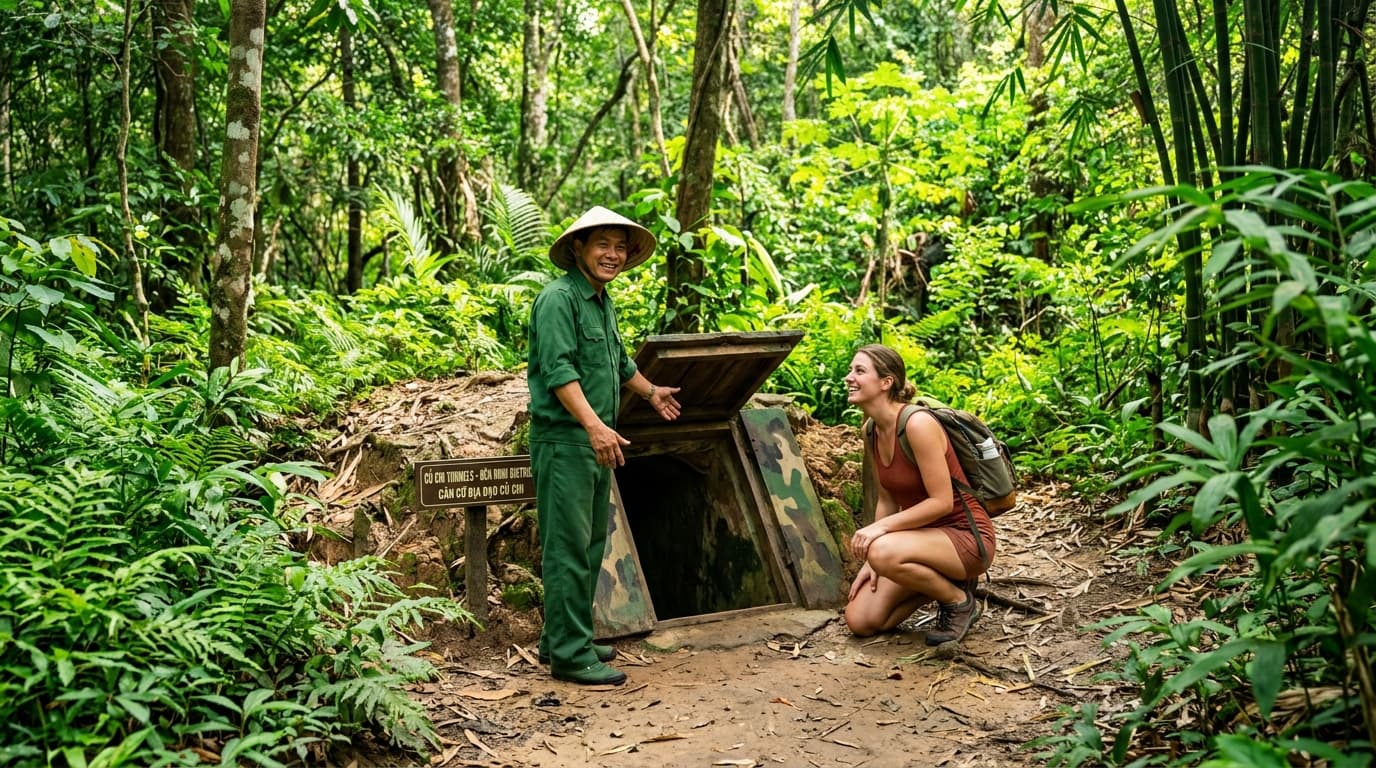
Cu Chi Tunnels from HCMC: Complete History, Tours & Visitor Guide
Explore Cu Chi Tunnels from HCMC: history, tour operators, prices, and insider tips for this essential Vietnam War site.
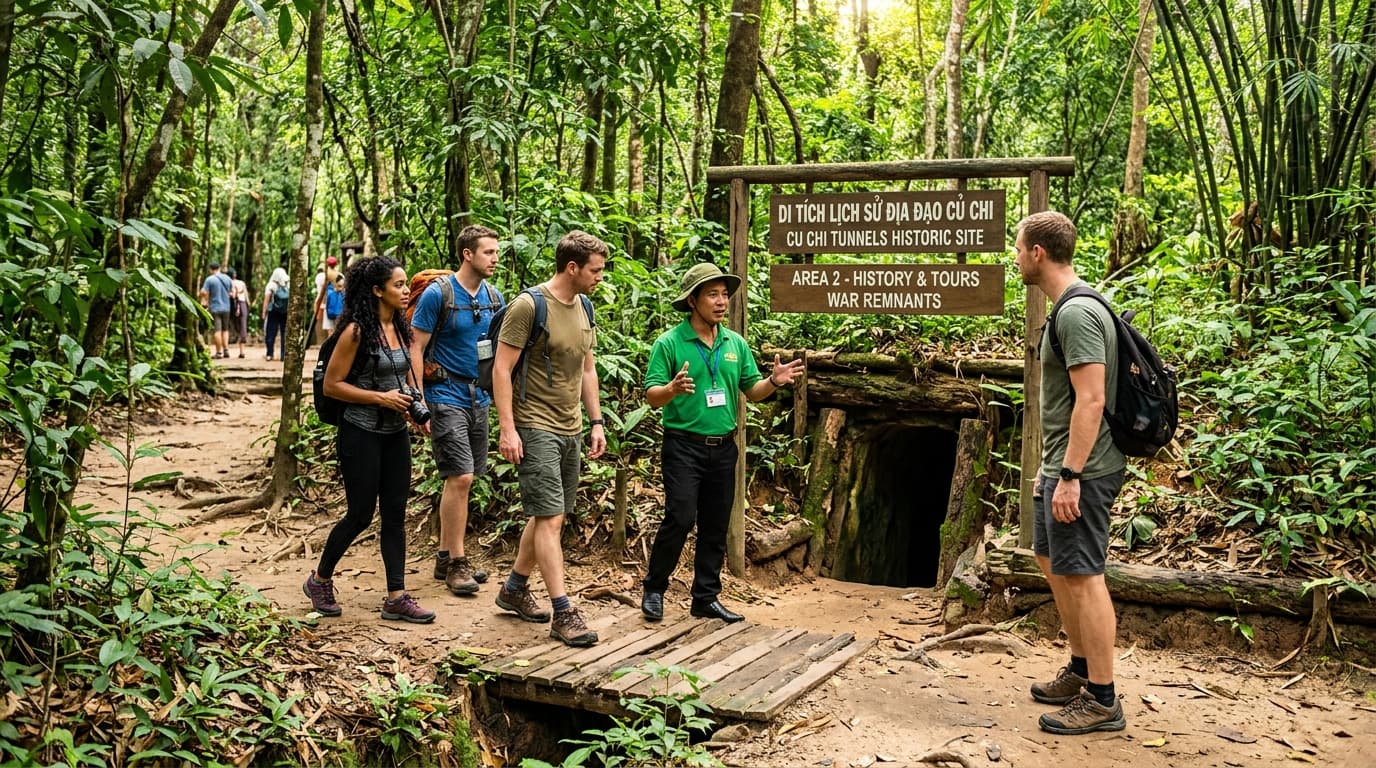
Cu Chi Tunnels from HCMC: History, Tours & Tips
Complete guide to Cu Chi Tunnels from HCMC: history, tour operators, prices, and insider tips for visiting Vietnam's most iconic war site.

Mekong Delta Day Trip from Ho Chi Minh City: Best Tours & Activities Guide
Complete guide to Mekong Delta day trips from HCMC. Compare tours, prices, activities & honest reviews. Book the best experience for your budget.

Vietnam E-Visa 2026: How to Apply, Costs & Processing Time
Complete guide to Vietnam e-visa in 2026: step-by-step application, exact costs, processing times, and common mistakes to avoid.
Plan Your Vietnam Trip
Book hotels, transport, activities, and get connected with an eSIM
Some links are affiliate links. We may earn a commission at no extra cost to you.