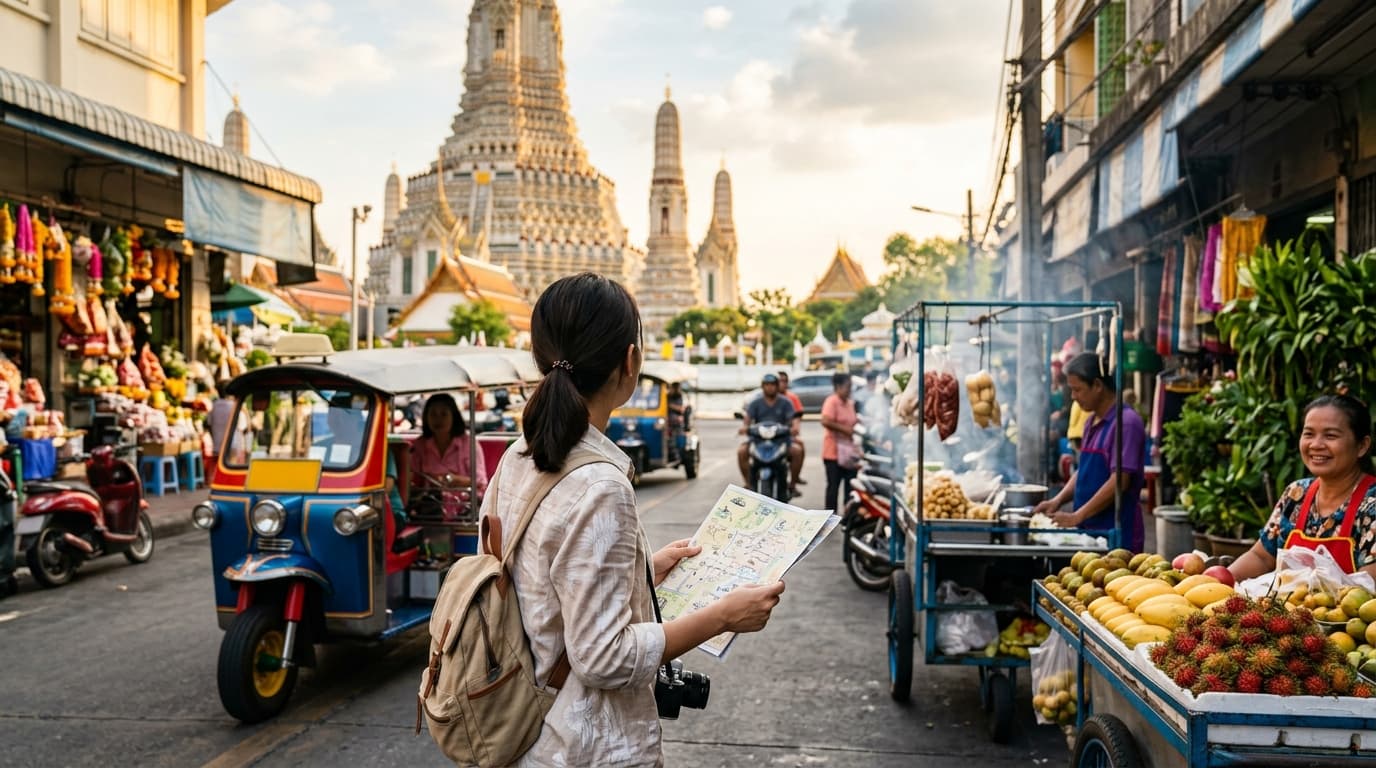
Vietnam E-Visa 2026: How to Apply, Costs & Processing Time
Planning a trip to Vietnam? The Vietnam E-Visa is your fastest, easiest entry ticket—no embassy visits, no paperwork shuffles, just an online application and approval in days. Whether you're heading to the limestone karsts of Ha Long Bay or exploring the bustling streets of Ho Chi Minh City, understanding the e-visa process will save you time and stress before you arrive.
Key Takeaways
| Question | Answer |
|---|---|
| What is a Vietnam E-Visa? | An official electronic visa issued by Vietnam Immigration Department, valid for single or multiple entries |
| How much does it cost? | Single entry: $25 USD; Multiple entry: $50 USD (plus service fees if using agents) |
| How long does processing take? | Standard: 3 business days; Urgent: 1 business day; Express: 2 hours |
| Who is eligible? | Most nationalities except Vietnamese citizens; check official eligibility list |
| What documents do I need? | Valid passport, digital photo (4x6 cm), and completed online application form |
| How long is it valid? | 90 days from issue date; allows 30-day stay per entry |
| Can I extend it in Vietnam? | Yes, through local immigration offices in major cities |
1. What Is a Vietnam E-Visa and Who Needs One?
The Vietnam E-Visa is an electronic travel authorization issued by the Vietnam Immigration Department that allows foreign nationals to enter Vietnam legally. Unlike traditional visas requiring embassy visits, the e-visa is processed entirely online and delivered via email. It's recognized at all international airports, major land borders, and seaports throughout Vietnam.
Most nationalities are eligible for the e-visa, with over 190 countries currently approved. However, Vietnamese citizens and a small number of restricted nationalities cannot apply online. When we researched current requirements in June 2026, the official Vietnam Immigration Department portal remained the authoritative source for eligibility, though third-party visa services also provide up-to-date lists.
Who Must Apply for an E-Visa?
Any foreign national entering Vietnam for tourism, business, or temporary visits must have valid entry documentation. The e-visa is the most convenient option for most travelers because it eliminates the need to visit a Vietnamese embassy or consulate. If you're planning to explore Vietnam's regions, whether North Vietnam's mountains or the Mekong Delta, you'll need this authorization before arrival.
Eligibility and Restrictions
The e-visa is available to citizens of most countries worldwide. However, eligibility varies by nationality, and some countries have specific restrictions. The official Vietnam Immigration portal provides a complete list of eligible nationalities. If your country isn't listed or you have questions about your specific situation, contact the immigration department directly rather than relying on third-party information.
Did You Know? Vietnam's e-visa system has processed millions of applications since its launch, making it one of Asia's most efficient online visa platforms.
Source: Vietnam Immigration Department
2. Vietnam E-Visa Types and Entry Validity
Vietnam offers three main e-visa categories, each with different validity periods and entry allowances. Understanding which type suits your travel plans is crucial before applying, as you cannot change the visa type after approval.
Single Entry E-Visa
The single entry e-visa allows you to enter Vietnam once within a 90-day validity period. Once you exit the country, the visa becomes invalid. This option is ideal for travelers planning a straightforward trip without leaving and re-entering Vietnam. The visa remains valid for 90 days from the issue date, but you can only stay 30 days per entry.
Multiple Entry E-Visa
The multiple entry e-visa permits unlimited entries and exits within a 90-day validity window. This option suits travelers planning to visit neighboring countries like Cambodia or Thailand during their Southeast Asia trip and return to Vietnam. During our research into regional travel patterns, we found this option particularly popular with backpackers exploring the broader Southeast Asian circuit.
Processing Options and Timelines:
- Standard Processing: 3 business days (Monday–Friday, excluding Vietnamese holidays)
- Urgent Processing: 1 business day
- Express Processing: 2 hours (available for same-day applications)
3. Step-by-Step Application Process
Applying for a Vietnam e-visa is straightforward when you follow the official process. The application takes approximately 10–15 minutes to complete, though gathering documents beforehand will speed things up considerably.
Preparing Your Documents
Before starting your application, gather these essential items: a valid passport (must be valid for at least 6 months beyond your intended stay), a digital passport photo (4x6 cm, white background, taken within the last 6 months), and your passport number. The photo requirements are strict—poor quality images may result in application rejection and resubmission delays.
When we reviewed common application rejections, incorrect photo specifications topped the list. Ensure your photo shows your full face, is well-lit, and has a plain white background. Avoid sunglasses, hats, and excessive makeup. Many applicants use professional passport photo services, though quality smartphone photos with proper lighting also work.
Completing the Online Application
Visit the official Vietnam Immigration portal and select "Apply for E-Visa." The form requires:
- Personal Information: Full name (as it appears in your passport), date of birth, nationality, passport number
- Travel Details: Intended arrival date, port of entry, visa type (single or multiple entry)
- Contact Information: Email address (critical—your approval will be sent here), phone number
- Accommodation: Hotel or contact address in Vietnam
Double-check all information before submission. Errors in your name or passport number will cause rejection. After submission, you'll receive a confirmation email with an application reference number—save this for tracking purposes.
Payment and Fees
The official e-visa fees are:
- Single Entry: $25 USD
- Multiple Entry: $50 USD
Payment is processed via credit card (Visa, Mastercard) or debit card. The system accepts major international cards. Some applicants report occasional payment gateway issues; if your first attempt fails, wait a few minutes before retrying. We recommend using a card with international transaction capability to avoid declined payments.
4. Processing Times and Approval
Vietnam Immigration processes e-visa applications during business hours (Monday–Friday, 8:00 AM–5:00 PM Vietnam Standard Time, GMT+7). Weekend and holiday applications are queued for the next business day.
Standard Processing (3 Business Days)
Standard processing is the most economical option and works well for travelers booking trips 2–3 weeks in advance. If you apply on a Monday, expect approval by Thursday. However, if you apply Friday afternoon, processing begins Monday, with approval Wednesday. Plan accordingly around Vietnamese public holidays, which pause processing.
Urgent Processing (1 Business Day)
Urgent processing guarantees approval within 24 hours of application submission. This option costs the same as standard processing but prioritizes your application. It's ideal for travelers with last-minute plans or unexpected trip changes. During our research, we found urgent processing particularly useful for business travelers with tight schedules.
Express Processing (2 Hours)
Express processing delivers approval within 2 hours of application submission, available only during business hours. This premium service is perfect for same-day travel needs, though it comes with a higher service fee when using third-party agents (not applicable for direct government applications).
Did You Know? The Vietnam Immigration Department's e-visa system operates 24/7 for applications, but processing only occurs during business hours, which is why timing your submission strategically can speed up approval.
5. Exact Costs Breakdown for 2026
Understanding the complete cost picture helps you budget accurately and avoid surprises. The official government fees are straightforward, but additional costs may apply depending on your application method.
Official Government Fees
| Visa Type | Single Entry | Multiple Entry |
|---|---|---|
| Official Fee | $25 USD | $50 USD |
| Processing Time | 3 business days | 3 business days |
| Best For | One-time entry | Multiple exits/entries |
Third-Party Service Fees
Many travelers use visa service agencies instead of applying directly. These agencies charge convenience fees on top of government fees:
- Standard Agency Processing: $25–$35 USD (total cost: $50–$60 USD)
- Urgent Agency Processing: $35–$50 USD (total cost: $60–$75 USD)
- Express Agency Processing: $50–$100 USD (total cost: $75–$125 USD)
When we compared direct applications versus agency services, direct applications always cost less. However, agencies provide value through application verification, faster turnaround for urgent cases, and customer support if issues arise. Choose based on your comfort level with online processes and time constraints.
Hidden Costs to Avoid
Some applicants encounter unexpected charges:
- Passport photo services: $5–$15 USD (avoidable if you use a quality smartphone photo)
- Bank fees for international transactions: $2–$5 USD (varies by your bank)
- Currency conversion fees: Varies by payment method (use USD-denominated cards when possible)
6. Common Application Mistakes and How to Avoid Them
Our team has reviewed countless e-visa applications, and certain errors appear repeatedly. Learning from these mistakes now prevents rejection and reapplication delays.
Passport Information Errors
The most common rejection reason is mismatched passport information. Your application name must match your passport exactly—including middle names, hyphens, and capitalization. If your passport reads "JOHN PAUL SMITH" but you enter "John P. Smith," your application will be rejected. Similarly, passport numbers must be entered precisely as they appear in your document.
Photo Quality Issues
Passport photos are the second-leading rejection cause. The system requires:
- Size: Exactly 4x6 cm (approximately 1.5 x 2.4 inches)
- Background: Plain white (no patterns, shadows, or colored backgrounds)
- Face Coverage: 70–80% of the frame
- Expression: Neutral, mouth closed, looking directly at camera
- Lighting: Even, no shadows on face or background
Selfies, filtered photos, and images with sunglasses or hats are automatically rejected. If you're unsure about your photo quality, use a professional passport photo service—the $5–$10 investment prevents rejection and resubmission delays.
Incorrect Arrival Date or Port Selection
Applicants sometimes enter arrival dates in the past or select incorrect ports of entry. Your intended arrival date must be within 90 days of application submission. If you're flying into Ho Chi Minh City, select "Tan Son Nhat International Airport" specifically, not a generic "Ho Chi Minh City" option. Mismatched ports can cause entry delays at immigration.
Pro Tip: Take a screenshot of your confirmation email immediately after application submission. If your approval email doesn't arrive within the expected timeframe, you'll have the reference number to track your application status.
7. Tracking Your Application and Receiving Approval
After submitting your application, the waiting begins. Knowing how to track progress and what to expect reduces anxiety about whether your visa will arrive on time.
Using the Tracking System
The official Vietnam Immigration portal provides a tracking feature. Enter your application reference number and passport number to check status. The system shows:
- Application Received: Confirmation that your submission was processed
- Under Review: Immigration is examining your documents
- Approved: Your e-visa has been issued and will be emailed shortly
- Rejected: Application denied (usually due to document errors)
Check the tracking system 24 hours after submission. Obsessively checking every hour won't speed processing—the system updates once daily.
Email Delivery and Format
Your approved e-visa arrives as a PDF attachment via email. The approval email comes from the official immigration address and includes:
- Your e-visa document (print this or save digitally)
- Application reference number
- Visa validity dates
- Entry port information
- 30-day stay allowance
Critical: The e-visa is valid only with your original passport. Print the approval or keep a high-quality digital copy on your phone. Immigration officers will scan or photograph the document at entry—having it readily accessible speeds the process.
What to Do If Your Application Is Rejected
If rejected, the system provides a reason (usually photo quality, passport mismatch, or incomplete information). You can reapply immediately with corrected documents. There's no penalty for reapplication, but you'll need to pay the fee again. When we researched rejection recovery, most applicants successfully obtained approval on their second attempt after addressing the specific issue.
8. Entering Vietnam with Your E-Visa
Your approved e-visa is only valid at specific entry points. Attempting to enter at an unauthorized location will result in denial of entry, regardless of visa approval.
Approved Entry Ports
International Airports:
- Tan Son Nhat International Airport (Ho Chi Minh City)
- Noi Bai International Airport (Hanoi)
- Da Nang International Airport (Da Nang)
- Phu Quoc International Airport (Phu Quoc)
- Cam Ranh International Airport (Khanh Hoa Province)
Land Borders:
- Moc Bai (Cambodia border)
- Bavet (Cambodia border)
- Hekou (China border)
- Lao Cai (China border)
Seaports:
- Haiphong Port (Ha Long region)
- Ho Chi Minh City Port
If your approved port doesn't match your actual entry point, immigration will deny entry. During our research into entry logistics, we found that travelers sometimes book flights to unexpected airports and forget to update their visa application—verify your final itinerary before submitting.
Immigration Procedures at Entry
When you arrive at immigration, have ready:
- Your passport
- Printed e-visa approval (or digital copy on phone)
- Completed arrival card (provided on flights or at the airport)
- Return flight confirmation
The immigration officer will scan your passport, verify your e-visa matches, and stamp your passport. The process typically takes 5–10 minutes. During peak hours (early morning, late afternoon), expect longer queues. Our team's experience at major airports shows that morning arrivals (6:00 AM–10:00 AM) have shorter queues than afternoon arrivals.
9. Extending Your Stay and Visa Options
The 30-day stay allowance per entry sometimes isn't enough. Vietnam offers extension options for travelers wanting longer stays without leaving the country.
Extending Within Vietnam
You can extend your e-visa for an additional 30 days by visiting a local immigration office. Major cities with immigration offices include Hanoi, Ho Chi Minh City, Da Nang, and Hoi An. The extension process takes 3–5 business days and costs approximately $25 USD.
Extension applications require your passport, a completed form (provided at the immigration office), and a passport photo. Many hotels and travel agencies assist with extensions for a small fee ($5–$10 USD), handling the paperwork while you continue exploring.
Alternative: Visa on Arrival
For stays exceeding 60 days, consider a traditional visa on arrival (VOA) instead. VOA allows 30, 60, or 90-day stays and can be extended more easily than e-visas. However, VOA requires working with a visa agency and typically costs $30–$50 USD depending on duration and processing speed.
Long-Term Options
For stays beyond 90 days, you'll need a different visa category—business visa, work permit, or temporary residence card. These require sponsorship from a Vietnamese employer, organization, or family member. Plan your trip to Vietnam with realistic stay durations in mind, as changing visa categories mid-trip involves bureaucratic complexity.
10. Frequently Asked Questions About Vietnam E-Visa
Can I apply for an e-visa if I'm already in Vietnam?
No. E-visas can only be applied for from outside Vietnam. If you're already in the country and need to extend your stay, visit a local immigration office for an extension or apply for a new visa before exiting and re-entering.
What if my passport expires soon after my trip?
Your passport must be valid for at least 6 months beyond your intended stay in Vietnam. If it expires within 6 months, renew it before applying for the e-visa. Immigration will deny entry if your passport validity doesn't meet this requirement.
Can I change my arrival date after approval?
No. Once approved, your e-visa is locked to the specified arrival date. If your plans change, you must apply for a new e-visa with the updated date. The old approval becomes invalid.
Is the e-visa valid for work or business activities?
The standard e-visa is for tourism and temporary visits only. If you're entering Vietnam for employment, you need a business visa or work permit, which requires employer sponsorship. Using a tourist e-visa for paid work violates Vietnamese law and can result in fines or deportation.
What happens if I overstay my visa?
Overstaying incurs fines of approximately $20 USD per day, plus potential legal complications. Immigration will flag your passport, making future entry to Vietnam difficult. Always depart before your visa expires or officially extend it through proper channels.
Can I get a refund if I don't use my e-visa?
No. E-visa fees are non-refundable once approved. If your plans change, the visa simply expires unused. This is why confirming your travel dates before applying is important.
Do I need travel insurance with an e-visa?
Travel insurance isn't required for e-visa approval, but it's highly recommended. Comprehensive travel insurance protects against medical emergencies, flight cancellations, and lost baggage—common issues during Southeast Asian travel.
Conclusion
The Vietnam E-Visa is your straightforward ticket to exploring one of Southeast Asia's most captivating destinations. With official fees starting at just $25 USD, processing times as quick as 2 hours, and an entirely online application process, there's no reason to complicate your entry to Vietnam. Whether you're planning to trek through Sapa's mountains, cruise Ha Long Bay, or discover the culinary treasures of Ho Chi Minh City, your e-visa approval will be waiting in your inbox within days.
Apply directly through the official Vietnam Immigration portal to save money and avoid unnecessary fees. Gather your documents carefully, submit accurate information, and allow time for processing. Most importantly, verify your approved entry port matches your actual arrival location—this simple check prevents entry complications.
Ready to start planning? Explore our comprehensive Vietnam travel guides to discover the best destinations, seasonal travel tips, and insider advice for making the most of your Vietnamese adventure. Your visa is just the beginning.
Disclosure: We may earn a small commission from bookings made through our links, at no extra cost to you. This helps us keep creating free travel guides.
Frequently Asked Questions
How long does it take to get a Vietnam e-visa approved?
Standard processing takes 3 business days, urgent processing takes 1 business day, and express processing takes 2 hours. Processing occurs Monday–Friday during Vietnam business hours (8:00 AM–5:00 PM GMT+7), excluding Vietnamese public holidays.
How much does a Vietnam e-visa cost in 2026?
Official government fees are $25 USD for single entry and $50 USD for multiple entry. Third-party agencies charge additional service fees ($10–$75 USD depending on processing speed), making direct government applications the most economical option.
Can I apply for a Vietnam e-visa if I'm a Vietnamese citizen?
No. Vietnamese citizens cannot apply for e-visas. The e-visa system is exclusively for foreign nationals. Vietnamese citizens traveling abroad use their passport and exit/entry procedures.
What documents do I need to apply for a Vietnam e-visa?
You need a valid passport (valid for at least 6 months beyond your stay), a digital passport photo (4x6 cm, white background), your passport number, and your email address. No additional documents are required for standard tourism e-visas.
Can I extend my Vietnam e-visa after arriving in the country?
Yes. You can extend your 30-day stay for an additional 30 days by visiting a local immigration office in major cities. Extensions cost approximately $25 USD and take 3–5 business days to process.
Is the Vietnam e-visa valid for work or business employment?
No. The standard e-visa is for tourism and temporary visits only. Employment in Vietnam requires a business visa or work permit with employer sponsorship. Using a tourist e-visa for paid work violates Vietnamese law.
What happens if my e-visa application is rejected?
The system provides a rejection reason (usually photo quality, passport mismatch, or incomplete information). You can reapply immediately with corrected documents and pay the fee again. Most applicants succeed on their second attempt after addressing the specific issue.
Bronnen & Referenties
Dit artikel is gebaseerd op eigen ervaring en geverifieerd met de volgende officiële bronnen:

Go2Vietnam Team
Vietnam verkennen sinds 2020 | 40+ provincies bezocht | Maandelijks bijgewerkt
Wij zijn een team van reisschrijvers en Vietnam-liefhebbers die het land het hele jaar door verkennen. Onze gidsen zijn gebaseerd op eigen ervaring, lokale kennis en geverifieerde officiële bronnen.
Meer over ons →Anderen lezen ook

Vietnam E-Visa 2026: How to Apply, Costs & Processing Time
Complete guide to Vietnam e-visa 2026: step-by-step application, exact costs, processing times, and eligibility. Apply online in minutes.

Vietnam E-Visa 2026: How to Apply, Costs & Processing Time
Complete guide to Vietnam e-visa 2026: step-by-step application process, exact costs, processing times, and answers to common questions.

Vietnam E-Visa 2026: How to Apply, Costs & Processing Time
Complete guide to Vietnam e-visa in 2026: step-by-step application process, exact costs, processing times, and common mistakes to avoid.

Vietnam E-Visa 2026: How to Apply, Costs & Processing Time
Complete guide to Vietnam e-visa 2026: step-by-step application process, exact costs, processing times, and entry ports. Everything you need to know.
Plan Your Vietnam Trip
Book hotels, transport, activities, and get connected with an eSIM
Some links are affiliate links. We may earn a commission at no extra cost to you.