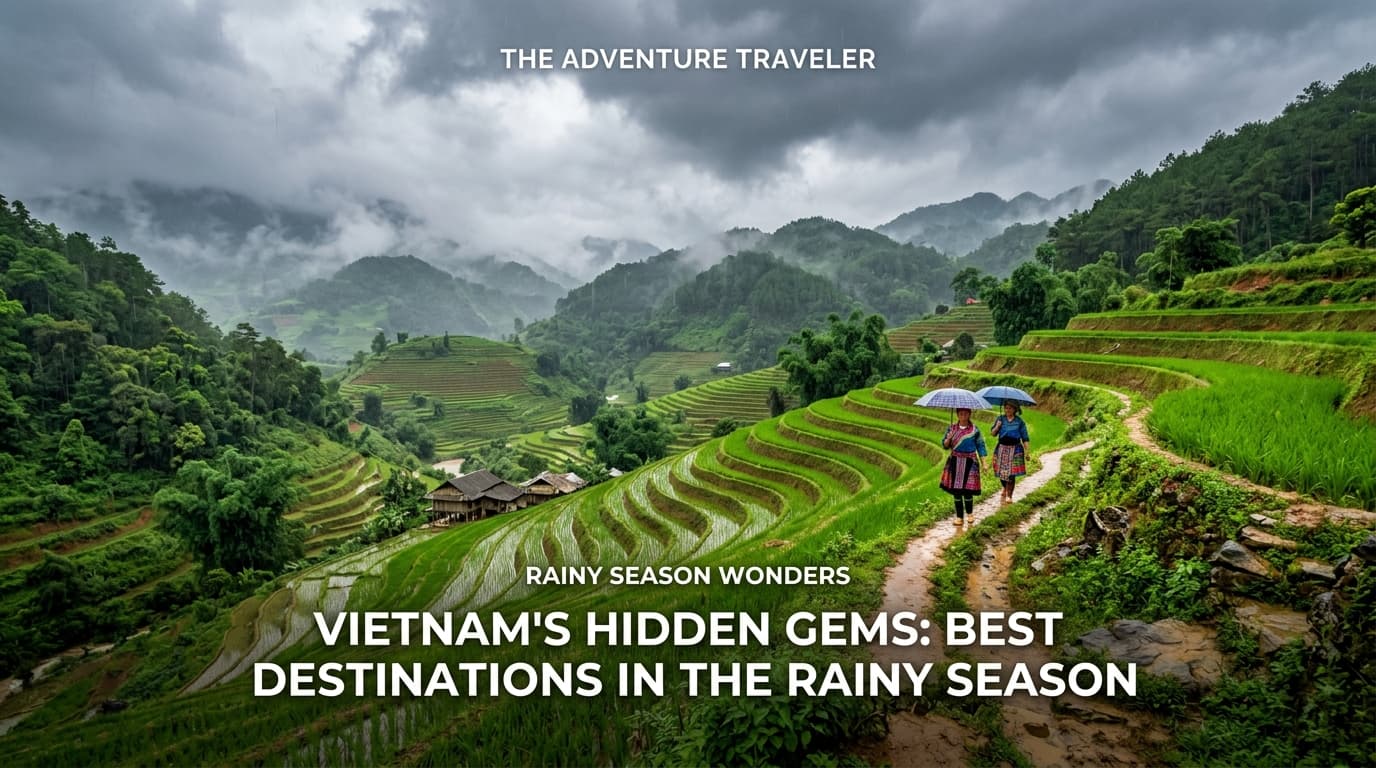
Best Vietnamese Destinations to Visit During Rainy Season
Many travelers avoid Vietnam during rainy season, but our team has discovered it's actually one of the best-kept secrets for experiencing the country like a local—with dramatically lower prices, fewer tourists, and landscapes so lush they'll take your breath away. The monsoon months transform Vietnam into something magical, and if you know where to go, you'll have some of the most memorable experiences of your life.
Key Takeaways
| Question | Answer |
|---|---|
| What is the best time to visit during rainy season? | May–September in the south; October–March in the north (opposite monsoons). September–October offers the sweet spot with clearing skies. |
| How much does it cost? | Accommodation prices drop 30–50% compared to peak season; budget USD 15–25/night for guesthouses, USD 40–80 for mid-range hotels. |
| How do I get there? | Domestic flights, buses, and trains operate normally; book in advance during the transition months (May, September–October). |
| Is it safe? | Yes. Heavy rain is inconvenient but not dangerous. Landslides are rare on main tourist routes. Check local conditions before trekking. |
| What should I [book in advance? | Accommodation (prices are low but availability varies), domestic transport](https://12go.tpo.lv/tNA80urD) during May and September, and trekking guides if planning mountain activities. |
1. Understanding Vietnam's Rainy Season: Two Monsoons, Two Opportunities
Vietnam doesn't have one rainy season—it has two, and they hit opposite sides of the country at different times. This is the crucial insight that changes everything about planning a rainy season Vietnam trip. The southwest monsoon (May–September) drenches the south and central coast, while the northeast monsoon (October–March) brings rain to the north. Understanding this pattern means you can always find a region with improving weather.
When we spent September exploring the central highlands, we watched the tail end of the southwest monsoon clear out, leaving behind emerald rice paddies and a refreshed landscape. The locals told us this is their favorite time—the air is clean, the heat is slightly less oppressive, and the tourist infrastructure is still running smoothly. The key is timing: visit the south during the dry season (November–April), the north during its dry season (May–September), or catch the transition months when one monsoon is ending and the other hasn't fully arrived.
Why Rainy Season Beats Peak Season
The financial advantage alone justifies a rainy season visit. Hotel prices in Da Nang and Nha Trang drop by 30–50% during the monsoon months. Our team booked beachfront rooms in mid-range hotels for USD 40–50 that would cost USD 100+ during December. Beyond money, the experience is fundamentally different: you'll see Vietnam as it actually is, not as a theme park for tourists. Restaurants frequented by locals outnumber tourist traps. You can have entire beaches to yourself. The rain itself, while heavy, typically falls in afternoon bursts rather than all day.
The Two Monsoon Patterns Explained
Southwest Monsoon (May–September): Affects the south, central coast, and central highlands. Ho Chi Minh City, Hoi An, and the Mekong Delta experience heavy afternoon downpours. The north remains dry and warm—perfect for trekking in Sapa or exploring Hanoi.
Northeast Monsoon (October–March): Brings rain to the north, including Ha Long Bay. The south and central coast are dry and sunny. September–October is the transition sweet spot when the southwest monsoon is clearing out but the northeast hasn't fully arrived.
2. Da Lat: The Mountain Escape That Thrives in Rain
Da Lat transforms during rainy season into something from a fairy tale. This Central Highlands city sits at 1,500 meters elevation, where the cooler temperatures and mist create an almost European atmosphere. During the southwest monsoon (May–September), afternoon rains are brief and refreshing rather than oppressive, and the surrounding pine forests become impossibly green.
Our experience in Da Lat during late August was revelatory. We hiked through misty valleys where waterfalls roared with fresh water, visited flower farms bursting with color, and spent evenings in cozy cafes watching the rain from covered terraces. The town was quiet—we could actually have conversations with locals and shop owners without competing for attention. Accommodation prices were genuinely affordable: we found clean, comfortable guesthouses for 300,000–400,000 VND (USD 12–16) per night.
Trekking and Outdoor Activities in the Mist
The rain doesn't stop outdoor activities; it enhances them. Jungle treks around Da Lat become more dramatic with mist rolling through the canopy. The famous Dalat Plateau is actually more beautiful in the rainy season—the landscape is lush, waterfalls are powerful, and the air is crisp. We recommend:
- Hiking Prenn Waterfall: The waterfall is most impressive during rainy season. The 1-hour trek is muddy but manageable, and you'll likely have the trail to yourself.
- Canyoning and adventure sports: Local operators offer canyoning, rock climbing, and zip-lining. Rainy season actually improves conditions for water-based activities.
- Flower farm visits: Da Lat's flower farms are stunning year-round, but rainy season brings out the most vibrant blooms.
Did You Know? Da Lat was founded by the French as a hill station to escape the heat of the lowlands, and it remains the coolest city in Vietnam with average temperatures around 15–20°C even during the warm months.
Skip the hassle — book Vietnam day trips, cooking classes, and experiences in advance with instant confirmation.
Browse Activities on Klook → Scan me
Where to Stay and Eat
Da Lat's accommodation ranges from budget guesthouses (300,000–500,000 VND/USD 12–20 per night) to charming colonial-era hotels. The town's food scene is excellent—try local specialties like avocado ice cream and fresh trout. During rainy season, restaurants are empty enough that you can actually get a table at popular spots without reservations.
3. The Mekong Delta: Waterways and Floating Markets at Their Best
The Mekong Delta might seem like an odd choice for rainy season, but our team discovered it's actually ideal. The region's intricate canal system and floating markets are most authentic and active during the high-water months (June–September). The rain replenishes the water system, and the landscape becomes a patchwork of flooded rice paddies, fruit orchards, and waterways.
When we explored the delta in late August, we found floating markets operating at full capacity with fewer tourists. We could actually navigate the narrow canals without dodging tour boats, and we had genuine conversations with fruit vendors and fishermen. The rain came in predictable afternoon bursts, and we simply took shelter in local restaurants, eating incredible Mekong Delta specialties while watching the downpour.
Floating Markets and Canal Tours
Compare hotels, resorts, and guesthouses across Vietnam with free cancellation on most bookings.
Search Hotels on Booking.com → Scan me
The famous floating markets of Can Tho and the surrounding delta operate year-round, but rainy season is when they're most vibrant. The water levels are higher, making navigation easier, and the produce is fresh. We recommend:
- Cai Rang Floating Market: The largest and most authentic. Visit early morning (5–7am) before tour groups arrive.
- Phong Dien Floating Market: Smaller and more local-focused, with fewer tourists even during peak season.
- Private canal tours: Hire a local boat operator for a full-day tour through narrow canals, visiting fruit orchards, rice paddies, and small villages.
Budget Breakdown for the Delta
Accommodation in Can Tho ranges from 250,000–400,000 VND (USD 10–16) for budget options to 600,000–1,000,000 VND (USD 24–40) for mid-range hotels. Food is incredibly cheap—a full meal of fresh seafood or regional specialties costs 50,000–100,000 VND (USD 2–4). Tours can be arranged through guesthouses for 300,000–500,000 VND (USD 12–20) per person for a full day.
Book canal tours directly with local boatmen at the market rather than through tour operators—you'll pay 30–50% less and get a more authentic experience.
4. Hoi An: Ancient Town Without the Crowds
Hoi An is famous for its lantern-lit ancient town and tailoring culture, but most visitors experience it during peak season (November–February) when it's packed with tourists. Visit during rainy season (May–September), and you'll discover why locals love this place. The town is atmospheric, the streets are walkable, and you can actually browse shops and restaurants without feeling rushed.
Our September visit to Hoi An coincided with the tail end of the southwest monsoon. The afternoon rains were brief, and the town's charming architecture looked even more photogenic with wet streets reflecting the lanterns. We spent hours wandering the ancient town, visiting artisan workshops, and eating at family-run restaurants where we were the only customers. The famous tailoring shops were less aggressive about pushing custom suits, and we could actually negotiate prices.
What to Do in Rainy Season Hoi An
- Explore the ancient town at your own pace: Without crowds, you can actually appreciate the 15th-century architecture and atmosphere.
- Visit artisan workshops: Lantern makers, woodcarvers, and silk weavers are more willing to chat and demonstrate their craft when not overwhelmed by tourists.
- Take cooking classes: Several operators offer half-day and full-day cooking classes. Rainy season means smaller class sizes and more personalized instruction.
- Day trip to nearby beaches: Cham Islands are accessible year-round, though sea conditions are rougher during monsoon season.
Accommodation and Dining
Hoi An's guesthouses and hotels offer significant discounts during rainy season. We found clean, well-located rooms for 400,000–600,000 VND (USD 16–24) per night. The food is exceptional—try cao lau (a local noodle specialty) and fresh seafood at riverside restaurants. Cooking classes typically cost 400,000–600,000 VND (USD 16–24) per person.
Did You Know? Hoi An's ancient town was a major Southeast Asian trading port in the 15th–19th centuries, and its architecture reflects Chinese, Japanese, and French influences. The town was largely spared from modern development because it was isolated during the Vietnam War.
Source: Lonely Planet Vietnam
Compare hotels, resorts, and guesthouses across Vietnam with free cancellation on most bookings.
Search Hotels on Booking.com →
Scan me
5. Hanoi and the North: Dry Season Trekking Paradise
While the south is being drenched by the southwest monsoon, Hanoi and North Vietnam enjoy their dry season (May–September). This is the ideal time to explore the north without the oppressive humidity of winter or the rain of the northeast monsoon season. Temperatures are warm but not unbearable, and the landscape is lush from earlier rains.
During our May visit to Hanoi and the surrounding regions, we experienced perfect trekking weather. The city itself was warm but manageable, and we could explore the Old Quarter, visit the Ho Tay (West Lake), and eat street food without being overwhelmed by crowds. The real magic happened when we ventured north to Sapa and the surrounding highlands.
Sapa and Mountain Trekking
Sapa sits at 1,600 meters in the far north, and the May–September period is ideal for trekking. The landscape is green, waterfalls are flowing, and the weather is stable. We hiked through rice terraces, visited ethnic minority villages, and stayed in family-run homestays for 200,000–300,000 VND (USD 8–12) per night including meals.
- Fansipan Trek: A challenging 2–3 day trek to Vietnam's highest peak (3,143m). May–September offers the best conditions.
- Valley trekking: Easier day treks through rice paddies and villages, suitable for all fitness levels.
- Homestays with local families: More authentic and cheaper than hotels. You'll eat home-cooked meals and learn about local culture.
Hanoi's Rainy Season Advantages
Hanoi during May–September is less crowded than during the November–February peak. The city's street food culture is just as vibrant, and you can actually find seats at popular pho shops. Accommodation ranges from 300,000–500,000 VND (USD 12–20) for budget guesthouses to 800,000–1,200,000 VND (USD 32–48) for mid-range hotels.
Book buses, trains, ferries, and transfers between Vietnamese cities easily online. Compare routes and prices.
Book Transport on 12Go → Scan me
6. Ha Long Bay: Navigating the Northeast Monsoon (October–March)
Ha Long Bay is typically visited during the dry season (October–March), but understanding the monsoon patterns helps you avoid the worst crowds. October and early November are ideal—the northeast monsoon is just beginning, but conditions are still good, and the summer crowds have departed. If you must visit during the wetter months (June–September), the bay is still accessible, though sea conditions are rougher and visibility is reduced.
Our October visit to Ha Long Bay was perfect. The weather was clearing, the water was calm, and we had entire limestone karsts to ourselves. We booked a 2-day cruise for USD 60–80 per person (including meals and accommodation on the boat), which was significantly cheaper than peak-season rates of USD 120–150+.
Cruise Options and Pricing
Skip the hassle — book Vietnam day trips, cooking classes, and experiences in advance with instant confirmation.
Browse Activities on Klook →
Scan me
- Budget cruises: USD 50–80 per person for 2 days/1 night. Basic but clean cabins, shared bathrooms, simple meals.
- Mid-range cruises: USD 100–150 per person. Private cabins, better meals, more activities.
- Luxury cruises: USD 200+ per person. High-end amenities, gourmet dining, premium service.
Rainy season (June–September) offers the lowest prices but rougher sea conditions. October–November provides the sweet spot: improving weather, lower prices than peak season, and manageable crowds.
7. Nha Trang: Beach Town Without the Party Crowds
Nha Trang is famous as a beach party destination, but during rainy season (May–September), it transforms into a more relaxed, authentic coastal town. The rain is typically brief afternoon showers, and the beaches are still swimmable. The advantage: dramatically lower prices and a chance to experience the town as locals do rather than as a backpacker party hub.
When we visited Nha Trang in late August, we found beachfront hotels for 500,000–700,000 VND (USD 20–28) per night that would cost double during peak season. The beaches were quiet, the seafood restaurants were affordable and authentic, and we could actually have conversations with locals without the noise of beach clubs.
Activities and Attractions
- Beach time: The main beach is still pleasant during rainy season. Afternoon showers are brief, and the water is warm.
- Snorkeling and diving: Sea conditions are rougher during monsoon season, but diving is still possible. Visibility is reduced, so this isn't ideal for serious divers.
- Mud baths: Thap Ba Hot Spring Mud Bath is a unique experience and operates year-round. The warm mud is soothing, and you'll likely have the facility mostly to yourself.
- Island hopping: Day trips to nearby islands are possible but weather-dependent. Book with flexibility.
8. Hue: History and Culture in the Quiet Season
Hue, the ancient imperial capital, is a destination for history lovers, and rainy season (May–September) is actually ideal for exploring its temples, tombs, and citadel. The rain keeps crowds away, and you can spend hours wandering the Citadel without being jostled by tour groups. The Bun Bo Hue (spicy beef noodle soup) tastes even better on a rainy day.
Our September visit to Hue was atmospheric and contemplative. We explored the Royal Tombs, rented bicycles to cycle around the Citadel, and took a boat trip on the Perfume River. Accommodation was affordable (400,000–600,000 VND/USD 16–24 per night), and restaurants were empty enough that we could linger over meals without feeling rushed.
Must-See Sites
- The Citadel: The walled royal city is massive and best explored without crowds. Rainy season is ideal.
- Royal Tombs: Several emperors' tombs are scattered around Hue. Each is a unique architectural masterpiece.
- Thien Mu Pagoda: The iconic seven-story pagoda overlooks the Perfume River. The views are moody and atmospheric during rainy season.
9. Practical Tips for Rainy Season Travel: What to Pack and How to Plan
Traveling during rainy season Vietnam requires some specific preparations, but nothing complicated. Our team has developed a system that makes monsoon travel comfortable and enjoyable.
What to Pack
Compare car rental prices across Vietnam. Pick up at airports or city locations with flexible cancellation.
Compare Car Rentals →
Scan me
- Lightweight rain jacket or poncho: Not a heavy raincoat—you want something packable and breathable. A poncho is ideal because it covers you and your backpack.
- Quick-dry clothes: Cotton takes forever to dry in humid conditions. Synthetic or merino wool dries quickly.
- Waterproof bag for electronics: A simple dry bag or waterproof phone case is essential.
- Good walking shoes that drain water: Avoid canvas shoes that absorb water. Sandals with straps are ideal because they dry quickly.
- Umbrella: A compact umbrella is useful, though rain often comes in heavy bursts that make umbrellas ineffective.
Booking Strategy for Rainy Season
Accommodation: Prices are lowest during the height of the monsoon (June–August in the south, January–February in the north). Book 2–4 weeks in advance to get the best selection at the lowest prices. Avoid booking too far ahead—you want flexibility to adjust if weather becomes problematic.
Transport: Domestic flights, buses, and trains operate normally during rainy season. Book buses and trains 1–2 weeks in advance. Flights can be booked closer to your travel date unless you're traveling during transition months (May, September–October) when prices are slightly higher.
Tours and activities: Book trekking guides and boat tours through your guesthouse or a local operator rather than online tour companies. You'll pay less and have more flexibility to adjust based on weather.
Get a Vietnam eSIM before you land. No physical SIM needed — activate instantly on your phone.
Get Saily eSIM for Vietnam → Scan me
10. Health, Safety, and Weather Considerations
Is rainy season safe? Yes, absolutely. Heavy rain is inconvenient but not dangerous on main tourist routes. Landslides are rare on established trekking trails. The main risks are minor: slippery surfaces, flooded streets in low-lying areas, and occasional transport delays.
Health Considerations
- Dengue fever and mosquitoes: Rainy season increases mosquito populations. Use insect repellent, wear long sleeves at dawn and dusk, and consider staying in air-conditioned accommodation.
- Stomach issues: Eat at busy restaurants where food turnover is high. Avoid street food from vendors with poor hygiene practices. Drink bottled water.
- Fungal infections: The humidity can cause skin issues. Keep skin dry, change out of wet clothes quickly, and use antifungal powder if needed.
Weather Reality Check
Yes, it rains during rainy season. But the rain is typically:
- Afternoon showers: Rain often comes in the afternoon, leaving mornings clear for activities.
- Intermittent: It's not continuous all-day rain. You'll have breaks between showers.
- Warm: Unlike cold rain in temperate climates, tropical rain is warm. Getting wet isn't uncomfortable.
The worst-case scenario is that you spend an afternoon in a cafe with a ca phe sua da (iced Vietnamese coffee) watching the rain. That's not a bad day.
Frequently Asked Questions
What is the absolute best month to visit during rainy season?
September–October is the sweet spot. The southwest monsoon is clearing out, the northeast monsoon hasn't fully arrived, and prices are lower than peak season but higher than the height of the monsoon. Weather is improving, and you'll have fewer crowds.
Can I visit multiple regions during rainy season?
Absolutely. The key is understanding that the two monsoons hit opposite sides of the country. Visit the north (May–September) while the south is rainy, or visit the south (October–April) while the north is wet. You can also time a trip to catch the transition months when both regions have improving weather.
How much money can I save by visiting during rainy season?
Accommodation prices drop 30–50% compared to peak season. Food and activities are similarly discounted. A budget traveler can live comfortably on USD 20–30 per day during rainy season, compared to USD 35–50+ during peak season.
Is rainy season good for beach activities?
It depends on the region and specific month. The water is still warm and swimmable, but sea conditions are rougher, visibility for snorkeling is reduced, and some water activities may be cancelled. Beach time is still possible, but it's not ideal for serious water sports.
Should I buy travel insurance for rainy season travel?
Yes, absolutely. Travel insurance is important year-round, but rainy season increases the risk of flight delays and activity cancellations. Make sure your policy covers weather-related cancellations and medical expenses.
Conclusion
Rainy season Vietnam is not a compromise—it's an opportunity. Lower prices, fewer crowds, lush landscapes, and authentic local experiences await travelers willing to embrace the monsoon. Whether you're trekking through misty mountains in Sapa, exploring ancient temples in Hue, or navigating floating markets in the Mekong Delta, rainy season offers a side of Vietnam that peak-season visitors never see.
The key is understanding the two monsoon patterns, choosing your destinations strategically, and packing appropriately. Our team has spent rainy seasons in Vietnam multiple times, and we consistently find it more rewarding than peak-season travel. You'll spend less money, experience more authentic interactions, and create memories that feel genuinely Vietnamese rather than tourist-focused.
Ready to plan your rainy season adventure? Start with our comprehensive Vietnam travel guide for first-time visitors, or explore specific regions through our city guides. For detailed planning, check out our practical travel information and weather guides.
Go2Vietnam is your trusted source for authentic, first-hand Vietnam travel advice. We've lived here, traveled every region, and written from genuine experience. Let us help you plan the rainy season trip of a lifetime.
Bronnen & Referenties
Dit artikel is gebaseerd op eigen ervaring en geverifieerd met de volgende officiële bronnen:

Go2Vietnam Team
Vietnam verkennen sinds 2020 | 40+ provincies bezocht | Maandelijks bijgewerkt
Wij zijn een team van reisschrijvers en Vietnam-liefhebbers die het land het hele jaar door verkennen. Onze gidsen zijn gebaseerd op eigen ervaring, lokale kennis en geverifieerde officiële bronnen.
Meer over ons →Anderen lezen ook
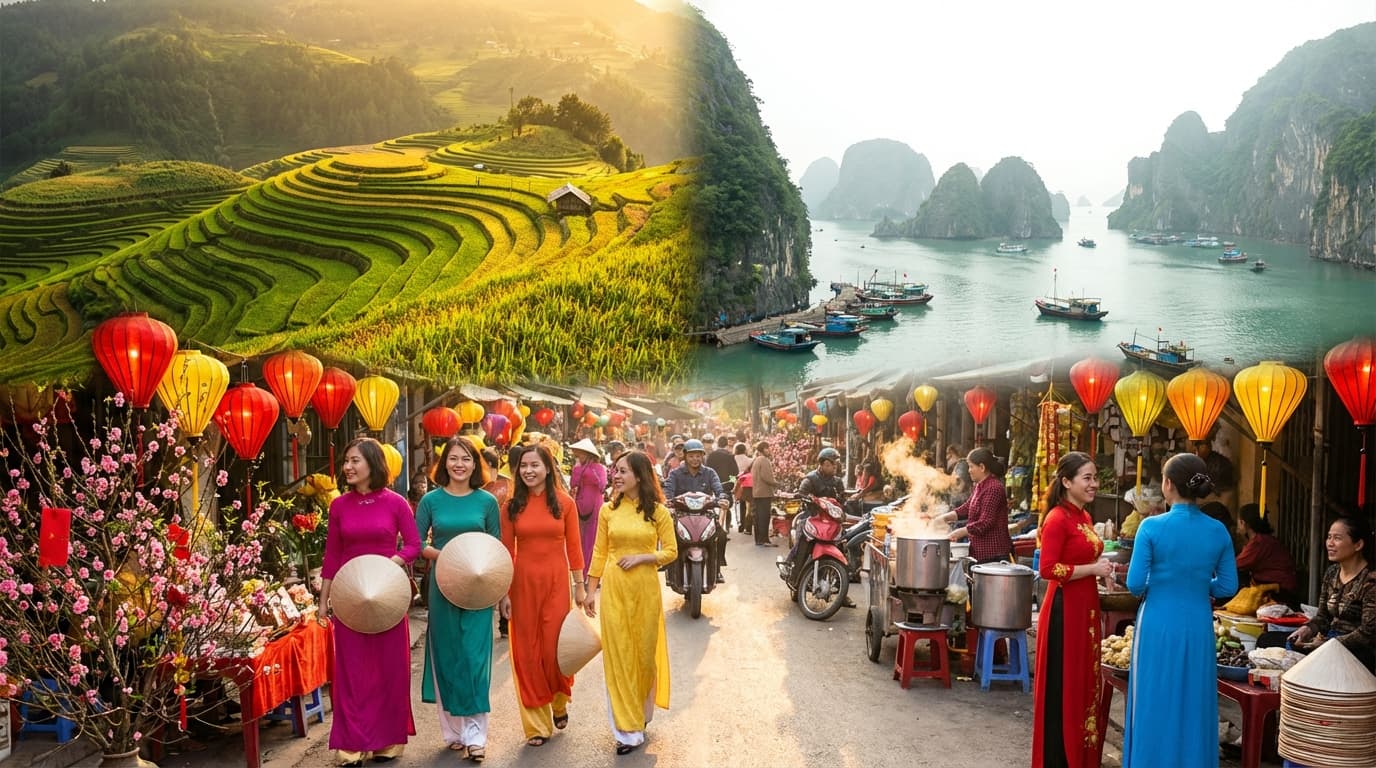
Vietnam Dry Season vs Wet Season: Month by Month Guide
Complete month-by-month guide to Vietnam's seasons. Learn when to visit each region, what to expect, and how to plan around weather and crowds.
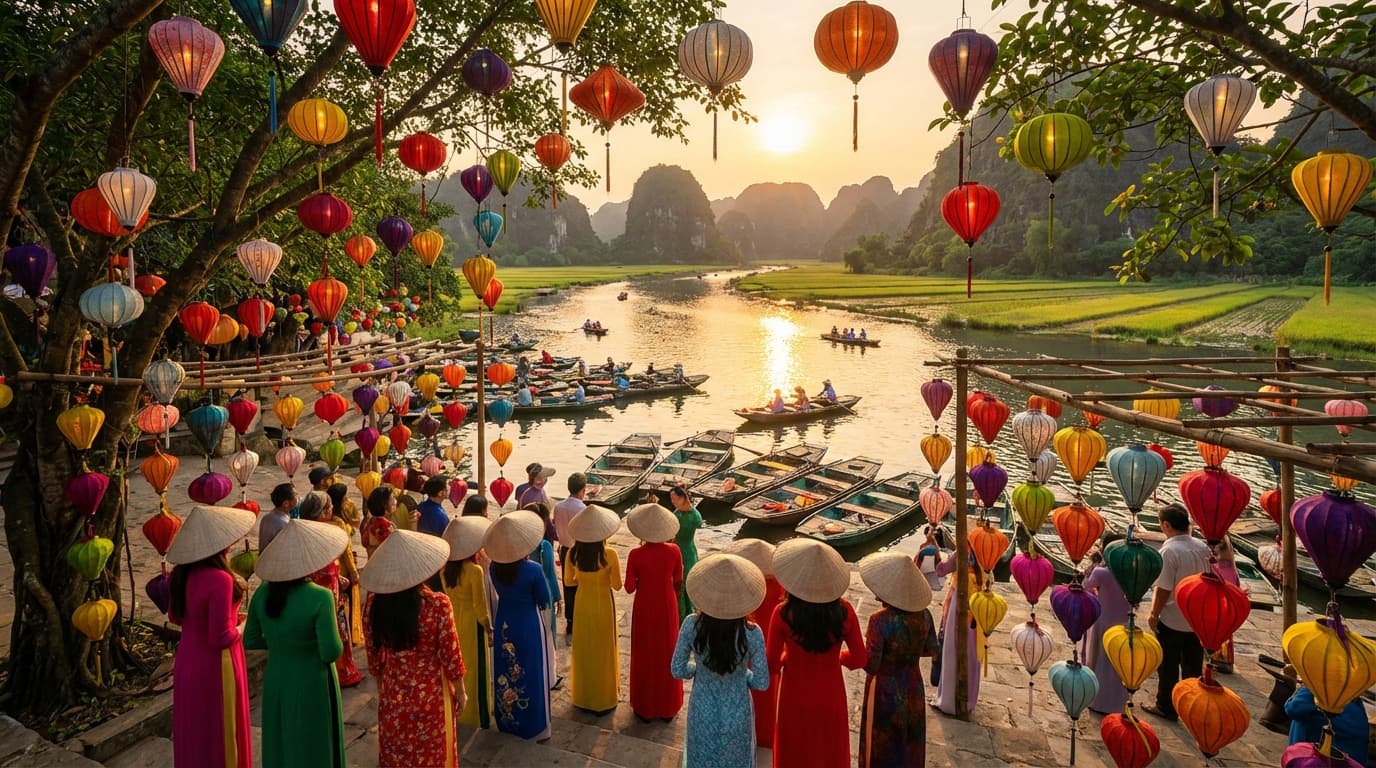
Vietnam's Typhoon Season: What Travelers Need to Know
Complete guide to Vietnam's typhoon season: timing, affected regions, safety tips, and best alternatives. Plan smarter.
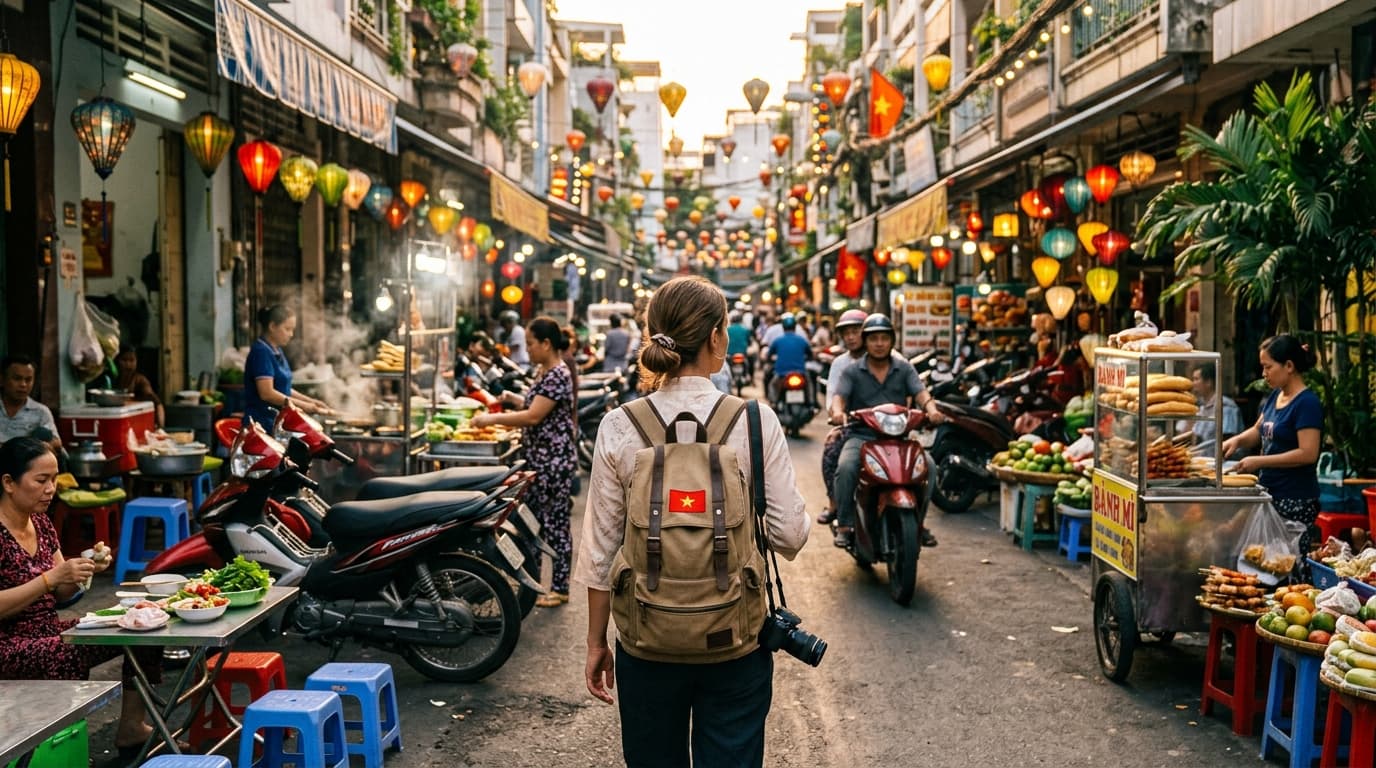
Free Things to Do in Ho Chi Minh City: Budget Travel Guide 2025
Explore Ho Chi Minh City without breaking the bank. Free attractions, budget eats, and insider tips for travelers on a tight budget.
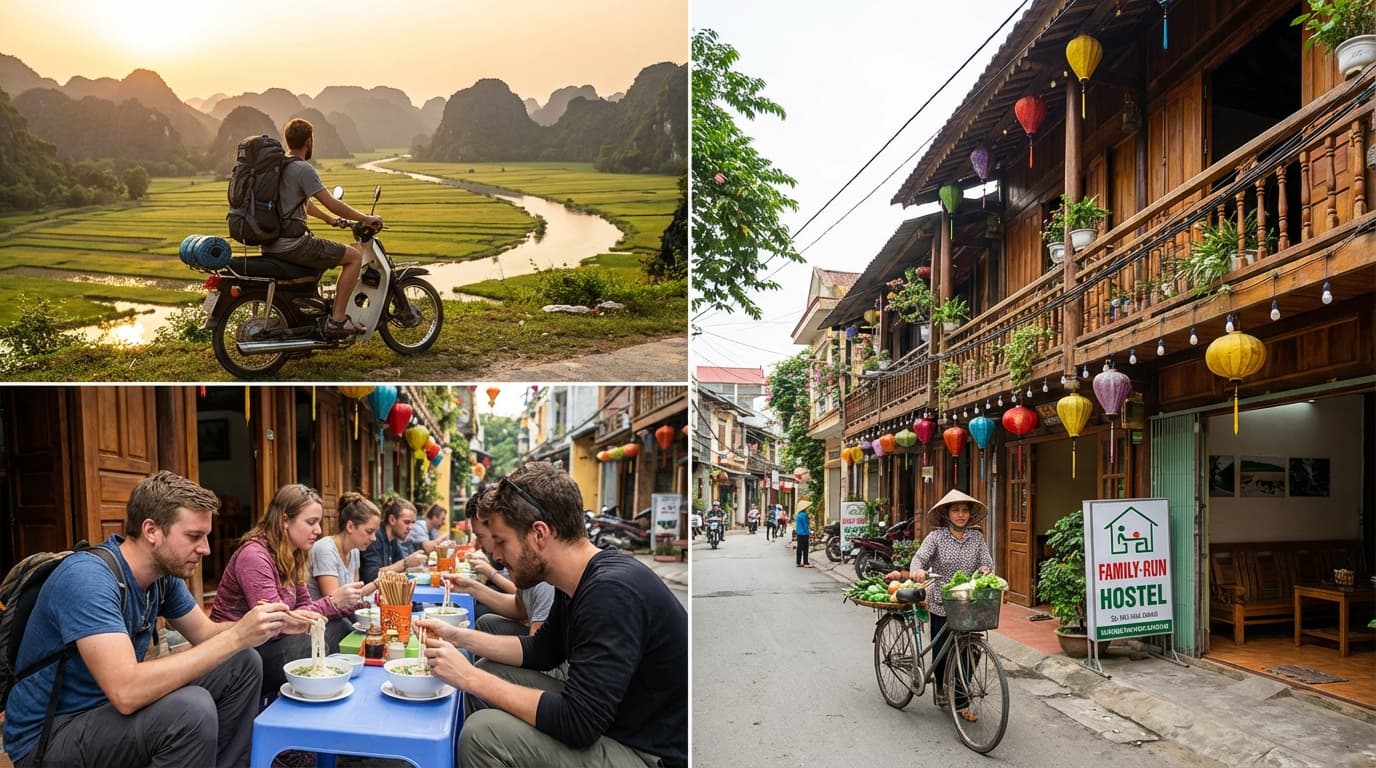
Budget Hostels vs Guesthouses in Vietnam: Honest Comparison
Compare budget hostels and guesthouses in Vietnam with real prices in VND and USD. Honest guide to where to stay, save money, and splurge.
Plan Your Vietnam Trip
Book hotels, transport, activities, and get connected with an eSIM
Some links are affiliate links. We may earn a commission at no extra cost to you.