Northwest Vietnam
Overview
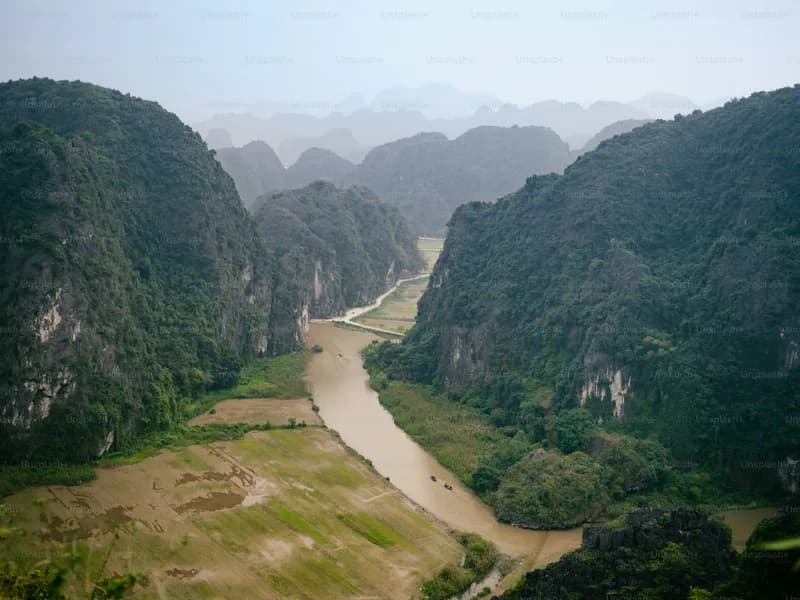
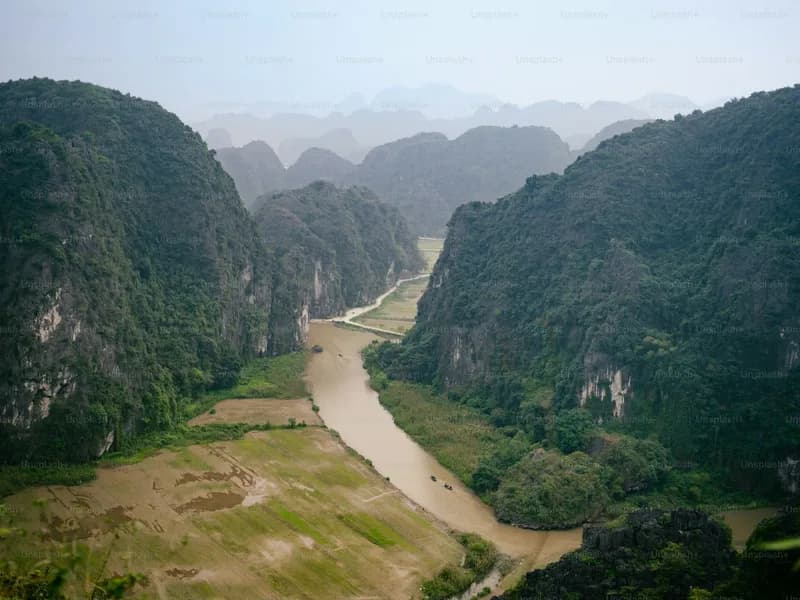
Northwest Vietnam is the country's mountainous frontier, where the Hoang Lien Son range -- home to Fansipan, Indochina's highest peak at 3,143 meters -- descends into deep river valleys carved by the Red and Black Rivers. This is Vietnam at its most dramatic and least developed, a region of serpentine mountain passes, terraced rice paddies that glow emerald green in summer and golden in harvest season, and remote villages where Hmong, Dao, Tay, and Thai ethnic minorities maintain centuries-old traditions of weaving, farming, and communal life. Sapa is the most accessible gateway, now connected to Hanoi by expressway (approximately 5 hours) and cable car to Fansipan's summit, but the true adventure lies further afield: the legendary Ha Giang Loop, considered one of the world's greatest motorcycle journeys, winds through the Dong Van Karst Plateau Geopark along the Chinese border, past vertiginous cliffs, hidden valleys, and ethnic markets that feel unchanged by time. Mai Chau, closer to Hanoi, offers a gentler introduction to highland culture with Thai stilt house homestays surrounded by rice paddies in a serene valley. This region rewards travelers who are willing to venture beyond the usual tourist trail.
Top Experiences
The best things to do in Northwest Vietnam
Trek the Sapa Rice Terraces
Hike through the sculpted hillside terraces of Muong Hoa Valley with a local Hmong or Dao guide, passing through villages like Lao Chai and Ta Van, and staying overnight in traditional homestays where you share meals with local families.
Ride the Ha Giang Loop
Spend 3-4 days on the epic motorbike route through the Dong Van Karst Plateau UNESCO Global Geopark, crossing the vertiginous Ma Pi Leng Pass (one of Vietnam's Four Great Passes), winding along the Nho Que River canyon, and discovering landscapes that rival anything in the world.
Summit Fansipan
Reach the roof of Indochina at 3,143 meters either by a challenging 2-day trek through cloud forest with a guide, or via the record-breaking 6,292-meter cable car for panoramic views above the clouds. The summit offers views across the Hoang Lien Son range on clear days.
Visit Bac Ha Sunday Market
Experience the weekly gathering where Flower Hmong, Phu La, Tay, and other ethnic groups converge from surrounding villages in a riot of traditional clothing colors to trade livestock, handwoven textiles, medicinal herbs, and local produce. It is one of the most authentic market experiences in Southeast Asia.
Cities in Northwest Vietnam
Explore the destinations in this region
Best Time to Visit
Recommended Period
September to November — The rice terraces are at their most photogenic during harvest season (September-October), when the paddies turn golden. The weather is generally dry with clear mountain views. March to May is also good, when terraces are freshly planted and green.
Food & Specialties
Northwest Vietnamese cuisine reflects the harsh mountain environment and the diverse ethnic cultures of the region. Meals tend to be hearty, warming, and built around locally foraged ingredients, wild game, and home-distilled rice wine.
Thang Co
a traditional Hmong horse meat stew with organ meats and herbs, served at highland markets (an acquired taste, but culturally significant)
Com Lam
sticky rice cooked in bamboo tubes over an open fire, giving it a subtle smoky, woody flavor
Cap Nach Pig (Lon Cap Nach)
small black pigs raised by ethnic minorities, roasted or grilled whole, with exceptionally tender and flavorful meat
Salmon & Trout
cold mountain streams support freshwater fish farms producing premium salmon and trout, often grilled or served as sashimi in Sapa restaurants
Ruou Can (Reed Straw Wine)
communal rice wine drunk through long reed straws from a shared clay pot, a traditional staple of Tay and Thai ethnic group gatherings
Men Men
a traditional Hmong dish of steamed corn flour, often served as a porridge-like staple alongside meat and vegetable dishes
Getting There
How to reach Northwest Vietnam
By Air
There are no commercial airports in the northwest. The nearest airport is Noi Bai International (HAN) in Hanoi, from where overland travel to Sapa takes approximately 5 hours by expressway, or 8 hours by overnight sleeper train to Lao Cai followed by a 1-hour bus to Sapa.
By Train
Overnight sleeper trains run from Hanoi to Lao Cai (the town at the base of Sapa) in approximately 8 hours. Victoria Express and Sapaly Express offer comfortable berths with private cabins. From Lao Cai, minibuses and taxis ascend to Sapa town (1 hour).
By Bus
The new Hanoi-Lao Cai expressway has cut travel time to Sapa to approximately 5 hours. Comfortable limousine buses and sleeper coaches depart from Hanoi's My Dinh bus station. For Ha Giang, buses take 6-7 hours from Hanoi.
Getting Around
In Sapa town, walking is sufficient for the center. For treks, hiring a local guide is essential (and required for some routes). Motorbike rental is the primary transport for the Ha Giang Loop ($10-15 per day for a semi-automatic Honda XR or similar), though hiring an Easy Rider guide-driver is recommended for less experienced riders. Mai Chau is typically visited by private car or motorbike from Hanoi (3.5 hours). Local buses connect towns but schedules are infrequent and vehicles are basic.
Accommodation
Where to stay in Northwest Vietnam
Budget
Sapa has numerous hostels and budget hotels from $5-15 per night. Homestays in ethnic minority villages cost $8-15 including dinner and breakfast, offering an authentic cultural experience.
Mid-Range
Boutique hotels and eco-lodges in Sapa range from $30-80 per night. Properties like Topas Ecolodge and Sapa Jade Hill offer stunning valley views. In Ha Giang, mid-range homestays and small hotels cost $15-40.
Luxury
The Hotel de la Coupole by MGallery is Sapa's premium option with French Indochine-inspired design. The Victoria Sapa Resort offers colonial-era luxury. Expect $100-250+ per night.
Safety
The northwest is safe from crime but presents physical risks from mountain roads, unpredictable weather, and remote locations. The Ha Giang Loop in particular requires competent motorbike skills -- accidents are common among inexperienced riders on the steep, winding roads. Always wear a proper helmet, ride within your ability, and avoid riding in fog, rain, or after dark. Landslides can block roads during the rainy season (June-August). Mobile phone coverage is patchy outside towns. Altitude sickness is unlikely below 3,000m but Fansipan trekkers should acclimatize. Carry a basic first aid kit and ensure travel insurance covers motorbike riding.
Travel Tips
Insider advice for visiting Northwest Vietnam
- 1The Ha Giang Loop requires a motorbike license (international driving permit with motorcycle endorsement). Police checkpoints do check, and fines are issued.
- 2Book homestay treks through reputable local Hmong or Dao guides rather than large tour agencies -- more money goes directly to the community.
- 3Pack warm and waterproof layers for the mountains. Temperatures can drop to near freezing in winter (December-February), and fog and rain can roll in quickly.
- 4The Bac Ha Sunday Market operates only on Sundays and is worth timing your itinerary around. Arrive early (before 8am) for the best atmosphere.
- 5For the Ha Giang Loop, carry cash -- there are very few ATMs outside the main towns and card payment is virtually nonexistent.
- 6Respect ethnic minority customs: always ask permission before photographing people, do not enter homes uninvited, and avoid touching head coverings or sacred objects.
- 7The rice terraces are most photogenic during two periods: late September to early October (golden harvest) and late May to June (lush green with water reflections).