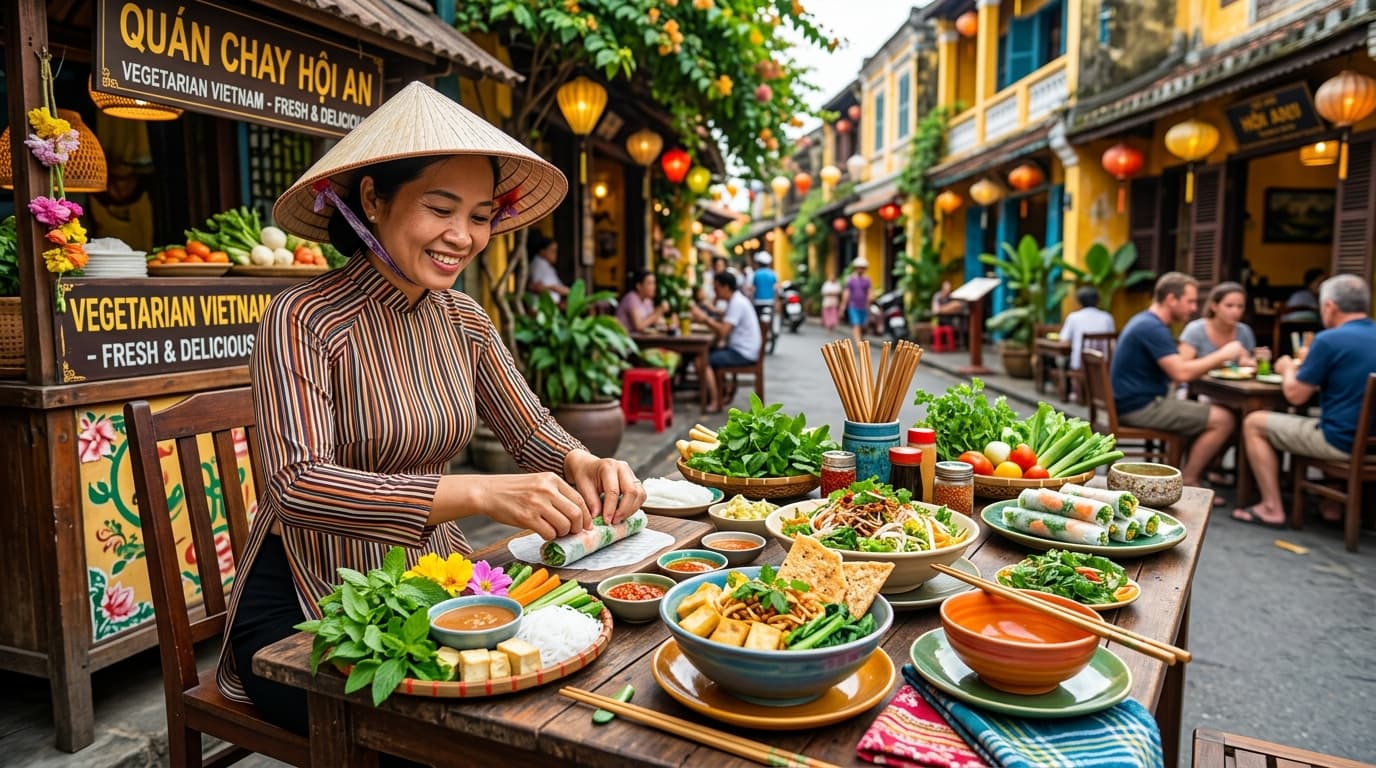
Vegetarian and Vegan Vietnam: How to Eat Plant-Based Across the Country
Vietnam is one of the most accommodating countries in Southeast Asia for vegetarians and vegans — and not because of recent food trends. The tradition runs centuries deep. Buddhist monks have been eating plant-based in Vietnamese temples since long before the phrase "plant-based" existed. The culinary infrastructure — specialized restaurants, specific market stalls, a fully developed vocabulary of substitutes — has been in place for generations.
This guide explains how the system works, what to eat, where to find it, and the one word you need to know: chay.
Key Takeaways
| Question | Answer |
|---|---|
| Is Vietnam good for vegetarians? | Excellent — one of Southeast Asia's best, with a deep Buddhist vegetarian tradition |
| What is "chay"? | The Vietnamese word for vegetarian/vegan food — say "ăn chay" to explain your diet |
| Are there dedicated vegetarian restaurants? | Yes — every city has multiple chay restaurants, often near temples |
| What are the best vegetarian dishes? | Pho chay, banh mi chay, com chay, goi cuon chay, bun rieu chay |
| When is vegetarian food most available? | 1st and 15th of the lunar month — restaurants get very busy |
| Is vegan included in chay? | Most chay food is already fully vegan; eggs and dairy are rarely used |
The Buddhist Foundation: Why Vietnam Has Such Strong Vegetarian Tradition
Vietnam is a predominantly Buddhist country, and Vietnamese Buddhism takes plant-based eating seriously. The practice of ăn chay (eating vegetarian) is tied to Buddhist principles of compassion and non-harm. Many Vietnamese Buddhists — including non-monks — observe vegetarian days on the 1st and 15th of each lunar month, abstaining from meat as a form of spiritual practice and merit-making.
This isn't a niche tradition. On those two days each month, significant portions of the Vietnamese population switch to chay eating, and restaurants across the country adjust their menus accordingly. Regular pho shops put out a chay version; street stalls add tofu to their usual offering; dedicated chay restaurants get packed out by lunchtime.
The Buddhist temple circuit reinforces this. Most major temples in Vietnam — from the sprawling pagodas of Hanoi to the riverside temples of Hoi An — run or are adjacent to vegetarian restaurants. These temple eateries tend to serve simple, clean food at minimal prices: rice with braised tofu and vegetables, noodle soups with clear vegetable broth, steamed dishes. They're not set up for tourists, which means the food is genuinely good and genuinely cheap.
Cultural note: Vietnamese chay cuisine does not use garlic or onion in many traditional temple-style preparations, following a stricter interpretation of Buddhist precepts that avoids the "five pungent roots." If you're buying from a temple restaurant, expect milder flavors than street chay. Secular chay restaurants typically use garlic and onion freely.
The Key Word: Chay (pronounced "chai")
The single most important piece of vocabulary for vegetarian travel in Vietnam is chay (rhymes with "sky" without the 'sk'). It means vegetarian or vegan food, and it appears on restaurant signs, menus, and market stalls across the country.
Useful phrases:
- "Tôi ăn chay" — I eat vegetarian (literally: "I eat chay")
- "Không có thịt" — No meat
- "Không có hải sản" — No seafood
- "Có gì ăn chay không?" — Is there anything vegetarian?
When you see a restaurant sign with the word CHAY or CƠM CHAY (vegetarian rice) or PHỞ CHAY (vegetarian pho), you're in the right place. These restaurants are fully vegetarian kitchens — no meat is cooked on the premises, making cross-contamination a non-issue.
One important caveat: in Vietnamese, "vegetarian" and "vegan" are covered by the same word (chay). Traditional chay food rarely uses dairy or eggs anyway — fish sauce is the main non-vegan ingredient to watch in non-chay restaurants, but dedicated chay restaurants replace it with soy sauce or vegetarian dipping sauce (nuoc cham chay). You can eat vegan at virtually every chay restaurant without asking specifically.
Vegetarian Dishes to Know
Pho Chay (Vegetarian Pho)
The vegetarian version of Vietnam's most famous dish uses a clear vegetable or mushroom broth instead of beef bone stock. Toppings include tofu, various mushrooms (shiitake, wood ear, oyster), fresh herbs, and rice noodles. Done well, pho chay achieves a surprising depth from the combination of caramelized onion and ginger in the broth. It's available at most chay restaurants and at general pho shops on Buddhist lunar days.
Banh Mi Chay (Vegetarian Banh Mi)
The Vietnamese sandwich gets a plant-based makeover with grilled or marinated tofu replacing the meat, plus the standard pickled daikon and carrot, cucumber, chili, and coriander. In larger cities, you'll find dedicated banh mi chay stalls charging 15,000-25,000 VND (less than USD $1). The quality varies widely — the best versions use tofu that's been properly marinated and grilled, not just dropped in plain.
Com Chay (Vegetarian Rice Plates)
Com means rice, and com chay is the workhorse of Vietnamese vegetarian eating: steamed jasmine rice served with an assortment of vegetable and tofu dishes. You'll find this at chay restaurants throughout the country, typically as a set plate (dia com chay) or a buffet-style spread where you point at what you want. Prices range from 25,000-60,000 VND. Common toppings include caramelized tofu, stir-fried morning glory, braised eggplant, and pickled vegetables.
Goi Cuon Chay (Vegetarian Fresh Spring Rolls)
Fresh rice paper rolls filled with tofu, vermicelli noodles, herbs, and lettuce — dipped in peanut sauce or hoisin. Goi cuon are already light and healthy in their standard form; the vegetarian version simply replaces shrimp with tofu or mushroom. These are widely available at chay restaurants and at many general restaurants that can make them on request.
Bun Chay (Vegetarian Noodle Soups)
The full range of Vietnamese noodle soups has vegetarian equivalents. Bun rieu chay replaces the crab paste base with tomato and tofu. Bun bo Hue chay swaps the pork and beef stock for lemongrass-and-chili vegetable broth. These dishes are less commonly found than pho chay but available at larger chay restaurants in major cities.
Mi Quang Chay (Central Vietnam)
Mi quang — the turmeric-yellow noodle dish from Da Nang and Hoi An — has a chay version that uses tofu and peanuts instead of pork and shrimp. Given that mi quang has a relatively light broth (more of a seasoned sauce than a full soup), the vegetarian version loses less than you'd expect.
Mock Meats
Vietnamese chay cuisine has a long tradition of mock meats — tofu, gluten (mien can), and soy protein formed and seasoned to resemble chicken, pork, and seafood. At restaurant-standard chay places, these can be genuinely convincing. Restaurants like Anhly Vegan in Hanoi specialize in this style. The mock "chicken" (thit ga chay) and mock "pork" (thit heo chay) are popular orders among local vegetarians and worth trying even if you're not usually a mock meat person.
Explore Vietnam's vegetarian chay cuisine with guided food tours and cooking classes across Hanoi, Hoi An, and Ho Chi Minh City.
Browse Food Tours on Klook → Scan me
Vegetarian Vietnam by City
Hanoi
Hanoi has a thriving chay scene centered around two clusters: the Old Quarter and the area around Tran Quoc Pagoda near West Lake. Dedicated chay restaurants are plentiful and cheap — most rice plate meals run 30,000-60,000 VND.
Specific restaurants:
-
Nhà Hàng Chay Nàng Tâm (79A Tran Hung Dao) — One of Hanoi's oldest and most respected vegetarian restaurants. Multi-story, extensive menu, mock meat specialties. Prices are slightly higher than street chay (80,000-150,000 VND for a full meal) but the quality and range justify it.
-
Bun Cha Chay 145 (145 Doi Can) — Specializes in vegetarian bun cha, arguably the most successful vegetarian version of a meat-centric Hanoi classic. The smoky flavor comes from the caramelized tofu rather than charcoal-grilled pork, but it works.
-
Anhly Vegan (various locations in Hanoi) — Fully vegan restaurant specializing in mock meat Vietnamese dishes. Pho, bun cha, banh mi, and crispy pancakes all in plant-based form. Good for travelers who want familiar Vietnamese flavors without compromise.
On the 1st and 15th of the lunar month, head to any major pagoda — Tran Quoc, Quan Su Temple, or the One Pillar Pagoda — and look for the chay stalls that appear outside. They're cash-only, occasionally chaotic, and sell some of the most genuine vegetarian Hanoi food available.
Ho Chi Minh City
HCMC has the widest variety of vegetarian options in Vietnam, driven by a large Buddhist population and a growing international food scene. Districts 3, 5, and Binh Thanh have heavy concentrations of chay restaurants.
Specific restaurants:
-
Loving Hut (multiple locations) — International vegan chain with strong local presence in HCMC. The Vietnamese dishes are solid; the menu is huge. Good for reliable vegan food without language barriers.
-
Tib Restaurant (187 Hai Ba Trung, District 3) — Long-running vegetarian restaurant in a garden setting. Known for lotus-based dishes and elegant presentation. More upscale than most chay places (150,000-250,000 VND for a full meal).
-
An Nhien Vegetarian (various District 3 locations) — Popular with local office workers and students. Large com chay buffet with 15-20 dishes, typically 40,000-70,000 VND for a full plate. The braised tofu and morning glory stir-fry are consistently good.
-
Pho Hoa Pasteur (260C Pasteur) — This famous pho restaurant offers pho chay on the menu alongside its standard beef pho. The broth is properly made with vegetable stock, not a watered-down version of the beef broth.
The area around Binh Tay Market in Cholon (District 5) has a dense concentration of Buddhist-Chinese influenced chay restaurants, often cheaper and more locally oriented than the tourist-facing options in District 1.
Hoi An
Hoi An's small size belies its strong vegetarian scene. Several excellent chay restaurants operate near the Ancient Town, and the town's many Buddhist temples each have associated vegetarian eateries.
-
Karma Waters (near the riverside) — Popular with travelers, offers Vietnamese chay alongside international dishes. Good English-language menu, decent prices (80,000-150,000 VND).
-
Streets Restaurant (17 Le Loi) — Social enterprise restaurant that donates proceeds to underprivileged youth. Extensive vegetarian options on the main menu (not a dedicated chay restaurant, but very accommodating). The vegetarian cao lau is one of the better versions in town.
-
Chay restaurants near Phuoc Lam Pagoda — The pagoda district on the edge of Hoi An's ancient town has several no-frills chay restaurants aimed at local worshippers. Rice plates run 20,000-35,000 VND. These are the most authentic — and cheapest — vegetarian options in town.
Da Nang
Da Nang is less developed for vegetarians than the other major cities but improving. The area around Pho Da pagoda and Linh Ung Temple has chay options, and the city's growing food scene has produced several dedicated vegan cafes in the My An beach district.
Compare hotels and guesthouses across Vietnam with free cancellation on most bookings.
Search Hotels on Booking.com → Scan me
Hidden Traps: What to Watch Out For
Fish Sauce and Shrimp Paste
The default seasoning in Vietnamese cooking is fish sauce (nuoc mam) and, in many Central and Southern dishes, shrimp paste (mam ruoc). Both are invisible in broths and sauces. At a dedicated chay restaurant, these are replaced with soy sauce and vegetarian seasoning sauce. At a general restaurant that claims to offer vegetarian dishes, always ask specifically: "Không có nước mắm không?" (No fish sauce?).
Stock and Broth
Pho and noodle soup broths at general (non-chay) restaurants are almost always made with animal bones. Asking for a vegetarian version at a non-chay restaurant typically gets you the same broth with the meat removed, not a genuinely vegetable-based broth. For proper vegetarian broth, go to a dedicated chay restaurant.
The 1st and 15th: Avoid General Restaurants on These Days
On the two Buddhist lunar days each month, the food supply chain shifts toward chay. But the busiest time to eat at chay restaurants is exactly these days — lines form early, and popular places sell out of certain dishes by mid-morning. If you're not specifically trying to participate in the Buddhist tradition, eat at general restaurants on these days and ask for vegetarian options off-menu.
"No Meat" Doesn't Always Mean Vegetarian
Some Vietnamese cooks understand "no meat" to mean no visible chunks of pork or beef — but might still use chicken stock, dried shrimp, or shrimp paste in sauces. The safest phrase at a non-chay restaurant: "Tôi ăn chay — không có thịt, cá, hải sản, hoặc mắm" (I eat vegetarian — no meat, fish, seafood, or fermented shrimp/fish paste). Or simply find a chay restaurant.
Practical Tips for Vegetarian Travel in Vietnam
Use Happy Cow. The HappyCow app and website lists vegetarian and vegan restaurants across Vietnam with user reviews. Coverage is best in Hanoi, HCMC, and Hoi An; thin in rural areas and small towns.
Carry a diet card. A small card in Vietnamese explaining your dietary requirements (printable from various travel sites) is useful at restaurants without English-speaking staff. It removes ambiguity.
Rural areas are harder. Outside major cities and tourist towns, chay restaurants exist but are harder to find and often only open around the Buddhist lunar days. In rural Vietnam, rely on vegetable dishes from general restaurants (rau muong xao toi — morning glory with garlic — is everywhere) and manage your expectations.
Markets are your friend. Fresh fruit, steamed corn, boiled sweet potato, and various ready-to-eat vegetable preparations are sold at Vietnamese markets throughout the country. These are always vegan and incredibly cheap.
Fruit is extraordinary. Vietnam's tropical fruit — dragon fruit, rambutan, mangosteen, longan, jackfruit, pomelo — is abundant, cheap, and excellent. A plate of fruit from a market stall (20,000-40,000 VND) can supplement meals when restaurant options are limited.
Frequently Asked Questions
Is Vietnam good for vegans?
Very good, especially in cities. Vietnam's Buddhist chay tradition means fully plant-based food is part of the mainstream culinary culture, not a niche request. In Hanoi, Hoi An, and HCMC, you'll find dedicated chay restaurants on nearly every street near temples. The challenge increases in rural areas and small towns.
What does "chay" mean in Vietnamese?
Chay (pronounced like "chai" in English) means vegetarian or vegan food. It covers both vegetarians and vegans since traditional Vietnamese chay food contains no dairy or eggs. A restaurant with "CHAY" or "CƠM CHAY" in its name is a fully vegetarian/vegan kitchen.
Is fish sauce used in all Vietnamese food?
No — but it's the default seasoning in non-chay restaurants. Dedicated chay restaurants replace fish sauce with soy sauce (xi dau) or vegetarian seasoning sauce. At non-chay restaurants, you need to ask explicitly. The phrase "Không có nước mắm" (no fish sauce) is essential.
Can I eat vegetarian in rural Vietnam?
It's harder but possible. Look for chay restaurants near Buddhist temples — every rural town of any size has at least one temple, and most have an associated vegetarian eatery. Alternatively, stick to vegetable side dishes (rau xao — stir-fried greens) at regular restaurants and carry some backup snacks from city markets.
What is the best city in Vietnam for vegetarian food?
Ho Chi Minh City has the most variety, driven by both its large Buddhist population and its international food scene. Hoi An offers excellent quality in a small space. Hanoi has a deep and authentic chay tradition but fewer Western-style vegan cafes. All three are genuinely excellent compared to most countries.
Conclusion
Vietnam rewards vegetarian travelers who know the system. The word chay is your key — say it, look for it on signs, and follow it toward some of the most interesting plant-based food in Southeast Asia. Temple eateries with 30,000 VND rice plates, sophisticated mock-meat restaurants in the cities, bustling chay street stalls on Buddhist lunar days — all of it is accessible, affordable, and genuinely worth seeking out.
For more on Vietnam's food culture, read our street food guide or learn to cook these dishes yourself with our Vietnam cooking classes guide. If you're visiting Hoi An, the chay restaurants near the ancient town's pagodas are among the best in Central Vietnam.
Sources & References
This article is based on first-hand experience and verified with the following official sources:

Go2Vietnam Team
Exploring Vietnam since 2020 | 40+ provinces visited | Updated monthly
We are a team of travel writers and Vietnam enthusiasts who explore the country year-round. Our guides are based on first-hand experience, local knowledge, and verified official sources.
More about us →People Also Read
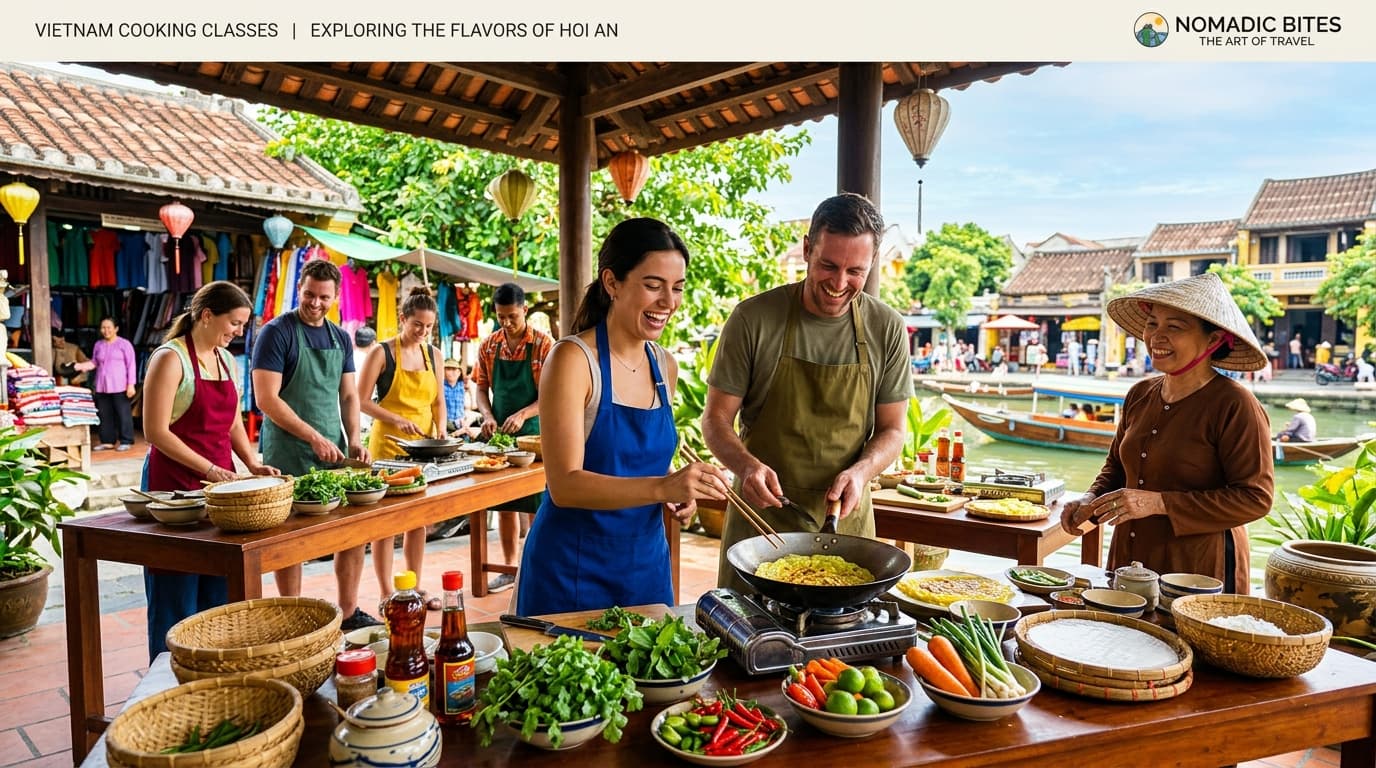
Best Cooking Classes in Vietnam: Hanoi, Hoi An, and HCMC
Find the best cooking classes in Vietnam across Hanoi, Hoi An, and Ho Chi Minh City. Real school names, prices, what you learn, and which market visits are worth it.
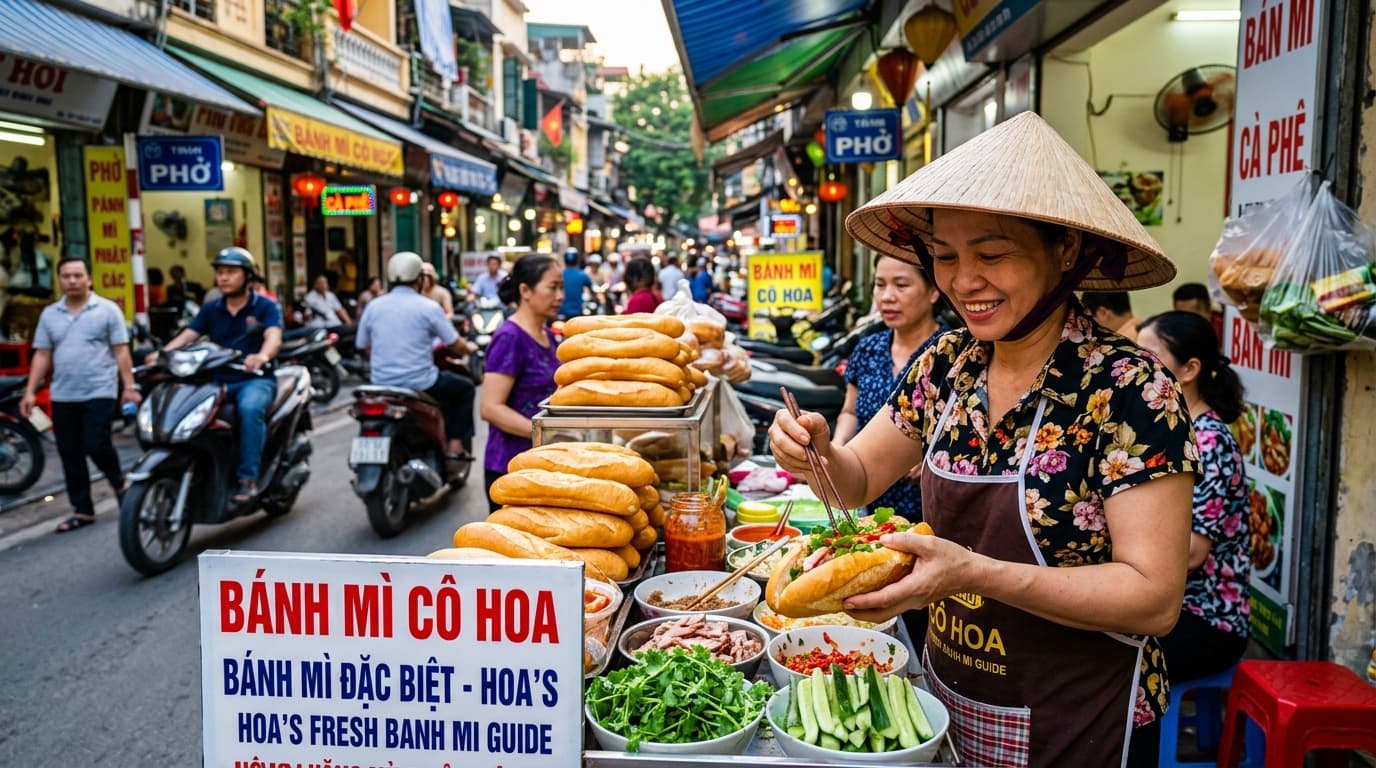
Banh Mi: A Complete Guide to Vietnam's Perfect Sandwich
Master Vietnam's iconic banh mi sandwich. Learn regional variations, where to find the best, and how to order like a local.
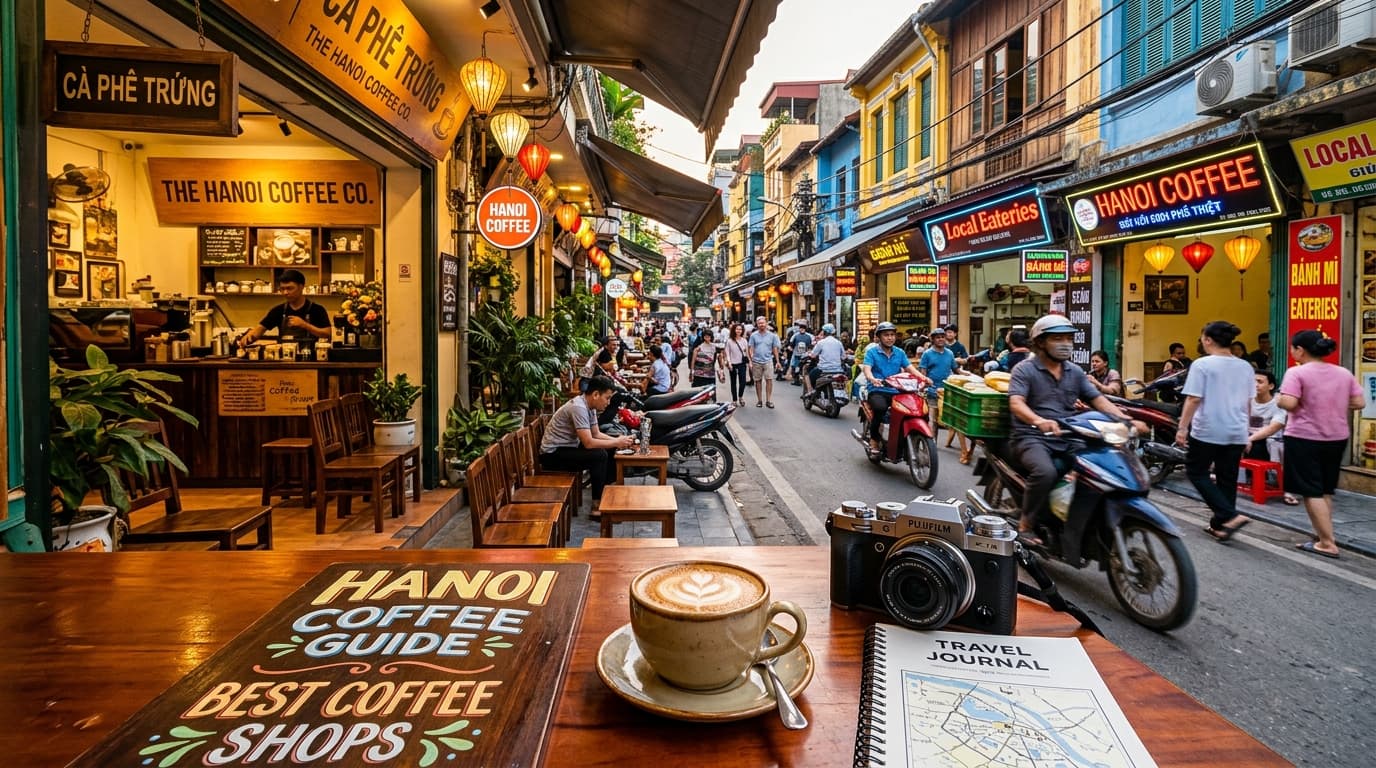
Best Coffee Shops in Hanoi: From Egg Coffee to Ca Phe Sua Da
Discover Hanoi's best coffee shops, from iconic egg coffee to traditional ca phe sua da. Local favorites, hidden gems, and how to order like a local.

Is Vietnam Safe? Honest Safety Guide for Travelers in 2026
Is Vietnam safe to visit in 2026? Honest guide covering traffic safety, common tourist scams, solo female travel, health and vaccination requirements, and practical precautions.
Plan Your Vietnam Trip
Book hotels, transport, activities, and get connected with an eSIM
Some links are affiliate links. We may earn a commission at no extra cost to you.