Sa Pa Trekking Guide: Routes, Homestays & Best Season
Sa Pa Trekking Guide: Routes, Homestays & Best Season
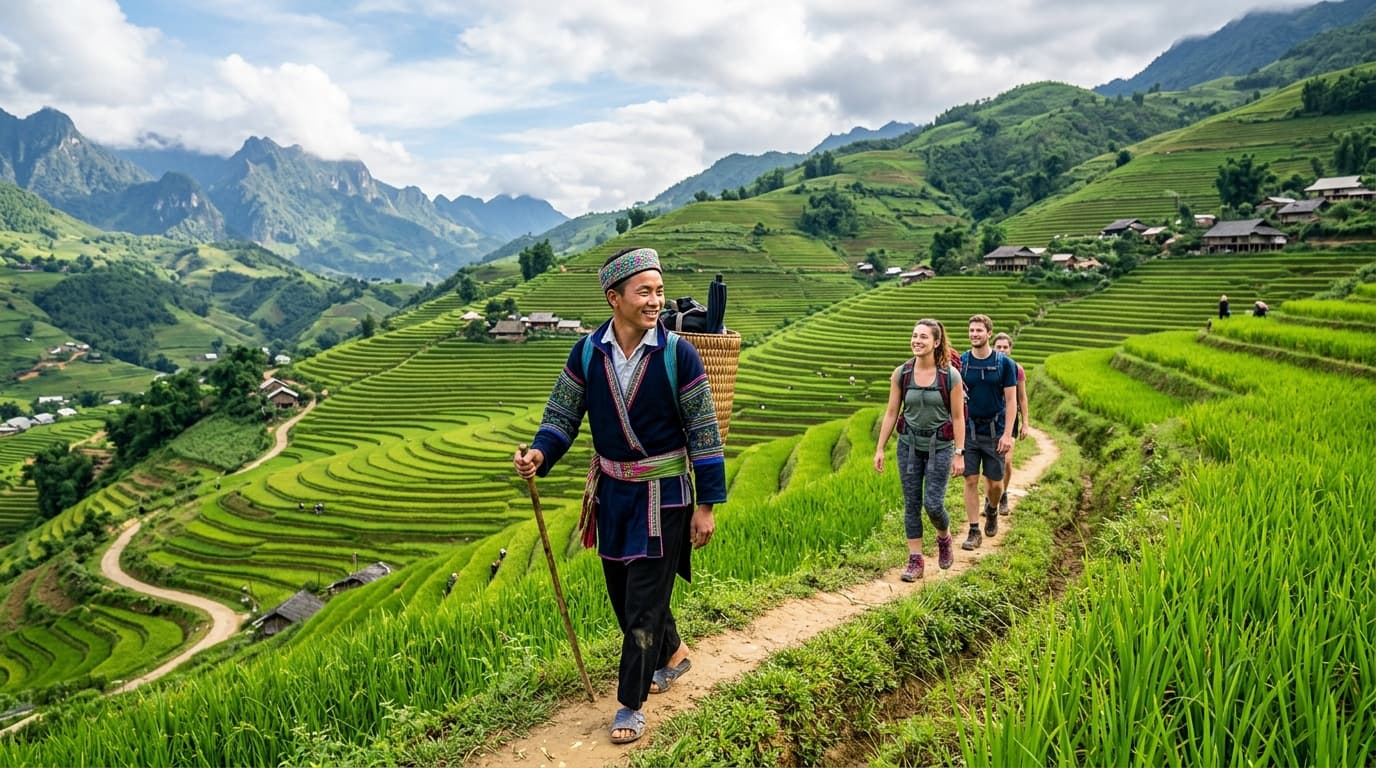
Mist rolls across emerald rice terraces as you descend into valleys where Hmong and Dao villages cling to mountainsides—this is Sa Pa trekking, Vietnam's most iconic mountain experience. Located in Northwest Vietnam, the town of Sa Pa sits at 1,600m elevation, offering everything from gentle day walks to multi-day homestay adventures through some of Southeast Asia's most dramatic terrain.
We've spent weeks exploring Sa Pa's trails, staying in family-run homestays, and talking with local guides who know every switchback and village. This guide cuts through the tourist noise to show you exactly how to trek Sa Pa properly—which routes deliver real cultural immersion, which operators are worth your money, and when to go for the best weather and fewest crowds.
Key Takeaways
| Question | Answer |
|---|---|
| What is the best time to visit? | September to November (clear skies, cool temps) and March to May (spring flowers, 15-20°C). Avoid June-August monsoons and December-February fog. |
| How much does it cost? | Budget homestay treks: 800,000-1,200,000 VND ($32-48 USD) per day; mid-range operators: 1,500,000-2,000,000 VND ($60-80 USD); premium guides: 2,500,000+ VND ($100+ USD). |
| How do I get there? | Overnight bus from Hanoi (5-6 hours, ~300,000 VND/$12 USD) or fly to Hanoi then bus. Direct minivans available daily. |
| Is it safe? | Very safe. Trails are well-established, guides are experienced, and villages welcome trekkers. Weather and altitude are bigger concerns than safety. |
| What should I book in advance? | Book homestays 2-3 weeks ahead during peak season (Sept-Nov). Guides can be arranged same-day, but advance booking ensures better matches and smaller groups. |
| What's the fitness level required? | Day treks: moderate fitness. Multi-day homestays: good fitness (6-8 hours daily hiking with elevation gain). Bring trekking poles—terrain is steep and muddy. |
| What should I pack? | Waterproof jacket, trekking boots (not sneakers), layers, sun protection, and a headlamp. Homestays provide basic bedding but bring a sleeping bag liner for comfort. |
1. Understanding Sa Pa's Trekking Landscape
Sa Pa trekking isn't a single trail—it's a network of routes connecting minority villages (primarily Hmong, Dao, and Tay communities) across the Hoang Lien Son mountains. The town itself is a colonial-era hill station that's become heavily touristy, but step onto the trails and you're in a different world entirely. When we visited in October, we saw maybe a dozen other trekkers across three days of hiking, despite Sa Pa town being packed with backpackers.
The trekking region covers roughly 500 square kilometers, with elevations ranging from 600m in valleys to 3,143m at Fansipan (Vietnam's highest peak). Most treks stay between 1,000-2,000m, which means you'll experience cool mountain air, mist-shrouded valleys, and dramatic elevation changes. The trails themselves are a mix of well-maintained paths, village footways, and steep scrambles—nothing technical, but definitely not flat.
Geography & Village Clusters
The main trekking zones radiate from Sa Pa town in different directions. Cat Cat Village (3km south) is the most accessible and touristy—you can walk there in 30 minutes, but it's crowded with day-trippers. Fansipan dominates the northwest and is tackled either by cable car (20 minutes, 200,000 VND/$8 USD) or a brutal 8-10 hour trek. The Muong Hoa Valley (east) is where serious trekkers head—it's where you'll find homestays in villages like Ta Van and Giang Ta Chai, with minimal tourist infrastructure and genuine cultural exchange.
During our time in the region, we learned that the best trekking experiences happen when you move away from the main Sa Pa town. Villages in the Muong Hoa Valley see far fewer visitors, and homestay families there are more engaged with trekking tourism as a primary income source, not a side hustle.
Terrain & Difficulty Levels
- Easy (Day treks): Cat Cat Village, Silver Waterfall, walks around Sa Pa town. 2-4 hours, minimal elevation gain, suitable for all fitness levels.
- Moderate (1-2 day treks): Muong Hoa Valley routes, Ta Van Village, Giang Ta Chai. 5-7 hours daily, 500-800m elevation change, requires decent fitness.
- Challenging (2-3 day treks): Multi-village homestay loops, Fansipan trek. 6-9 hours daily, significant elevation gain, good fitness essential.
2. Best Trekking Routes Compared
Sa Pa has dozens of possible routes, but most fall into a few categories. We've hiked the main ones and can tell you which deliver the best experience for different traveler types.
The Muong Hoa Valley Loop (2-3 Days)
Compare hotels, resorts, and guesthouses across Vietnam with free cancellation on most bookings.
Search Hotels on Booking.com → Scan me
This is the gold standard for Sa Pa trekking. You start in Sa Pa town, descend into the Muong Hoa Valley (losing 1,000m elevation), visit 3-4 Hmong and Dao villages, spend nights in family homestays, and return to town. The route typically includes Ta Van, Giang Ta Chai, and Ban Ho villages, though variations exist.
Why it's the best: Authentic homestay experience, manageable daily distances (5-7 hours), incredible scenery, and genuine interaction with village families. You'll eat meals prepared by your host family, sleep in their homes (basic but clean), and wake to roosters and mist. When we did this route in October, our homestay family in Ta Van taught us to prepare sticky rice, showed us their rice paddies, and invited us to sit with them for dinner—no performance, just real hospitality.
Logistics: Most homestays include guide, meals, and accommodation for 1,500,000-2,000,000 VND ($60-80 USD) per person per day. Treks start early (6-7am) and you'll hike 5-7 hours daily with breaks. Trails are steep, muddy when wet, and require good boots.
Best season: September-November (clear skies, cool temps). March-May works but can be crowded.
Fansipan Trek (1-2 Days)
Vietnam's highest peak (3,143m) is a bucket-list item for many, but the trek itself is brutal and increasingly commercialized. The cable car (opened 2016) now carries most visitors to the summit in 20 minutes, making the trek less popular but also less crowded.
Why it's worth considering: If you want to summit Vietnam's highest peak, the trek is the authentic way. The cable car feels like cheating (and costs 200,000 VND/$8 USD). The trek itself takes 8-10 hours up, 6-7 hours down, with a night in a basic mountain hut. Altitude can be an issue—some trekkers experience headaches or fatigue above 2,500m.
Honest assessment: The Fansipan trek is more about the summit than the experience. The views are spectacular on clear days, but you're hiking with dozens of other people on a well-worn trail. If you want authentic mountain trekking, the Muong Hoa Valley is better. If you want to say you summited Vietnam's highest peak, Fansipan delivers.
Cost: 1,200,000-1,800,000 VND ($48-72 USD) for guided trek including hut accommodation.
Cat Cat Village Day Trek (Half Day)
The easiest and most accessible route—a 3km walk from Sa Pa town down to Cat Cat Village (Hmong settlement), past a waterfall, and back. Takes 2-3 hours total.
Why it exists: It's perfect for travelers with limited time or fitness, and it's genuinely beautiful. But it's also the most touristy route, with souvenir sellers at the village and crowds of day-trippers.
Cost: Free if you walk independently, or 500,000-800,000 VND ($20-32 USD) with a guide (not necessary for this route).
Comparison Table: Major Routes
| Route | Duration | Daily Hiking | Homestay? | Cost/Day | Best For |
|---|---|---|---|---|---|
| Muong Hoa Valley Loop | 2-3 days | 5-7 hours | Yes | 1,500,000-2,000,000 VND | Authentic culture, scenic beauty |
| Fansipan Trek | 1-2 days | 8-10 hours | Mountain hut | 1,200,000-1,800,000 VND | Summit seekers, experienced hikers |
| Cat Cat Village | Half day | 2-3 hours | No | Free-800,000 VND | Time-limited travelers, easy walk |
| Silver Waterfall | Half day | 2-3 hours | No | Free-600,000 VND | Scenic day walk, less crowded than Cat Cat |
| Ta Van to Giang Ta Chai | 1-2 days | 5-6 hours | Yes | 1,200,000-1,600,000 VND | Budget option, fewer tourists |
Skip the hassle — book Vietnam day trips, cooking classes, and experiences in advance with instant confirmation.
Browse Activities on Klook → Scan me
3. Homestay Options & What to Expect
The homestay experience is what separates Sa Pa from other trekking destinations. You're not staying in a hotel—you're sleeping in a family's home, eating their food, and becoming part of their daily life for a night or two. This is where real cultural exchange happens, but it also requires realistic expectations.
Family-Run Homestays (Budget & Authentic)
These are actual family homes in villages like Ta Van, Giang Ta Chai, and Ban Ho. You'll have a basic room (usually shared with other trekkers), a squat toilet, and no hot water. Meals are communal—you eat what the family eats, prepared fresh from their garden or livestock. Bedding is basic (thin mattress, thin blanket), so bringing a sleeping bag liner makes a huge difference.
Cost: 300,000-500,000 VND ($12-20 USD) per night including meals and guide.
What we experienced: Our homestay in Ta Van had a family of six living in a two-story wooden house. The mother cooked over a wood fire, the father worked in the rice paddies, and the kids were curious about us but shy. Dinner was rice, vegetables, and occasionally chicken or pork. Breakfast was rice soup and pickled vegetables. The toilet was outside. The room was cold (we were at 1,200m elevation). But the experience was genuine—no performance, no "homestay theater." By morning, the kids were comfortable enough to laugh at our attempts to speak Hmong.
Pros:
- Authentic cultural immersion: You're living like the locals, not visiting them
- Affordable: 300,000-500,000 VND per night is genuinely cheap
- Support local families: Your money goes directly to the family, not a tour operator
- Meals included: You eat what they eat, prepared fresh
Cons:
- Basic facilities: No hot water, squat toilets, thin bedding
- Language barrier: Most families speak limited English; guides translate
- Dietary restrictions: Limited options if you're vegetarian or have allergies
- Comfort: Not for travelers expecting hotel-level amenities
Mid-Range Homestays (Comfort & Connection)
Some villages have upgraded homestays with better facilities—private rooms, sit-down toilets, sometimes hot water. These are still family-run but designed specifically for trekkers.
Cost: 800,000-1,200,000 VND ($32-48 USD) per night including meals and guide.
Pros:
- Better facilities without losing authenticity
- More reliable hot water and private bathrooms
- Still family-run, still genuine
Cons:
- More expensive than budget homestays
- Can feel slightly more "touristy"
Guesthouses in Sa Pa Town
If you want comfort, stay in Sa Pa town and do day treks. Dozens of guesthouses offer clean rooms, hot showers, and WiFi for 300,000-800,000 VND ($12-32 USD) per night. This sacrifices the homestay experience but gives you comfort and flexibility.
Compare hotels, resorts, and guesthouses across Vietnam with free cancellation on most bookings.
Search Hotels on Booking.com →
Scan me
4. Choosing & Booking a Trek Operator
This is where things get tricky. Sa Pa has hundreds of "trekking companies," but many are just middlemen who book you with a guide they've never met. We've seen trekkers end up with guides who barely speak English, on routes they didn't choose, in groups of 15+ people. Here's how to avoid that.
Operator Types & Honest Assessment
Large Tour Companies (Hanoi-based): Companies like Topas Ecolodge, Buffalo Tours, and others operate out of Hanoi and send guides to Sa Pa. They're professional, reliable, and expensive (2,000,000-3,000,000 VND/$80-120 USD per day). Pros: Vetted guides, small groups, quality homestays. Cons: Expensive, less personal, profit goes to Hanoi, not local guides.
Sa Pa Town Agencies: Walk down Sa Pa's main street and you'll see dozens of trekking signs. These are usually local guides or small operators. Quality varies wildly—some are excellent, some are mediocre. Pros: Cheaper (1,000,000-1,500,000 VND/$40-60 USD per day), local guides, flexible. Cons: No quality guarantee, language can be an issue, some prioritize profit over experience.
Independent Guides: The best guides often work independently, picked up through word-of-mouth or online reviews. They're usually experienced, speak decent English, and charge 1,200,000-1,800,000 VND ($48-72 USD) per day. Pros: Personal attention, flexible routes, authentic. Cons: Harder to find, no backup if guide gets sick, payment is cash-only.
Our experience: We booked with a mid-range Sa Pa agency that had good reviews on TripAdvisor. The guide, Mr. Linh, was excellent—he'd been trekking for 15 years, spoke English well, and knew every village family personally. He adjusted the route based on our fitness level and interests. We paid 1,600,000 VND ($64 USD) per day for a group of 4, including guide, homestay, and meals. Worth every dong.
Red Flags to Avoid
- Large group size: If a trek is quoted for 10+ people, walk away. You'll spend the day with strangers, not locals.
- Vague itineraries: "We'll see villages and hike" isn't good enough. Ask for specific villages, daily distances, and elevation gain.
- Pressure to book immediately: Legitimate operators don't pressure you. Take time to compare.
- Suspiciously cheap: If it's under 800,000 VND ($32 USD) per day including meals and guide, something's off. Either the guide is underpaid or meals are minimal.
- No homestay option: If they only offer guesthouse stays, they're not offering the real Sa Pa experience.
How to Book Smart
- Read recent reviews on TripAdvisor, Google, and Hostelworld. Look for specific details (guide names, village names, meal quality) not generic praise.
- Ask specific questions: What's the group size? Which villages? What's included in meals? Can we adjust the route?
- Get it in writing: Email confirmation with itinerary, cost breakdown, and cancellation policy.
- Book 2-3 weeks ahead during peak season (Sept-Nov) to ensure small groups and homestay availability.
- Pay a deposit (30-50%) upfront, balance on arrival. Never pay full amount in advance.
- Ask for a guide recommendation: If you're booking through an agency, ask who your guide will be. Good agencies can tell you their guide's name and experience.
Book your trek 2-3 weeks in advance during September-November. Peak season fills up fast, and early booking ensures smaller groups and better homestay families.
5. Best Season & Weather Patterns
Timing your Sa Pa trek makes a massive difference. The region experiences four distinct seasons, and only two are truly ideal for trekking.
September to November (Autumn) – Best Season
Skip the hassle — book Vietnam day trips, cooking classes, and experiences in advance with instant confirmation.
Browse Activities on Klook →
Scan me
Weather: Clear skies, cool temperatures (15-20°C), low humidity. Visibility is excellent—you can see for miles from mountain ridges. Rice paddies are golden, villages are harvesting crops.
Why it's best: This is peak trekking season for a reason. The weather is perfect, the scenery is stunning, and you'll see villages at their most active (harvest time). During our October trek, we had clear skies every day, cool mornings, and warm afternoons. The only downside: it's crowded. Expect more trekkers, higher prices, and homestays booking up fast.
Crowd level: High. Book 3-4 weeks ahead.
March to May (Spring) – Second Best
Weather: Mild temperatures (15-20°C), occasional rain, spring flowers blooming. Visibility is decent but not as clear as autumn.
Why it works: Spring flowers make the landscape stunning, temperatures are comfortable, and it's less crowded than autumn. Rainfall is possible but usually light and brief.
Crowd level: Moderate. Book 2 weeks ahead.
June to August (Summer/Monsoon) – Avoid
Weather: Heavy rain, high humidity, temperatures 20-25°C. Trails become muddy and slippery. Visibility is poor (mist and clouds).
Why to avoid: Monsoon rains make trails dangerous and miserable. Landslides are possible. Visibility is near-zero—you hike through clouds and can't see the scenery. Homestays can be damp and cold.
Crowd level: Low (for a reason). Prices drop but the experience suffers.
December to February (Winter) – Avoid
Weather: Cold (5-10°C), heavy fog, occasional frost. Visibility is terrible—you're hiking through clouds.
Why to avoid: While it's not rainy, the fog is relentless. You'll hike all day and see nothing. Homestays are cold (no heating). Trails can be icy at higher elevations.
Crowd level: Low. Prices drop significantly, but you're paying for poor visibility and cold.
Did You Know? Sa Pa receives over 2,400mm of rainfall annually, with 70% falling between May and September. This is why the monsoon season is genuinely dangerous for trekking—not just uncomfortable, but risky.
6. What to Pack & Prepare
Packing right makes the difference between a great trek and a miserable one. Sa Pa trekking isn't technical mountaineering, but the terrain is steep, muddy, and unforgiving to unprepared feet.
Essential Gear
Footwear: Waterproof trekking boots with good ankle support and aggressive tread. Not hiking shoes, not sneakers—boots. The trails are steep and muddy, and a twisted ankle in a remote village is a real problem. We saw at least three trekkers with sprained ankles wearing inappropriate footwear.
Clothing: Layers are essential. Mornings are cool (10-15°C), afternoons warm (20-25°C), and evenings cold again. Bring a lightweight waterproof jacket (monsoon season or unexpected rain), thermal layers, and quick-dry pants. Avoid cotton—it stays wet and cold.
Backpack: 20-30L is ideal. You're carrying water, snacks, and a light layer. Homestays provide bedding, so you don't need a sleeping bag, but a sleeping bag liner (lightweight) adds comfort and hygiene.
Navigation & Safety: Guides handle navigation, but bring a headlamp (trails can be dark at dawn/dusk), a basic first-aid kit, and sun protection (sunscreen, hat, sunglasses—the sun reflects off rice paddies).
Toiletries & Comfort: Homestays have basic facilities. Bring toilet paper, hand sanitizer, wet wipes, and any personal medications. A lightweight towel is useful. Toothbrush and paste are essential.
Optional But Recommended
- Trekking poles: Reduce knee strain on steep descents. Many guides have extras to lend.
- Compression socks: Help with altitude and reduce leg fatigue on long days.
- Insect repellent: Mosquitoes are rare above 1,200m but possible in valleys.
- Snacks: Homestay meals are filling but not always to Western tastes. Energy bars, nuts, or chocolate provide comfort food.
What NOT to Bring
- Heavy camera gear (phone camera is fine)
- Lots of cash (ATMs in Sa Pa town; villages don't accept cards)
- Fancy clothes (you'll be muddy)
- Expectations of hot showers (some homestays have them, some don't)
7. Cultural Etiquette & Village Interaction
Sa Pa's villages are home to ethnic minorities (primarily Hmong, Dao, and Tay people) with distinct cultures, languages, and traditions. Trekking through their land is a privilege, not a right. Here's how to be respectful.
Respectful Behavior
Ask before photographing: Always ask permission before taking photos of people, especially children. Many villagers are fine with it, but some prefer privacy. Never photograph without asking.
Learn basic phrases: "Hello" (Xin chào), "Thank you" (Cảm ơn), and "Delicious" (Ngon) go a long way. Guides can teach you a few words.
Respect homestay families: They're opening their homes, not performing for you. Don't expect entertainment or constant interaction. Sit with them for meals, ask questions, but also give them space.
Don't give gifts to children: This encourages begging and creates dependency. If you want to contribute, donate to the village school or ask your guide about appropriate gifts.
Dress modestly: Wear long pants and shirts that cover shoulders. This is respectful in conservative villages.
Don't touch religious items: Hmong and Dao villages have altars and spiritual items. Don't touch or move them.
What We Learned
During our homestay, we made the mistake of asking to photograph our host family's children. The mother politely declined, and we respected that. Later, she showed us photos on her phone of her kids' school graduation—she was proud but private about them. This taught us that hospitality doesn't mean access to everything.
8. Health & Altitude Considerations
Sa Pa's elevation (1,600m in town, up to 2,000m+ on treks) is moderate, but it can affect some people. Here's what to know.
Altitude Effects
Compare car rental prices across Vietnam. Pick up at airports or city locations with flexible cancellation.
Compare Car Rentals →
Scan me
Most people feel fine at Sa Pa's elevation. Some experience mild headaches, shortness of breath, or fatigue on the first day—this is normal and usually passes by day two. Serious altitude sickness (above 2,500m) is rare on Sa Pa treks but possible on Fansipan.
Prevention: Ascend gradually, stay hydrated, avoid alcohol on the first night, and eat light meals. If you feel unwell, tell your guide—they can adjust the pace or route.
Common Health Issues
Blisters: Proper boots and socks prevent most blisters. If you feel a hot spot, stop and apply blister tape immediately.
Dehydration: Carry 2-3L of water capacity. Refill at villages (ask your guide). Don't rely on bottled water—it's expensive and creates plastic waste.
Diarrhea: Homestay food is safe, but your stomach might need adjustment. Bring Imodium or Pepto-Bismol as backup. Eat light on the first day.
Mosquito-borne illness: Dengue and malaria are rare above 1,200m. Mosquitoes are more common in valleys. Use repellent if concerned.
Injuries: Twisted ankles are the most common injury. Guides carry basic first aid. For serious injuries, evacuation to Sa Pa town is possible but can take hours.
9. Budget Breakdown & Cost Optimization
Let's be honest about costs. Sa Pa trekking isn't free, but it's affordable compared to other adventure travel.
Typical Daily Costs (Per Person)
Budget option: 1,000,000-1,200,000 VND ($40-48 USD)
- Guide: 400,000 VND
- Homestay + meals: 600,000-800,000 VND
Mid-range option: 1,500,000-2,000,000 VND ($60-80 USD)
- Professional guide: 700,000-1,000,000 VND
- Better homestay + meals: 800,000-1,000,000 VND
Premium option: 2,500,000+ VND ($100+ USD)
- Experienced English-speaking guide: 1,200,000+ VND
- Upscale homestay or ecolodge: 1,300,000+ VND
How to Save Money
- Trek in shoulder season (May or early Sept): Prices drop 10-20% compared to peak season.
- Book a group trek: Sharing a guide with 3-4 other trekkers reduces per-person guide cost.
- Skip the cable car: If you trek Fansipan instead of taking the cable car, you save 200,000 VND but spend 8-10 hours hiking.
- Stay in Sa Pa town, do day treks: Guesthouses are cheap (300,000-500,000 VND/$12-20 USD), and you can do Cat Cat or Silver Waterfall as day trips.
- Eat like locals: Homestay meals are cheap because you're eating village food, not tourist food. Embrace it.
Hidden Costs to Budget For
- Transport to Sa Pa: Hanoi to Sa Pa bus is 300,000-500,000 VND ($12-20 USD), or flight + bus is 1,500,000+ VND ($60+ USD)
- Gear rental: Trekking poles, rain jackets available for rent in Sa Pa town (50,000-100,000 VND/$2-4 USD per item)
- Tips: Guides appreciate tips (100,000-200,000 VND/$4-8 USD per day is standard)
- Snacks & extras: Bring cash for water, snacks, or souvenirs in villages
10. Practical Booking Guide & Next Steps
You've read the guide. Now here's exactly how to book your trek.
Step-by-Step Booking Process
1. Decide on dates and season (2-3 months ahead)
- Best: September-November or March-May
- Book 3-4 weeks ahead for peak season, 2 weeks for shoulder season
2. Choose your route
- Authentic experience: Muong Hoa Valley 2-3 day trek
- Summit goal: Fansipan 1-2 day trek
- Limited time: Cat Cat Village half-day trek
3. Research operators
- Read TripAdvisor reviews (look for recent, specific reviews)
- Check Google reviews and Hostelworld
- Ask in Sa Pa hostels (backpackers know the best guides)
4. Contact 2-3 operators with specific questions
- What's the group size?
- Which villages will we visit?
- What's included in meals?
- Can we adjust the route based on fitness?
- What's your guide's name and experience?
5. Compare options
- Price (but not the only factor)
- Group size (smaller is better)
- Homestay quality (ask to see photos)
- Guide experience (ask for guide's name and background)
6. Book with a deposit
- Pay 30-50% upfront to secure your spot
- Get written confirmation (email) with itinerary and cancellation policy
- Pay balance on arrival in Sa Pa
7. Prepare and pack
- Buy/rent proper trekking boots
- Pack layers and waterproof jacket
- Bring headlamp, first-aid kit, sun protection
- Arrange transport to Sa Pa from Hanoi or nearest city
Book buses, trains, ferries, and transfers between Vietnamese cities easily online. Compare routes and prices.
Book Transport on 12Go → Scan me
Booking Resources
- TripAdvisor: Search "Sa Pa trekking" for operator reviews
- Google Maps: Search "Sa Pa trek" to find operators in town
- Hostelworld: Check reviews on Sa Pa hostels for guide recommendations
- Email directly: Most operators have email on their websites—this is more reliable than WhatsApp
What to Confirm Before You Go
- Exact itinerary: Villages, daily distances, elevation gain
- Group size: Confirm you're not being added to a large group
- Pickup details: Where and when will the guide meet you?
- Cancellation policy: What if weather is bad or you get sick?
- Payment method: Cash, card, or deposit system?
Confirm your trek details 1-2 days before departure. Message your guide to confirm pickup time and location. Weather can change quickly in Sa Pa—your guide will adjust the route if needed.
Frequently Asked Questions
Is Sa Pa trekking safe for solo female travelers?
Yes. Sa Pa is very safe for solo travelers of any gender. Homestay families are welcoming, guides are professional, and the trekking community is friendly. Many solo female travelers trek Sa Pa without issues. That said, book with a reputable operator and let someone know your itinerary.
Can I trek Sa Pa with no prior trekking experience?
Yes, for day treks and moderate 1-2 day treks. The Muong Hoa Valley trek is manageable for anyone with decent fitness. Fansipan is harder and requires good fitness. Start with a day trek to gauge your fitness level.
What if I'm vegetarian or have dietary restrictions?
Tell your operator and guide in advance. Homestay families can prepare vegetarian meals (rice, vegetables, tofu), but options are limited. Bring snacks you enjoy as backup. Meat is common in village meals but not mandatory.
Do I need travel insurance for Sa Pa trekking?
Yes. Trekking involves hiking in remote areas with basic medical facilities. Ensure your policy covers trekking and mountain activities. Check Travel Insurance options before you go.
Can I trek Sa Pa in a day from Hanoi?
Technically yes, but not recommended. You'd spend 5-6 hours on a bus, have 3-4 hours to trek, then 5-6 hours back. A day trek is possible but exhausting. Stay in Sa Pa for at least one night to enjoy the experience properly.
What's the best way to get to Sa Pa from Hanoi?
Overnight bus (5-6 hours, 300,000-500,000 VND/$12-20 USD) is most common and economical. You arrive early morning, ready to trek. Alternatively, fly to Hanoi then bus to Sa Pa, but this is more expensive and time-consuming. Some travelers hire private cars (1,500,000+ VND/$60+ USD) for comfort.
Conclusion
Sa Pa trekking is one of Vietnam's most rewarding experiences—a combination of stunning mountain scenery, genuine cultural immersion, and accessible adventure. Whether you spend two nights in a Hmong homestay or take a morning walk to Cat Cat Village, you're connecting with a landscape and people that have shaped this region for centuries.
The key to a great trek is simple: book in advance, choose the right operator, pack properly, and go with realistic expectations. Homestays aren't hotels. Trails aren't manicured paths. Guides are local people, not entertainment. But when you embrace those realities, Sa Pa delivers something rare—authentic travel that changes how you see Vietnam.
Ready to book? Start by checking operator reviews on TripAdvisor, then email 2-3 operators with specific questions. Aim for September-November if possible, and book 3-4 weeks ahead. Your trek is waiting.
For more inspiration on Northwest Vietnam adventures, explore our complete regional guides and start planning your journey today.
Have you trekked Sa Pa? Share your experience in the comments below—we'd love to hear which villages you visited and which operator you chose.
Sources & References
This article is based on first-hand experience and verified with the following official sources:

Go2Vietnam Team
Exploring Vietnam since 2020 | 40+ provinces visited | Updated monthly
We are a team of travel writers and Vietnam enthusiasts who explore the country year-round. Our guides are based on first-hand experience, local knowledge, and verified official sources.
More about us →People Also Read
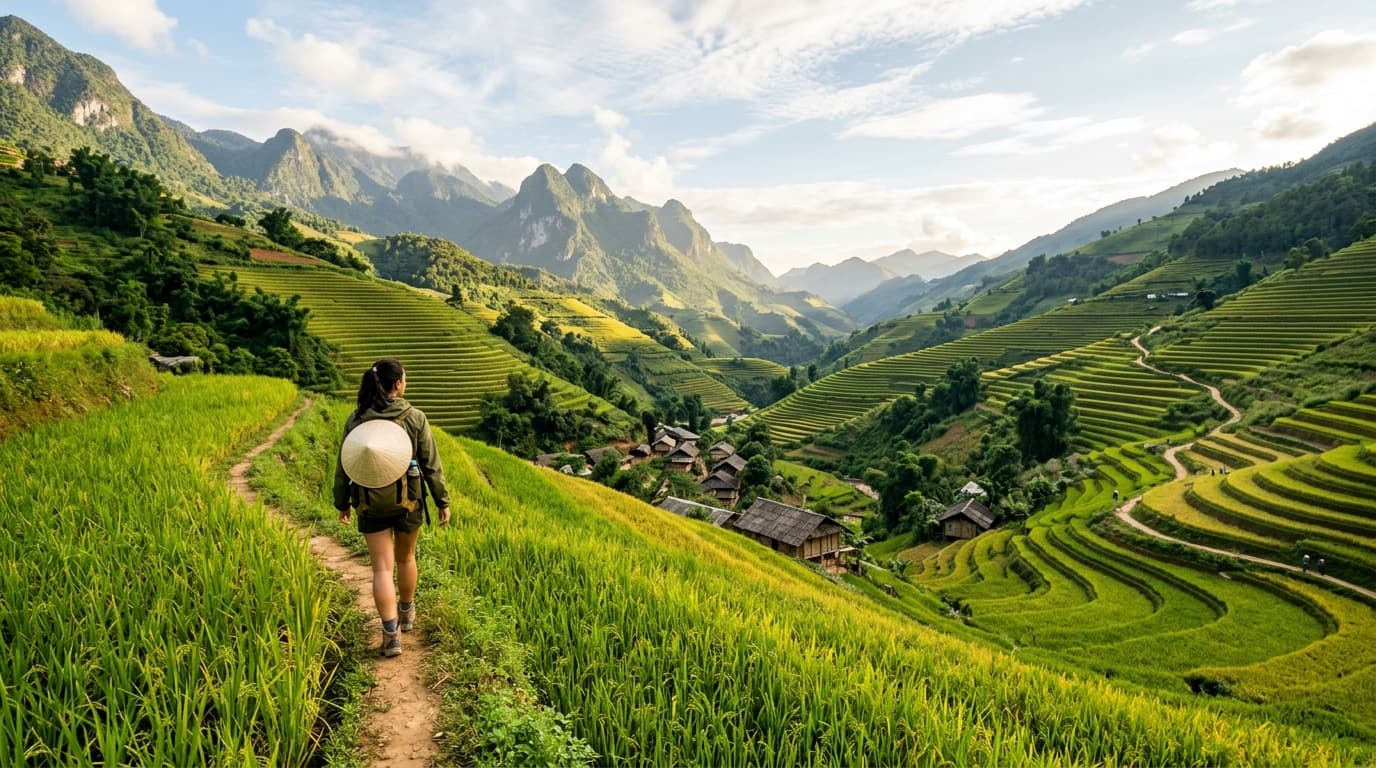
Trekking in Sa Pa: Which Route Is Best for You?
Compare Sa Pa trekking routes by difficulty, cost & experience. Find your perfect trek from easy day hikes to challenging multi-day adventures.
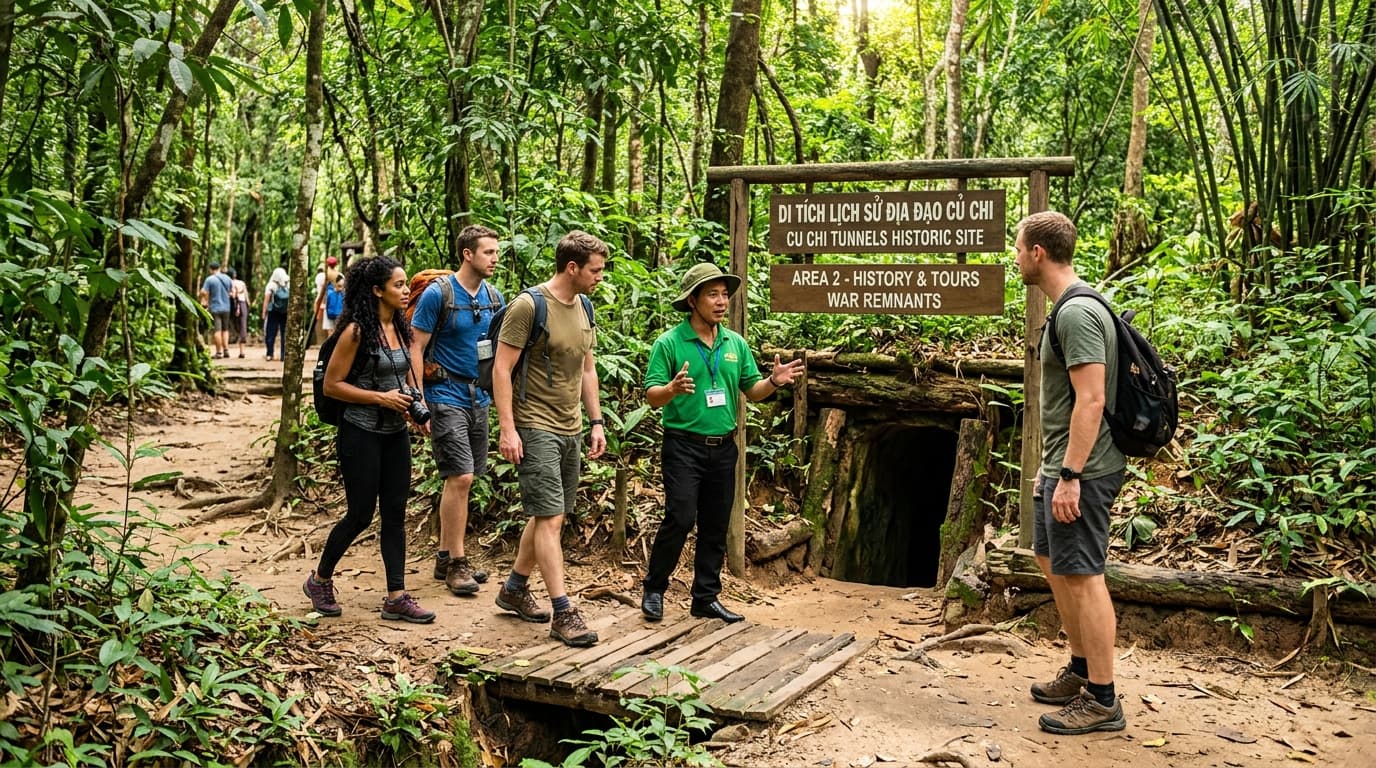
Cu Chi Tunnels from HCMC: History, Tours & Tips
Complete guide to Cu Chi Tunnels from HCMC: history, tour operators, prices, and insider tips for visiting Vietnam's most iconic war site.
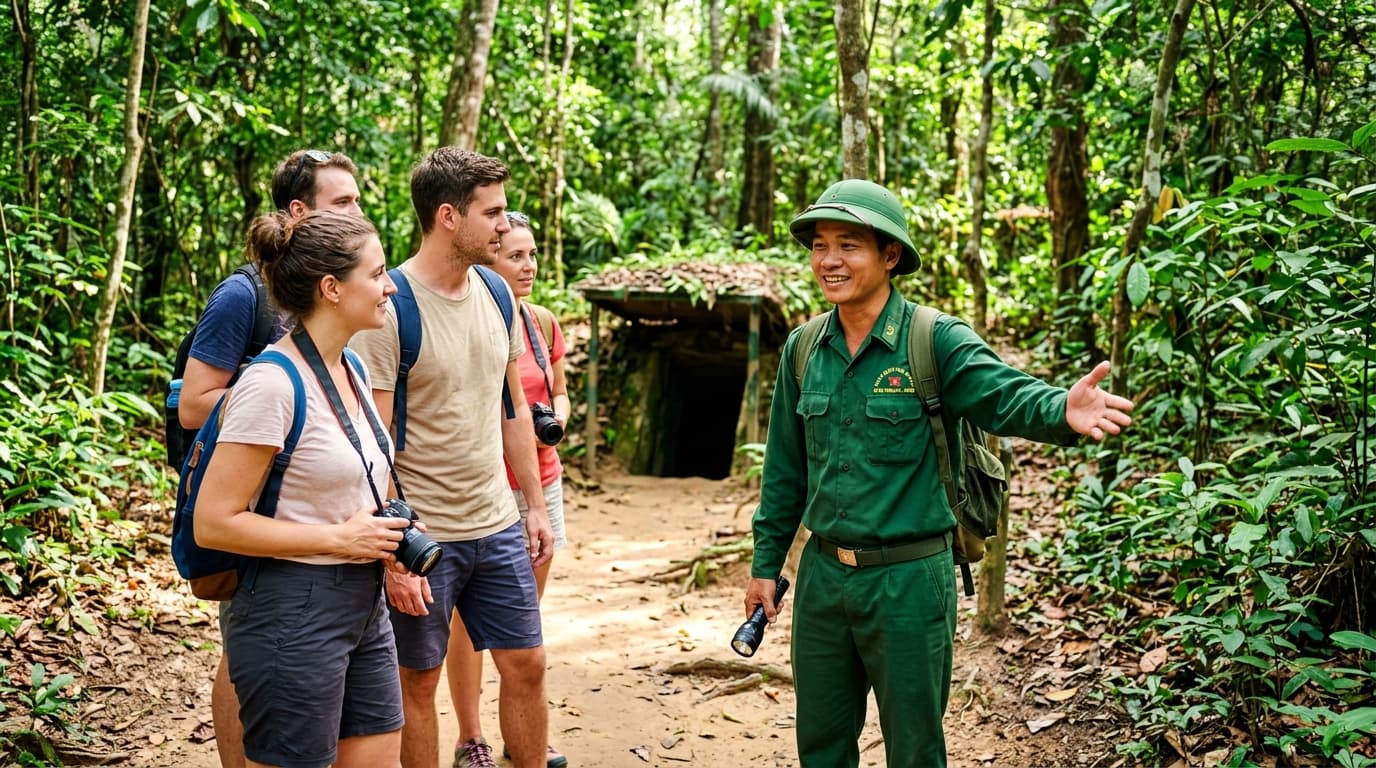
Cu Chi Tunnels from HCMC: History, Tours & Tips
Complete guide to Cu Chi Tunnels from HCMC: history, tour operators, prices, and insider tips for visiting Vietnam's most iconic war site.
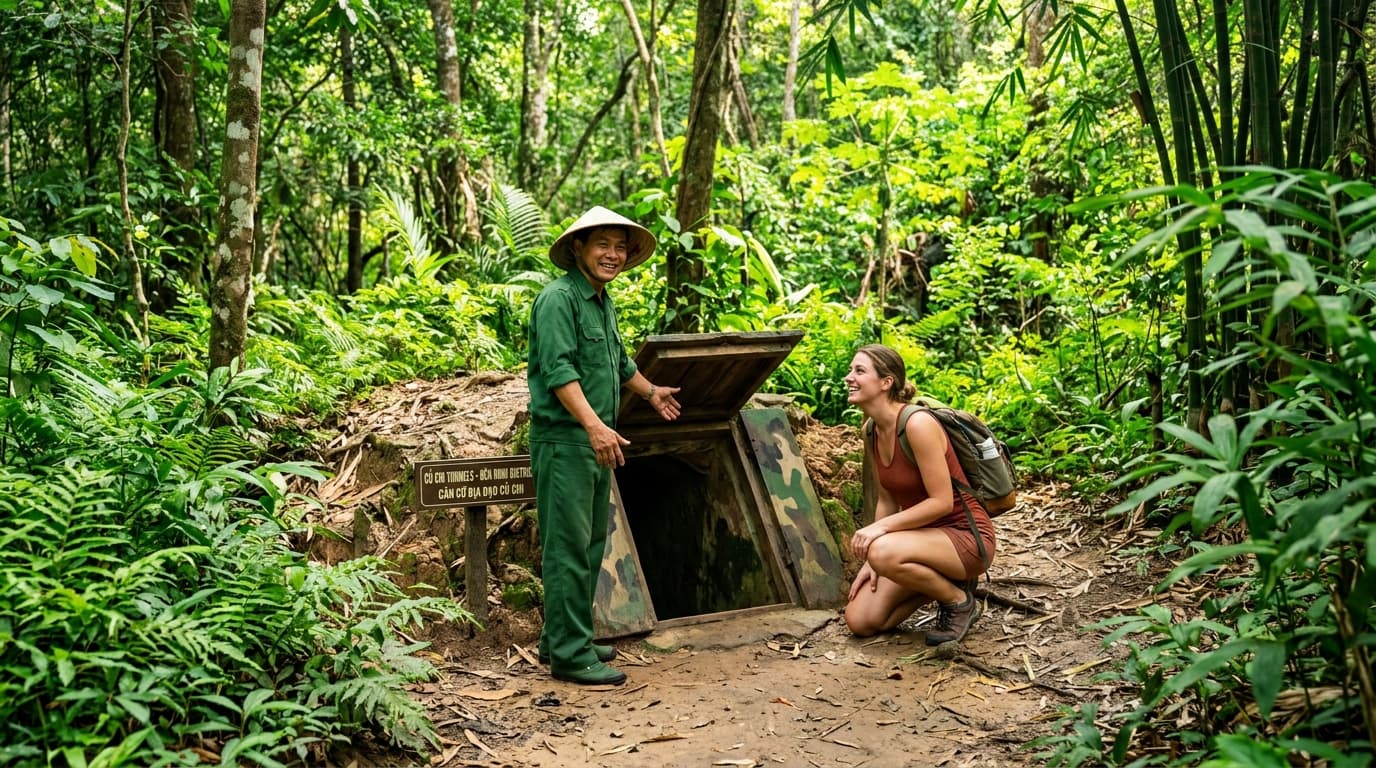
Cu Chi Tunnels from HCMC: Complete History, Tours & Visitor Guide
Explore Cu Chi Tunnels from HCMC: history, tour operators, prices, and insider tips for this essential Vietnam War site.
Plan Your Vietnam Trip
Book hotels, transport, activities, and get connected with an eSIM
Some links are affiliate links. We may earn a commission at no extra cost to you.