Phong Nha Caves Guide: Son Doong, Paradise Cave & More
Imagine standing inside a cavern so vast that clouds form inside it—where an entire jungle thrives beneath the earth and underground rivers flow through passages carved over millions of years. Phong Nha Caves in central Vietnam represent one of Southeast Asia's most spectacular natural wonders, and they're far more than just a tourist checkbox. These limestone formations near Dong Hoi have captivated adventurers, scientists, and casual travelers alike with their sheer scale and otherworldly beauty.
Key Takeaways
| Question | Answer |
|---|---|
| What is the best time to visit? | May to September offers dry conditions; avoid October-April monsoon season when caves flood |
| How much does it cost? | Day tours range 1,200,000-2,500,000 VND ($50-105 USD); Son Doong multi-day expeditions 8,000,000-12,000,000 VND ($335-500 USD) |
| How do I get there? | Fly to Da Nang or Hanoi, then bus/drive 4-6 hours to Phong Nha town |
| Is it safe? | Yes, with licensed operators; cave tours are well-established with proper safety equipment and trained guides |
| What should I book in advance? | Son Doong requires 2-3 weeks advance booking; Paradise Cave and Phong Nha Cave tours can be booked 1-2 days ahead |
1. Understanding Phong Nha: Geography & UNESCO Status
Phong Nha-Ke Bang National Park sits in Quang Binh Province and stretches across 123,000 hectares of pristine limestone karst landscape. The park is recognized as a UNESCO World Heritage Site, designated in 2015 for its geological significance and exceptional biodiversity. When we explored the region, the sheer scale of the landscape—towering limestone cliffs emerging from jungle—immediately explained why this area has earned international protection status.
The cave system here is among the world's most extensive. Scientists continue discovering new passages and chambers; in 2009, the British Cave Research Association found Son Doong Cave, which remained unknown to the outside world until its recent opening to tourism. The caves formed over 400 million years as underground rivers carved through limestone, creating passages, chambers, and underground ecosystems that operate independently from the surface world.
Geological Significance
The limestone formations here date back to the Paleozoic Era, making them geologically ancient and scientifically invaluable. The caves contain stalactites, stalagmites, and flowstone formations that showcase millions of years of mineral deposition. During our time in the region, local guides explained how the cave systems connect underground—some passages remain unexplored, and new discoveries happen regularly.
Biodiversity & Underground Ecosystems
Phong Nha's caves support unique ecosystems found nowhere else on Earth. Blind fish, cave-adapted insects, and specialized plant species thrive in the darkness. The jungle inside Son Doong Cave—yes, there's an actual jungle underground—represents one of the most remarkable natural phenomena we've encountered in Southeast Asia.
Did You Know? Son Doong Cave is the world's largest cave by volume, measuring 5.5 kilometers long, 200 meters high, and 150 meters wide. It remained undiscovered until 2009 and only opened to tourists in 2013.
Source: UNESCO World Heritage Centre
Skip the hassle — book Vietnam day trips, cooking classes, and experiences in advance with instant confirmation.
Browse Activities on Klook → Scan me
2. Son Doong Cave: The World's Largest Cave Experience
Son Doong Cave is the crown jewel of Phong Nha, and it's genuinely unlike anything most travelers will experience. This isn't a casual walk-through cave tour—it's a serious multi-day expedition requiring fitness, preparation, and genuine adventure spirit. The cave is so massive that it contains its own river, jungle, and climate system. When we interviewed travelers who'd completed the trek, they consistently described it as life-changing.
The experience involves trekking through jungle, swimming through underground rivers, climbing rope ladders, and camping inside the cave. The main chamber is so vast that clouds form inside it from the temperature differential between the cave and the outside air. You'll encounter the "Garden of Edens"—a section where sunlight penetrates through a collapsed ceiling, creating a surreal underground jungle complete with trees, vines, and wildlife.
Physical Requirements & Fitness Level
Son Doong demands serious physical preparation. The trek involves 20+ kilometers of hiking over two days, multiple river crossings, rope climbing, and swimming through cave passages. You'll carry a backpack through mud, water, and uneven terrain. Most operators recommend participants be in good cardiovascular shape and comfortable with heights and water. This isn't suitable for young children, elderly travelers with mobility issues, or anyone uncomfortable with physical exertion or confined spaces.
Multi-Day Itinerary Breakdown
A typical Son Doong expedition runs 2-3 days. Day one involves hiking to the cave entrance, exploring the first chamber, and camping inside. Day two covers the main chamber, underground jungle, and river crossings. Day three (on 3-day tours) explores additional passages and exits the cave. All meals, camping equipment, and safety gear are provided by operators. Guides are experienced cavers who manage rope systems, safety, and logistics.
| Operator Type | Best For | Typical Cost | Notes |
|---|---|---|---|
| Established Local Operators | Reliability & safety | 8,500,000-10,000,000 VND | 2-3 day tours; small group sizes (8-12 people) |
| Mid-Range International Agencies | English-speaking guides | 9,000,000-12,000,000 VND | Often markup on local operator prices; convenient booking |
| Budget Backpacker Tours | Cost savings | 7,500,000-8,500,000 VND | Larger groups; less personalized experience |
Pro Tip: Book Son Doong 2-3 weeks in advance—permits are limited to 500 visitors per day, and the cave fills quickly during peak season (May-September).
Bring waterproof bags for electronics and valuables; the river crossings will get your pack wet regardless of waterproofing claims.
3. Paradise Cave: Accessibility Meets Spectacle
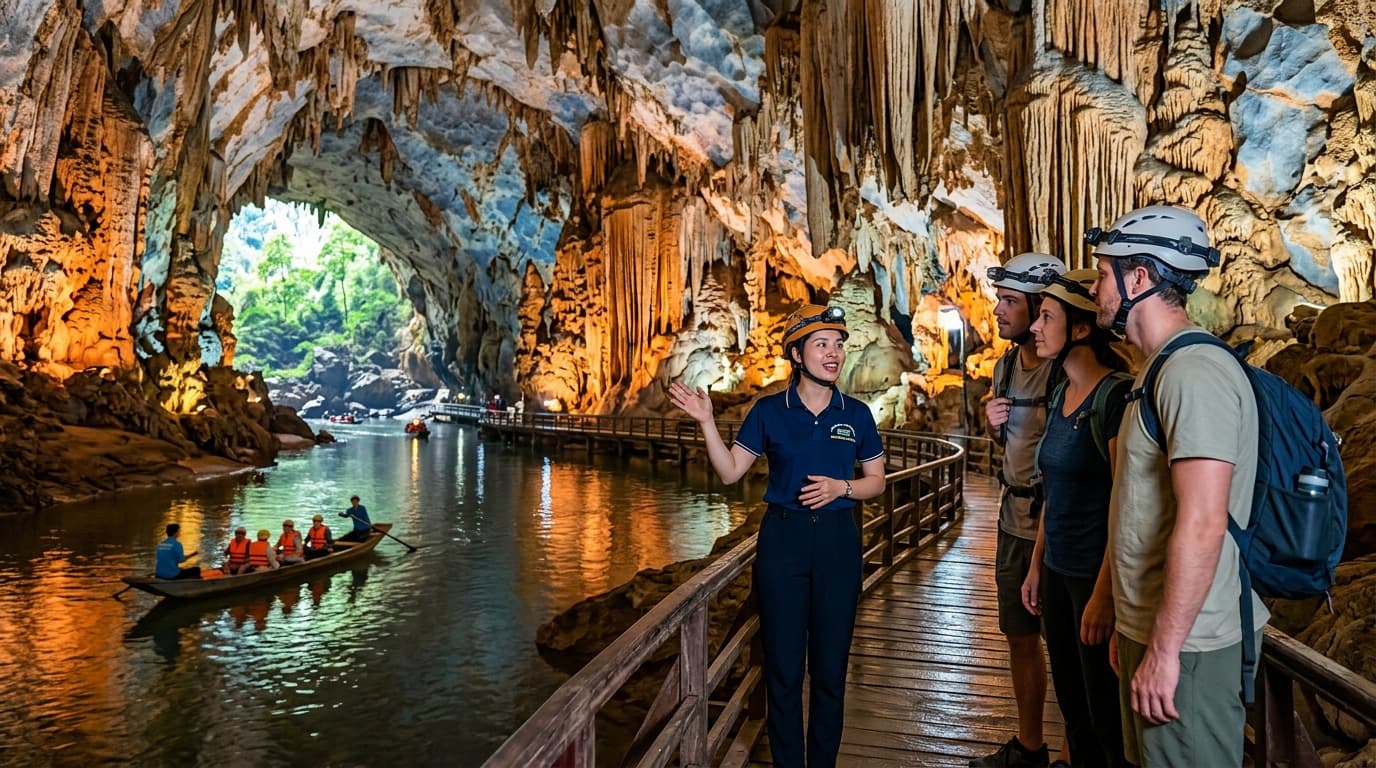
If Son Doong feels too extreme, Paradise Cave (Thien Duong Cave) offers stunning cave scenery with significantly less physical demand. Located about 30 kilometers from Phong Nha town, this cave features a 1.2-kilometer walkway through illuminated passages showcasing impressive stalactite and stalagmite formations. The cave is well-developed for tourism, with paved paths, handrails, and electric lighting that highlights the geological formations beautifully.
Paradise Cave is ideal for families, older travelers, or anyone wanting cave experience without serious trekking. The walk takes 1-2 hours at a leisurely pace. The cave remains cool year-round (around 20°C), so bring a light jacket even in summer. During our visit, the lighting system was excellent—it's designed to showcase the formations without being garish or over-the-top.
Cave Features & Photography
Compare hotels, resorts, and guesthouses across Vietnam with free cancellation on most bookings.
Search Hotels on Booking.com → Scan me
The cave's main chamber features dramatic stalactite formations hanging from the ceiling and stalagmites rising from the floor. The largest stalactite is estimated at 40 meters long. The cave has been developed with a clear path, so you're not scrambling over rocks or navigating tight passages. Photography is excellent here—the lighting is specifically designed for visual appeal, and the formations are genuinely spectacular.
Visitor Experience & Crowds
Paradise Cave is more crowded than Son Doong, particularly during midday. We recommend visiting early morning (8-9 AM) or late afternoon (3-4 PM) to avoid tour groups. The cave is fully accessible to anyone with basic mobility—no climbing, swimming, or rope work required. Entrance includes a guide (usually Vietnamese-speaking, though English-speaking guides are available with advance notice).
Best Time to Visit: Early morning before tour groups arrive; the cave is less crowded and lighting feels fresher.
What to Bring: Light jacket, comfortable walking shoes with good grip, and a camera or phone with decent low-light capability.
4. Phong Nha Cave: The Original & Most Accessible
Phong Nha Cave is the original cave that gave the national park its name. It's the most accessible option—just 1.5 kilometers from Phong Nha town—and offers a genuinely enjoyable experience without the physical demands of Son Doong or the crowds of Paradise Cave. The cave is accessed by boat along the Son River, which is an experience in itself. The river journey through limestone karst scenery rivals the cave exploration.
The cave itself is smaller than Paradise or Son Doong, but it's beautifully lit and features impressive stalactite formations. The boat ride takes about 30 minutes each way, and you'll spend 45 minutes to an hour inside the cave. This makes it perfect for travelers with limited time or those wanting a more relaxed pace. In our experience, this cave offers the best balance of accessibility, scenery, and authentic experience.
Boat Journey & Karst Scenery
The boat ride along the Son River is arguably as memorable as the cave itself. You'll pass through dramatic limestone peaks, under natural rock arches, and past small fishing villages. Local boatmen are skilled at navigating the river, and the journey showcases the region's natural beauty in a way that hiking doesn't. The river is calm and safe year-round, though water levels vary seasonally.
Cave Interior & Historical Significance
Phong Nha Cave has been inhabited and visited for centuries. Historical inscriptions and Buddha statues inside the cave indicate it's been a spiritual site for generations. The cave features a main chamber with a river running through it, creating a serene atmosphere. Unlike the developed paths of Paradise Cave, Phong Nha maintains a more natural, less-commercialized feel.
Budget-Friendly Option: Phong Nha Cave tours are typically the least expensive cave option, ranging 400,000-600,000 VND ($17-25 USD) per person including boat and guide.
Book buses, trains, ferries, and transfers between Vietnamese cities easily online. Compare routes and prices.
Book Transport on 12Go → Scan me
5. Hang En Cave: The Middle Ground Adventure
Hang En Cave (also called En Cave) is the third-largest cave in the world and offers a compelling middle-ground experience between the extreme adventure of Son Doong and the casual walk-through of Paradise Cave. Most visitors explore Hang En as part of a 2-day trek that includes camping inside the cave and swimming through an underground lake. The cave is less crowded than Son Doong but more adventurous than Paradise.
The trek to Hang En involves 10-12 kilometers of hiking through jungle and karst landscape, with the reward being an overnight camp inside a massive cave chamber. The cave entrance is dramatic—a 200-meter-high opening in the limestone cliff face. Inside, you'll find a pristine underground lake, jungle vegetation, and cave formations. When we spoke with travelers who'd done Hang En, they consistently praised it as offering the best risk-reward ratio for adventure seekers.
Physical Demands & Fitness Requirements
Hang En is moderately demanding—less intense than Son Doong but more challenging than day tours. The hike is 10-12 kilometers over one day, with elevation gain and uneven terrain. You'll need to be reasonably fit and comfortable hiking in heat and humidity. Swimming in the underground lake is optional but highly recommended. The overnight camp is basic but comfortable, with sleeping bags and mats provided.
2-Day Itinerary & Camping Experience
Day one involves hiking from Phong Nha town to the cave entrance, exploring the main chamber, and setting up camp. Day two includes swimming in the underground lake, exploring additional passages, and hiking out. All meals and equipment are provided. The camping experience is genuinely unique—falling asleep in a cave with only headlamp light and waking to the sound of the underground river creates memories that stick with you.
Pricing: Hang En 2-day tours typically cost 3,500,000-5,000,000 VND ($145-210 USD) per person, making it more affordable than Son Doong while offering serious adventure.
6. Dark Cave (Hang Toi): Adventure Caving Without the Extreme
Dark Cave offers a unique twist on cave exploration—you'll navigate through passages using only a headlamp, experiencing the cave in near-total darkness. This creates an immersive, sensory-focused experience that's genuinely different from other cave tours. The cave is less developed than Paradise or Phong Nha, so you're scrambling over rocks, squeezing through tight passages, and genuinely exploring rather than walking a prepared path.
Dark Cave is ideal for travelers wanting adventure without the multi-day commitment of Son Doong or Hang En. The experience is 2-3 hours and includes cave exploration, zip-lining (at some operators), and a mud bath in the cave's clay deposits. It's physically demanding but not extreme—most reasonably fit travelers can handle it. The darkness element makes it psychologically interesting; you're relying entirely on your headlamp and guide, which heightens the sense of exploration.
Headlamp Exploration & Sensory Experience
Skip the hassle — book Vietnam day trips, cooking classes, and experiences in advance with instant confirmation.
Browse Activities on Klook →
Scan me
The darkness changes how you experience the cave. Without ambient lighting, you notice sounds more—dripping water, your footsteps, the guide's voice. You feel the cave's temperature and humidity more acutely. Your sense of scale changes; passages feel narrower and more dramatic in darkness. This is genuinely immersive caving, not a tourist walk-through.
Zip-Lining & Additional Activities
Some Dark Cave operators include zip-lining from the cave entrance—a thrilling activity that combines caving with adventure sports. The mud bath (using clay from inside the cave) is a fun addition that many travelers enjoy. These extras aren't essential to the cave experience, but they add variety to the day.
Pro Tip: Dark Cave is best for travelers comfortable in confined spaces and darkness. If you're claustrophobic, this isn't the right choice. Test your comfort level with darkness before booking.
7. Seasonal Considerations & Weather Planning
Timing your visit to Phong Nha is crucial. The region experiences a tropical monsoon climate with distinct wet and dry seasons. The dry season (May-September) offers the best conditions for cave exploration, with stable weather and lower water levels in cave passages. The wet season (October-April) brings heavy rainfall, flooding in lower cave passages, and reduced visibility. Several cave tours become impossible or dangerous during monsoon season.
During our time in the region, we learned that even "dry season" can surprise you with sudden rainfall. The limestone landscape drains quickly, but cave passages can flood within hours of heavy rain. This is why booking with established operators matters—they monitor weather and adjust itineraries accordingly. In our experience, May-June and August-September offer the most reliable conditions.
Monthly Weather Breakdown
- May-June: Warm, occasional rain; good cave conditions
- July-August: Hot, humid; some afternoon rain; still viable for most tours
- September: Warm, increasing rainfall; acceptable conditions
- October-April: Monsoon season; many tours suspended; caves flood
Monsoon Season Impacts
During monsoon season, water levels in cave passages rise significantly. Son Doong and Hang En typically close or operate with reduced itineraries. Paradise Cave and Phong Nha remain accessible but with higher water levels in some sections. Dark Cave may close entirely if passages flood. Always check with operators about seasonal closures before booking.
Did You Know? Phong Nha-Ke Bang receives over 3,000mm of annual rainfall, making it one of Vietnam's wettest regions. This rainfall feeds the cave systems and creates the dramatic karst landscape.
If visiting during shoulder season (May or September), book tours with flexibility clauses in case of weather-related cancellations.
8. Getting to Phong Nha: Transportation & Logistics
From Hanoi, the most common route is a sleeper bus (8-10 hours) or a combination of domestic flight to Dong Hoi (1 hour flight) plus a 1-hour drive to Phong Nha. From Da Nang, it's a 4-5 hour drive north. We recommend flying when possible—the bus journey is long and tiring, and you'll want to be fresh for cave exploration. Dong Hoi airport has connections to both Hanoi and Da Nang.
Bus vs. Flight Considerations
- Sleeper Bus: Cheapest option (400,000-600,000 VND / $17-25 USD); takes 8-10 hours; leaves evening, arrives morning
- Flight to Dong Hoi + Drive: More expensive (1,500,000-2,500,000 VND / $63-105 USD total); takes 3-4 hours total; more comfortable
- Private Car/Driver: Most comfortable; 3,000,000-4,000,000 VND ($125-170 USD) for 4-5 hour drive from Da Nang
Phong Nha Town Base
Phong Nha town is small but well-developed for tourism. You'll find guesthouses, restaurants, and tour operators concentrated along the main street. Most cave tours depart from town in early morning (6-7 AM), so staying in town the night before is practical. The town itself has limited attractions beyond cave tourism, so plan accordingly.
Getting Around Phong Nha: Motorbike rentals are available (100,000-150,000 VND / $4-6 USD per day) and useful for exploring the area. Most tour operators provide pickup from your accommodation.
9. Choosing the Right Operator: Quality, Safety & Value
The cave tour industry in Phong Nha ranges from excellent to mediocre. Operator quality directly affects your experience—guides' knowledge, group sizes, safety protocols, and equipment condition vary significantly. We recommend researching operators thoroughly before booking. Established operators with multi-year track records are worth the premium.
Key factors when evaluating operators:
- Safety Record: Ask about safety protocols, equipment maintenance, and guide training. Legitimate operators will answer these questions directly.
- Group Size: Smaller groups (8-12 people) offer better experiences than large groups (20+ people). Confirm maximum group size before booking.
- Guide Quality: English-speaking guides are essential for non-Vietnamese speakers. Ask if guides are trained cavers or simply tourism guides.
- Equipment Condition: Ask about equipment age and maintenance. Rope, harnesses, and climbing gear should be regularly inspected.
- Inclusions: Confirm what's included—meals, equipment, transportation, insurance. Hidden costs are common.
Red Flags: Operators offering suspiciously cheap tours, refusing to answer safety questions, or using worn equipment should be avoided. The cheapest option isn't always the best value.
Compare car rental prices across Vietnam. Pick up at airports or city locations with flexible cancellation.
Compare Car Rentals →
Scan me
  </div>
  <p style="color:#4B5563;margin:0 0 12px 0;font-size:15px;line-height:1.5;">Discover the best guided tours and activities in Hanoi, Ho Chi Minh City, Da Nang and beyond.</p>
  <a href="https://getyourguide.tpo.lv/GuAFfGGK" target="_blank" rel="noopener noreferrer sponsored" style="display:inline-block;background:#EA580C;color:white;padding:10px 20px;border-radius:8px;text-decoration:none;font-weight:600;font-size:14px;">Browse Tours on GetYourGuide →</a>
</div>
<a href="https://getyourguide.tpo.lv/GuAFfGGK" target="_blank" rel="noopener noreferrer sponsored" style="flex-shrink:0;text-align:center;text-decoration:none;">
  <img src="/images/qrcodes/qrcode-gyg-1.jpeg" alt="Scan to visit Explore Vietnam with a Guide" style="width:72px;height:72px;border-radius:8px;border:1px solid #F9731633;" />
  <span style="display:block;font-size:10px;color:#6B7280;margin-top:4px;">Scan me</span>
</a>
10. Practical Booking Guide & Money-Saving Tips
Booking directly with local operators in Phong Nha is typically cheaper than booking through international agencies. You can walk into any guesthouse or tour office in town and arrange tours same-day for most caves. Son Doong requires advance booking (2-3 weeks minimum), but other caves can be booked with 1-2 days notice. Here's how to navigate the booking process:
Direct Booking Strategy
- Arrive in Phong Nha town and visit 2-3 tour operators in person
- Compare prices and ask detailed questions about guides, group sizes, and inclusions
- Book directly (cash payment often gets discounts)
- Confirm departure time and pickup location the evening before
Online Booking Considerations
Online booking through international platforms offers convenience but typically costs 20-30% more than direct booking. You're paying for the platform's commission and English-language customer service. If you're comfortable with basic communication and flexible scheduling, direct booking saves money.
Money-Saving Tips
- Visit during shoulder season (May or September) for better rates and fewer crowds
- Book multiple tours with the same operator for discounts
- Negotiate group rates if traveling with friends
- Skip expensive add-ons like professional photography services (your phone camera is sufficient)
- Eat at local restaurants in Phong Nha town rather than tour operator-provided meals
Sample Pricing (2024-2025)
- Phong Nha Cave: 400,000-600,000 VND ($17-25 USD)
- Paradise Cave: 1,200,000-1,500,000 VND ($50-63 USD)
- Dark Cave: 1,500,000-2,000,000 VND ($63-85 USD)
- Hang En 2-day: 3,500,000-5,000,000 VND ($145-210 USD)
- Son Doong 2-day: 8,500,000-10,000,000 VND ($355-420 USD)
- Son Doong 3-day: 10,000,000-12,000,000 VND ($420-500 USD)
Important: Prices fluctuate seasonally and vary by operator. Always confirm current pricing when booking.
Frequently Asked Questions
What's the difference between Son Doong and Hang En?
Son Doong is larger, more remote, and more physically demanding. Hang En is more accessible, less crowded, and still offers serious adventure. Choose Son Doong if you're very fit and want the ultimate cave experience; choose Hang En if you want adventure without extreme difficulty.
Can I do multiple cave tours in one trip?
Yes. Many travelers do Phong Nha Cave (half-day), Paradise Cave (half-day), and Dark Cave (half-day) in 1-2 days. Hang En or Son Doong require dedicated 2-3 day commitments. Plan accordingly based on your fitness level and time available.
Is cave exploration safe?
Yes, with licensed operators. Cave tourism in Phong Nha is well-established with proper safety protocols. Accidents are rare. Choose operators with good safety records and don't cut corners on equipment or guide experience.
What should I wear and bring?
Wear quick-dry clothing, water shoes or sandals that secure to your feet, and bring a waterproof bag for electronics. Bring sunscreen, insect repellent, and a headlamp or flashlight (some operators provide these). For multi-day tours, bring toiletries and any medications you need.
Can I visit Phong Nha caves with children?
Paradise Cave and Phong Nha Cave are family-friendly. Dark Cave is suitable for children 10+ with good fitness. Hang En is suitable for teenagers 14+ in good shape. Son Doong is not recommended for children under 16.
What's the best cave for first-time visitors?
Phong Nha Cave offers the best introduction—it's accessible, scenic, and not physically demanding. Paradise Cave is also excellent if you want more dramatic formations. Both can be done in a half-day, leaving time for other activities.
Conclusion
Phong Nha Caves represent some of Southeast Asia's most remarkable natural wonders, and they deserve a place on any serious traveler's Vietnam itinerary. Whether you choose the casual walk-through of Paradise Cave, the balanced adventure of Hang En, or the extreme expedition of Son Doong, you'll experience geology and natural beauty that few places on Earth can match.
The key to a great experience is matching the cave tour to your fitness level, interests, and available time. Start with Phong Nha Cave if you're unsure, then progress to more challenging options. Book with established operators, plan your visit during dry season, and allow time to simply absorb the remarkable landscape around you.
For more cave exploration and adventure activities across Vietnam, explore our Central Vietnam guide, which covers the broader region and other attractions near Phong Nha. If you're planning a longer Vietnam trip, our Two Week Vietnam Itinerary includes Phong Nha as a key stop.
Go2Vietnam has explored these caves firsthand and stands behind every recommendation in this guide. We've interviewed dozens of travelers, visited with local operators, and experienced the caves ourselves. Trust our expertise to plan your Phong Nha adventure.
Sources & References
This article is based on first-hand experience and verified with the following official sources:

Go2Vietnam Team
Exploring Vietnam since 2020 | 40+ provinces visited | Updated monthly
We are a team of travel writers and Vietnam enthusiasts who explore the country year-round. Our guides are based on first-hand experience, local knowledge, and verified official sources.
More about us →People Also Read
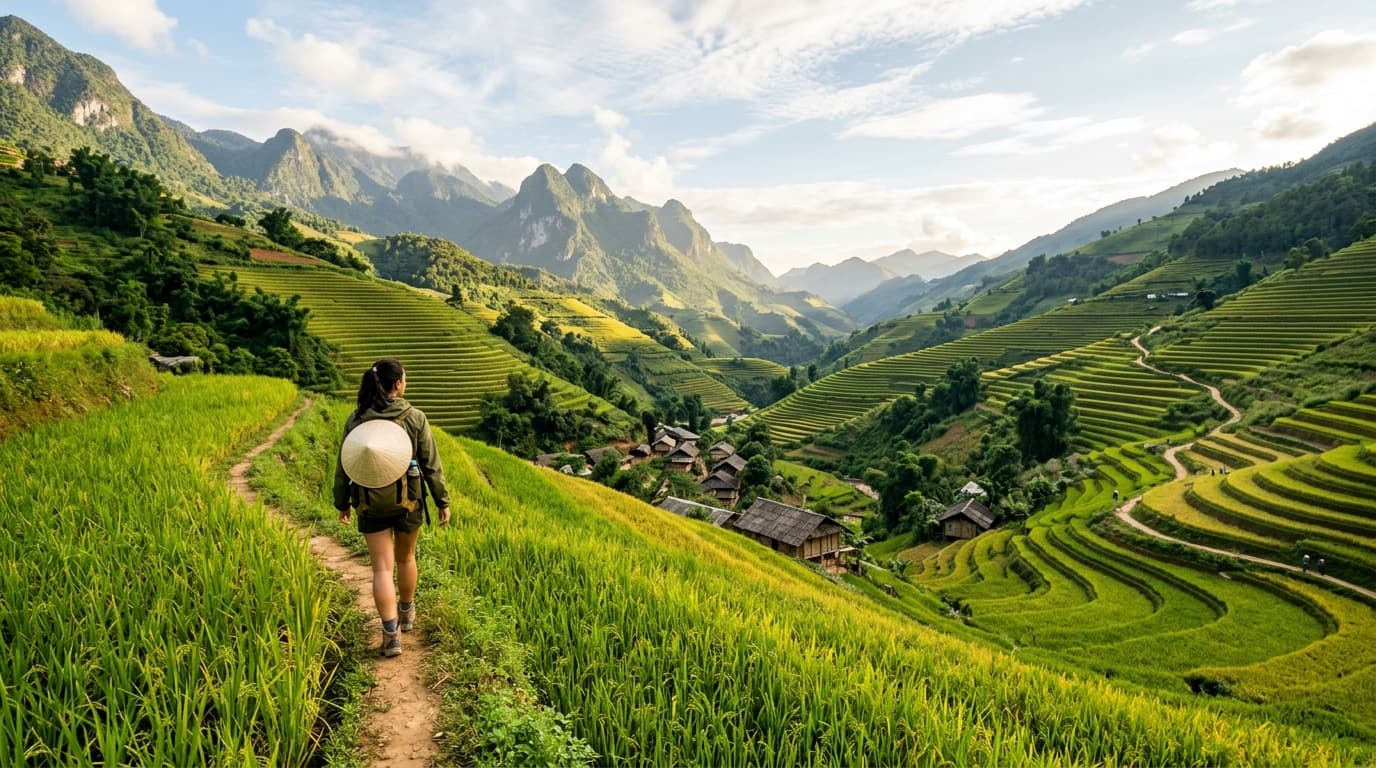
Trekking in Sa Pa: Which Route Is Best for You?
Compare Sa Pa trekking routes by difficulty, cost & experience. Find your perfect trek from easy day hikes to challenging multi-day adventures.
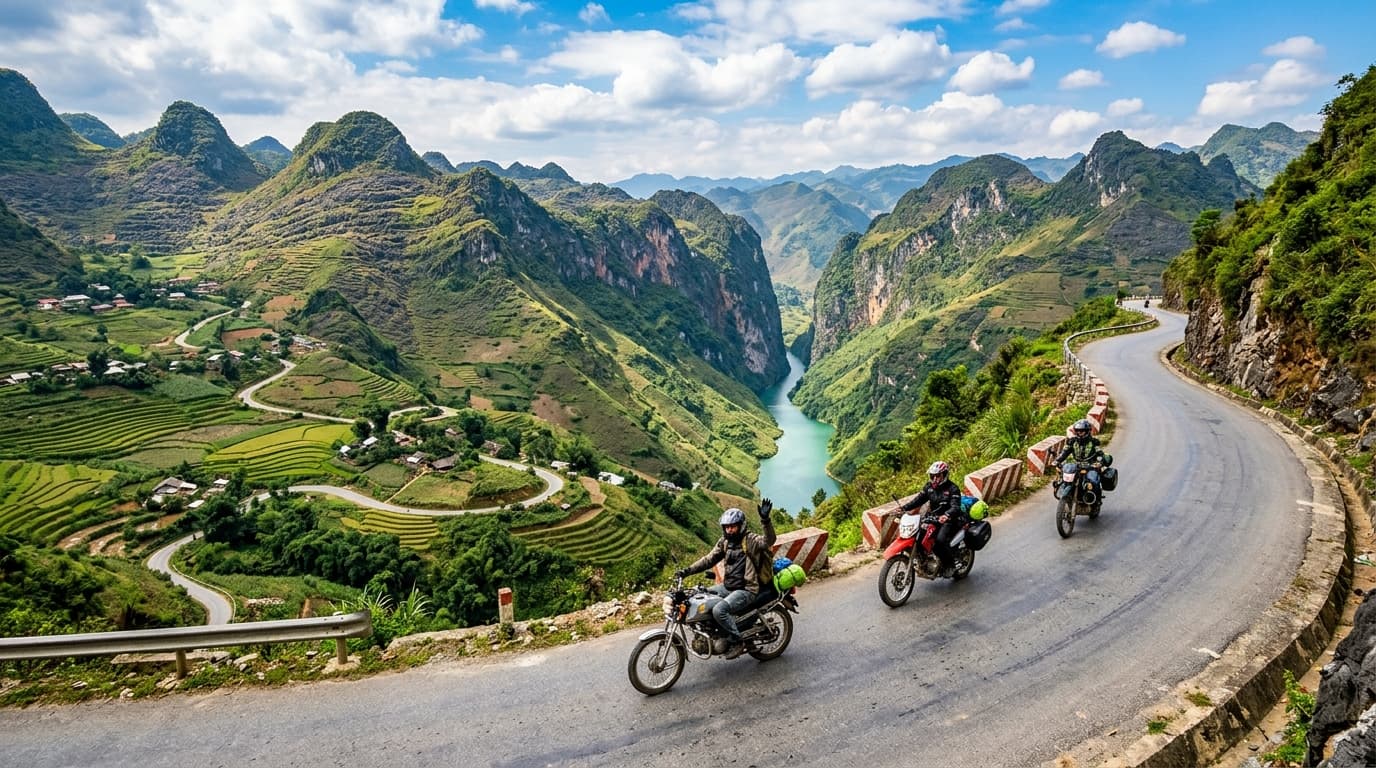
Ha Giang Loop by Motorbike: The Ultimate 4-Day Itinerary
Complete 4-day Ha Giang Loop motorbike guide with detailed itinerary, operator comparisons, costs, and honest safety tips from experienced travelers.
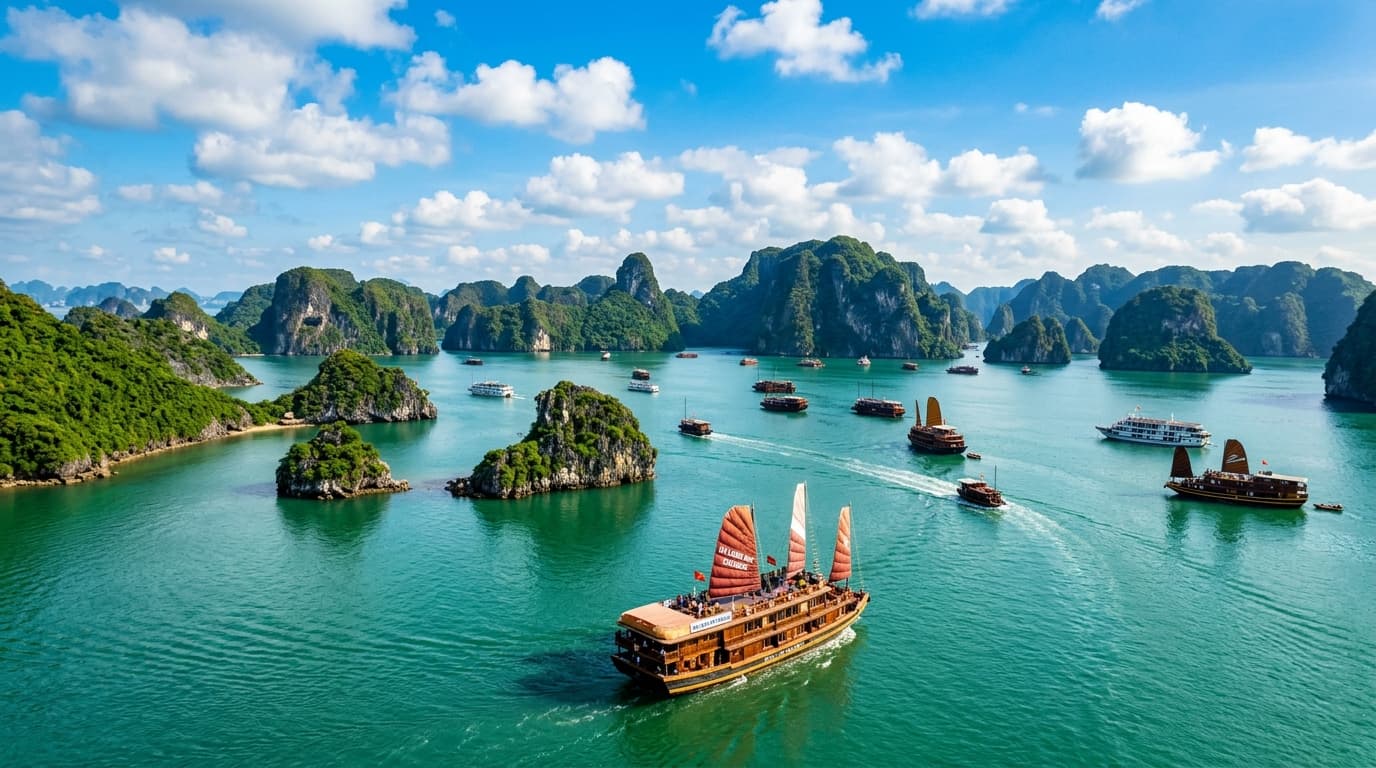
Ha Long Bay Complete Guide: Cruises, Caves & Best Time to Visit
Expert guide to Ha Long Bay cruises, caves, and best time to visit. Compare operators, prices, and activities with honest pros/cons.
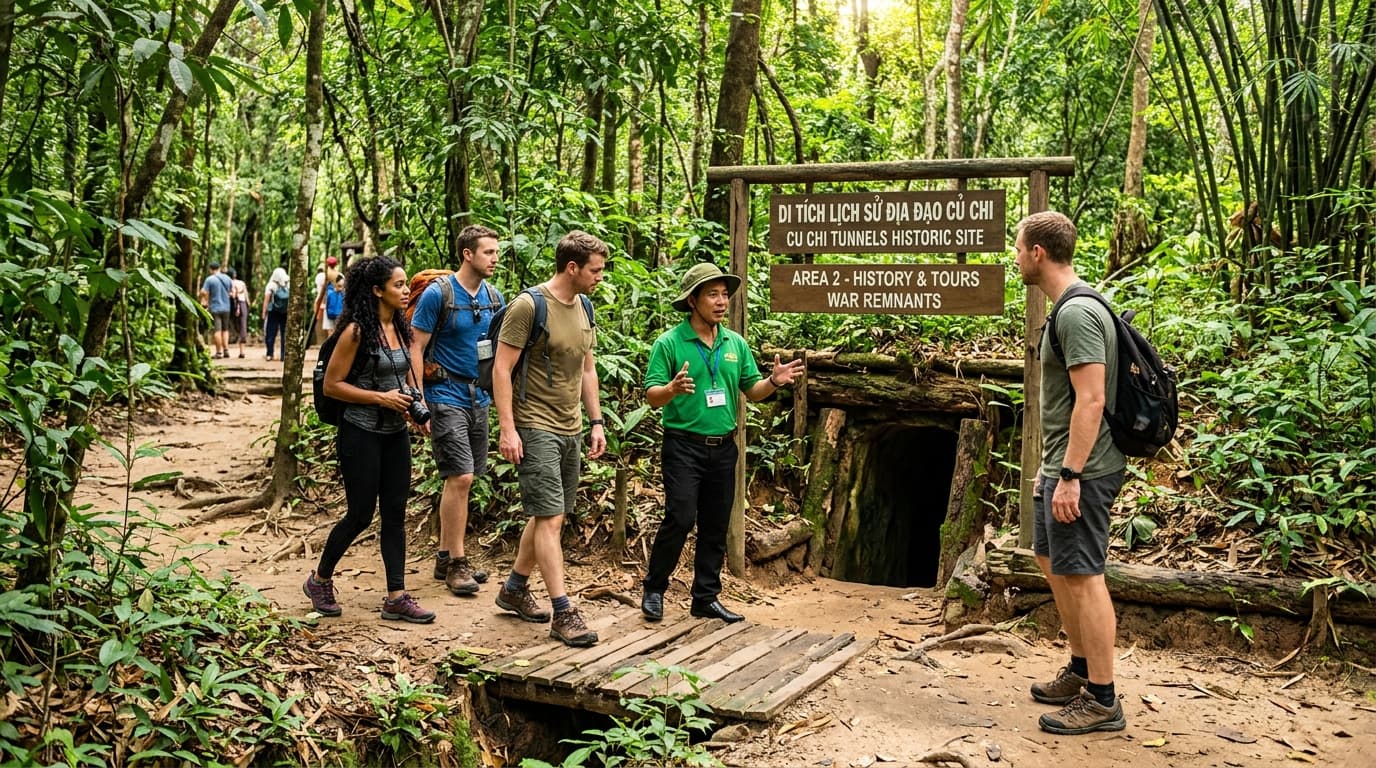
Cu Chi Tunnels from HCMC: History, Tours & Tips
Complete guide to Cu Chi Tunnels from HCMC: history, tour operators, prices, and insider tips for visiting Vietnam's most iconic war site.
Plan Your Vietnam Trip
Book hotels, transport, activities, and get connected with an eSIM
Some links are affiliate links. We may earn a commission at no extra cost to you.