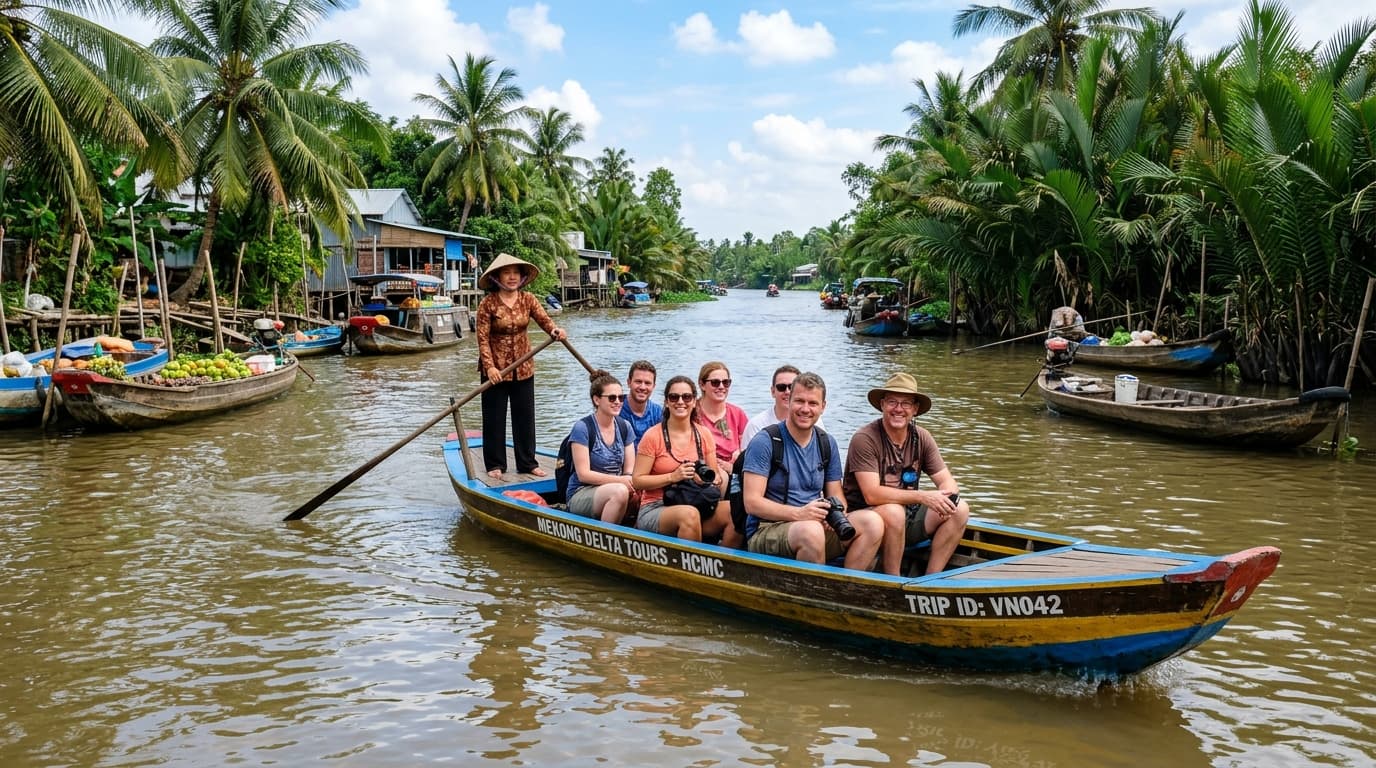
Mekong Delta Day Trip from Ho Chi Minh City: Best Tours & Activities Guide
A narrow wooden boat glides silently through emerald waterways as water hyacinth drifts past your shoulder. You're deep in the Mekong Delta day trip experience—one of Southeast Asia's most iconic journeys, and it's just an hour's drive from Ho Chi Minh City. The Mekong Delta isn't just a tourist box to tick; it's where Vietnam's agricultural soul beats, where floating markets bustle at dawn, and where you can taste life as it's been lived for centuries along these winding waterways.
Key Takeaways
| Question | Answer |
|---|---|
| What is the best time to visit? | November to January (dry season, cooler weather). Avoid September-October (monsoon season). |
| How much does it cost? | Budget tours: 300,000–600,000 VND ($12–24 USD). Premium tours: 1,000,000–2,500,000 VND ($40–100 USD). |
| How do I get there? | Hotel pickup from HCMC (most tours include this). 1–2 hour drive to delta entry points. |
| Is it safe? | Very safe. Boats are well-maintained, guides are experienced, and the delta region is stable. |
| What should I book in advance? | Book tours 1–2 days ahead, especially for floating market visits. Confirm pickup times the night before. |
| What's included in tours? | Boat rides, guide, meals (usually lunch), fruit tasting, and visits to local workshops. Check what's included before booking. |
| Do I need a passport? | No—the delta is within Vietnam. Bring ID and sunscreen instead. |
1. Why the Mekong Delta Matters: Beyond the Tourist Trail
The Mekong Delta is Vietnam's rice bowl—a labyrinth of 9 provinces covering 39,000 square kilometers where the Mekong River splits into countless tributaries before emptying into the South China Sea. When we explored the delta with local guides, what struck us wasn't just the scenery, but the rhythm of life: farmers harvesting rice at dawn, children paddling to school in wooden boats, and families tending fruit orchards that have fed Vietnam for generations.
This isn't a manicured theme park. It's a working landscape where tourism is secondary to survival. That's what makes it authentic—and why a day trip from Ho Chi Minh City offers such a visceral contrast to the city's chaos.
The Geography & Why It Matters
The delta's network of rivers, canals, and tributaries creates a unique ecosystem. The Mekong carries sediment from Cambodia and Laos, depositing it here and creating some of the world's most fertile farmland. This geography is why the delta produces 50% of Vietnam's rice and 90% of its aquaculture—facts that become real when you see them firsthand.
What Makes a Good Day Trip?
A quality Mekong Delta day trip balances three things: authentic experiences (not staged performances), manageable group sizes (under 15 people is ideal), and reasonable pacing (you're not being rushed between 8 stops in 10 hours). The best tours include a floating market visit, at least one canal boat ride, a local meal, and interaction with real delta communities—not just photo ops.
Did You Know? The Mekong Delta produces enough rice annually to feed 100 million people, yet it's sinking at a rate of 1–4 cm per year due to groundwater extraction and climate change.
2. Floating Markets: The Heart of Delta Life
Floating markets are the delta's most iconic attraction, and for good reason. Imagine hundreds of wooden boats laden with coconuts, mangoes, and dragon fruit, vendors calling out prices, and the smell of fresh produce mixing with diesel fuel. It's chaotic, colorful, and utterly alive.
The most famous market is Cai Rang (near Can Tho), which operates year-round and is best visited between 5:30–7:00 AM when activity peaks. Phong Dien market, smaller and less touristy, offers a more intimate experience. Both are included in most day trips, though timing varies by tour operator.
Cai Rang Floating Market
Cai Rang is the largest and most visited. Boats arrive before dawn, and the market reaches peak activity around 6:00–7:00 AM. Tours that start early (departing HCMC by 4:00–5:00 AM) catch this window. The advantage: authentic chaos and real trading. The downside: you'll be tired, and you'll share the market with dozens of other tour groups.
During our visit, we watched a vendor negotiate the price of 50 kg of mangoes in rapid-fire Vietnamese—a transaction that would take seconds but revealed the market's real purpose: wholesale trading, not tourism. Most visitors arrive after 7:00 AM, when the market is winding down and the energy has shifted.
Phong Dien Floating Market
Skip the hassle — book Vietnam day trips, cooking classes, and experiences in advance with instant confirmation.
Browse Activities on Klook → Scan me
3. Comparing Tour Operators: Budget vs. Premium
The Mekong Delta day trip market is crowded, and quality varies dramatically. We've researched dozens of operators—from backpacker hostels offering 300,000 VND tours to luxury companies charging 2,500,000 VND. Here's what separates them.
Budget Tours (300,000–600,000 VND / $12–24 USD)
Compare hotels, resorts, and guesthouses across Vietnam with free cancellation on most bookings.
Search Hotels on Booking.com → Scan me
Budget tours are real, and they work—if you manage expectations. You'll get a boat, a guide, and a floating market visit. Lunch is usually included (often a simple pho or rice dish at a local restaurant). Groups can be large (15–30 people), and the pace is fast.
Best Spot for Budget Tours: Hostels in District 1 (Pham Ngu Lao area) often partner with local operators. Saigon Backpackers and similar hostels offer reliable budget options.
Pro Tip: Budget tours often depart later (7:00–8:00 AM), so you'll miss the floating market's peak activity. If you book a budget tour, ask specifically about departure time and whether you'll arrive at the market before 7:00 AM.
Mid-Range Tours (600,000–1,200,000 VND / $24–48 USD)
Mid-range tours are the sweet spot for most travelers. Groups are smaller (8–15 people), guides are more experienced, and you get better meals. Many include visits to coconut candy workshops, fruit orchards, or bee farms—activities that add depth beyond just the floating market.
| Operator Type | Best For | Cost | Group Size | Highlights |
|---|---|---|---|---|
| Hostel-Booked Budget | Solo travelers, tight budgets | 300,000–500,000 VND | 15–30 | Floating market, basic lunch |
| Mid-Range Online | Couples, small groups | 700,000–1,000,000 VND | 8–12 | Floating market, local workshop, better meals |
| Premium Local | Quality-focused travelers | 1,200,000–2,500,000 VND | 4–8 | Private boat, gourmet lunch, artisan visits |
| Luxury Operators | High-end experience seekers | 2,500,000+ VND | 2–4 | Private guide, exclusive access, premium accommodation |
Premium Tours (1,200,000–2,500,000 VND / $48–100 USD)
Premium tours offer smaller groups, private or semi-private boats, better meals (sometimes cooked on the boat), and guides with deeper knowledge. You might visit artisan workshops, meet local families, or take a longer canal ride. The experience is less about ticking boxes and more about understanding the delta.
When we booked a premium tour through a local operator in Can Tho, our guide was a retired schoolteacher who'd lived in the delta for 50 years. He explained the crop rotation system, introduced us to a family making rice paper, and shared stories that no script could replicate. That's the premium difference.
Red Flags to Avoid
Avoid tours that promise "authentic" experiences at suspiciously low prices. Tours under 250,000 VND often cut corners on safety or rush you through experiences. Avoid operators that don't confirm pickup times 24 hours in advance—this suggests disorganization. Avoid tours with unclear itineraries—you should know exactly where you're going and what's included.
Book directly with established operators or through reputable online platforms rather than street touts. Ask for recent reviews and confirmation of group size before paying.
4. The Best Activities Beyond Floating Markets
While floating markets are the headline, the delta's real magic lies in its workshops, orchards, and waterways. A good day trip includes at least 2–3 of these experiences.
Coconut Candy & Rice Paper Workshops
In Ben Tre Province, coconut candy-making is a centuries-old craft. Tours typically include a visit to a family-run workshop where you'll watch (and sometimes help) make candy from fresh coconut. It's not glamorous—the kitchen is basic, the work is repetitive—but it's genuine.
Rice paper workshops are similar. You'll see women stretching rice batter on bamboo frames, drying it in the sun, and stacking it for sale. The skill is remarkable, and the pace is meditative. Many tours include a tasting of fresh rice paper with herbs and fish sauce.
Best Spot: Ben Tre Province (Mekong's western side) has the most established workshops. Tours from HCMC often include Ben Tre as a base.
Fruit Orchards & Sampling
The delta grows tropical fruits year-round: mangoes, custard apples, dragon fruit, and coconuts. Tours often include a visit to a family orchard where you can taste fresh fruit (often picked while you're there) and learn about seasonal harvests. This is one of the few activities that feels genuinely interactive rather than performative.
Pro Tip: Fruit quality varies seasonally. December–February is mango season; June–August is dragon fruit season. Ask your tour operator what's in season before booking.
Fishing & Boat Rides
Some tours include traditional fishing demonstrations (using nets or bamboo traps) or longer canal rides through quieter waterways. These activities are less touristy than floating markets and offer a slower pace. If you're not interested in shopping at the floating market, prioritize tours that include extended canal rides instead.
5. When to Go: Seasons & Weather
The Mekong Delta has two seasons: dry (November–April) and wet (May–October). Timing affects both weather and what you'll see.
Best Season: November to January
Dry season means cooler temperatures (25–28°C), lower humidity, and calm water. Floating markets are busier (more boats = more activity), and the landscape is lush but not waterlogged. This is peak tourist season, so tours are frequent and well-organized.
Shoulder Season: February to April
Still dry, but getting hotter (28–32°C). Fewer tourists than November–January, so tours are less crowded. Water levels drop slightly, which can affect boat access to some canals.
Wet Season: May to October
Avoid this period if possible. Heavy rains cause flooding, boats operate differently, and many tours reduce frequency. September–October is monsoon season—expect frequent rain and choppy water. That said, the landscape is at its greenest, and prices are lowest.
Did You Know? The Mekong Delta experiences tidal fluctuations of up to 1 meter, which affects water levels and boat access throughout the day. Morning visits to floating markets coincide with high tide, when boats can navigate more easily.
Source: Lonely Planet Vietnam
6. What to Eat: Mekong Delta Cuisine
The delta's food is defined by freshness and simplicity. Rice, fish, and tropical fruit are the foundations. A good day trip includes at least one meal featuring delta specialties.
Signature Dishes
Skip the hassle — book Vietnam day trips, cooking classes, and experiences in advance with instant confirmation.
Browse Activities on Klook →
Scan me
Hu tieu (tapioca noodle soup) is the delta's signature dish—light, aromatic, and usually made with pork or shrimp. Ca kho to (caramelized fish in clay pot) is richer and more indulgent. Banh xeo (sizzling crepes) are crispy and savory. Most tours include lunch at a local restaurant serving these dishes.
Fresh Fruit & Tropical Specialties
Beyond meals, you'll taste fresh fruit you've never encountered: rambutan, mangosteen, custard apple, and dragon fruit. These aren't available in most Western countries, and the delta is where they're grown. Eat them fresh—the difference between delta-fresh and market-bought is night and day.
Coffee & Local Drinks
The delta grows coffee, and local cafes serve strong, sweet ca phe sua da (iced coffee with condensed milk). Some tours include coffee tastings at small farms.
Bring cash (VND) for snacks and tips. Many small workshops and vendors don't accept cards. Budget 100,000–200,000 VND for incidentals.
7. Practical Logistics: Getting There & Staying Safe
Transportation from Ho Chi Minh City
Most day trips include hotel pickup from Ho Chi Minh City. Tours depart between 4:00 AM (for floating market visits) and 8:00 AM (for later starts). The drive to the delta takes 1–2 hours depending on traffic and your destination within the delta.
If you're not booking a tour, you can rent a motorbike or take a bus from Ben Thanh Market, but this requires navigation skills and isn't recommended for first-time visitors. Tours handle logistics, so you can focus on the experience.
Safety Considerations
The delta is very safe. Boats are regularly maintained, guides are experienced, and the region is stable. Wear a life jacket if offered (most tours provide them, though some travelers decline). The main risks are sun exposure and dehydration—bring sunscreen, a hat, and plenty of water.
What to Bring
- Sunscreen & hat: You'll be on water with no shade for hours.
- Cash (VND): For tips, snacks, and small purchases.
- Comfortable clothes: Quick-dry fabrics are ideal.
- Camera: Waterproof bag recommended.
- Insect repellent: Mosquitoes are present, especially at dawn.
- Medications: Bring any personal medications; pharmacies in the delta are basic.
Language & Communication
Most tour guides speak English. If you're booking independently, download a translation app. Locals in the delta are friendly but speak limited English—guides are essential for meaningful interaction.
Book buses, trains, ferries, and transfers between Vietnamese cities easily online. Compare routes and prices.
Book Transport on 12Go → Scan me
8. Honest Review: What Tours Get Wrong
After researching dozens of operators and speaking with travelers, we've identified common complaints. Here's what to watch for.
Staged Authenticity
Some tours take you to workshops that exist primarily for tourists, with performances rather than real work. The "local family" you meet might be paid to smile for photos. This isn't necessarily bad—it's tourism—but it's not authentic. If authenticity matters to you, book with operators who emphasize smaller groups and longer stays in one location.
Floating Market Timing
Many tours arrive at floating markets after 8:00 AM, when the real trading has ended and it's mostly tourists. If the floating market is your priority, confirm your departure time and arrival time at the market. Aim for 6:00–7:00 AM arrival.
Rushed Pacing
Tours that promise "see everything" in one day often deliver a blur. You'll visit 5–6 locations but spend 20 minutes at each. Choose tours with 3–4 stops instead, allowing time to absorb experiences.
Food Quality
Budget tour lunches are often mediocre. Mid-range and premium tours offer better meals, sometimes cooked fresh. If food matters to you, prioritize tours that emphasize culinary experiences.
9. Booking Your Tour: Step-by-Step Guide
Step 1: Decide Your Budget & Priorities
- Budget: 300,000–600,000 VND. Floating market, basic lunch, large group.
- Mid-Range: 700,000–1,200,000 VND. Floating market, workshop visits, better meals, smaller group.
- Premium: 1,200,000+ VND. Private/semi-private boat, gourmet lunch, deeper experiences.
Step 2: Choose Your Dates
Compare car rental prices across Vietnam. Pick up at airports or city locations with flexible cancellation.
Compare Car Rentals →
Scan me
Book 1–2 days in advance. Avoid booking the day-of—tours may be full, and you'll have less time to prepare. Confirm the weather forecast; if heavy rain is predicted, consider rescheduling.
Step 3: Research Operators
- Online platforms: Reputable booking sites have reviews and transparent pricing.
- Hostel recommendations: Budget-friendly and reliable, though less personalized.
- Local operators: Often offer better experiences but require direct communication.
Check recent reviews (within the last month) and look for comments about guide quality, group size, and timing.
Step 4: Confirm Details Before Booking
- Departure time: When will you be picked up?
- Itinerary: Exactly which locations will you visit?
- Inclusions: What's included (meals, guides, boat rides)?
- Group size: How many people?
- Cancellation policy: What if weather is bad?
Step 5: Reconfirm 24 Hours Before
Contact your operator to confirm pickup time and location. Provide your hotel address and phone number. Ask if there are any last-minute changes.
Step 6: Prepare & Depart
Wake up early (if your tour departs at 5:00 AM, be ready by 4:45 AM). Bring sunscreen, water, and cash. Have your hotel's business card handy so the driver can find you.
10. Beyond the Day Trip: Overnight & Multi-Day Options
If you have more time, consider staying overnight in Can Tho or Ben Tre. An overnight trip allows you to experience the delta at a slower pace, visit the floating market at dawn (rather than mid-morning), and explore quieter canals without time pressure.
Overnight in Can Tho
Can Tho is the delta's largest city and a good base. You can visit Cai Rang floating market at dawn, explore the city's riverside promenade, and take evening boat rides. Hotels range from budget (300,000 VND/night) to mid-range (800,000–1,500,000 VND/night).
Multi-Day Delta Exploration
Some operators offer 2–3 day tours that include overnight stays, visits to multiple provinces, and activities like cycling through rice fields or staying in homestays. These are more immersive but require more time and budget.
Frequently Asked Questions
How early do I need to wake up for a floating market tour?
Most floating market tours depart between 4:00–5:00 AM from Ho Chi Minh City. You'll need to be ready 15 minutes before pickup. It's early, but it's worth it to catch the market's peak activity.
Can I do a Mekong Delta day trip if I'm not a strong swimmer?
Yes. Life jackets are provided, and boats are stable. You won't be swimming—you'll be sitting in a boat. However, if you have anxiety about water, discuss this with your tour operator beforehand.
What if I get seasick?
The delta's waters are calm, especially in the dry season. Seasickness is rare. If you're prone to motion sickness, take medication before the tour and sit in the middle of the boat (less rocking).
Is it rude to take photos of people at the floating market?
Ask before photographing. Most vendors are used to tourists and don't mind, but it's respectful to ask. If someone declines, respect that. Avoid photographing children without explicit permission from a parent or guardian.
Can I visit the Mekong Delta without a tour?
Yes, but it's more complicated. You'll need to rent a motorbike or take a bus to Can Tho or Ben Tre, then arrange a boat independently. Tours handle logistics and provide context—they're worth the cost for first-time visitors.
What's the difference between Cai Rang and Phong Dien floating markets?
Cai Rang is larger, busier, and more touristy. Phong Dien is smaller and more intimate. Both are worth visiting if you have time; if you can only visit one, Cai Rang is the iconic choice.
Do I need to tip my guide?
Tipping isn't mandatory but is appreciated. 50,000–100,000 VND ($2–4 USD) is standard for a full-day tour if you're satisfied with the service.
Conclusion
A Mekong Delta day trip from Ho Chi Minh City is one of Vietnam's most rewarding experiences—not because it's exotic or Instagram-worthy, but because it's real. You'll see how millions of Vietnamese live, taste food grown in the soil beneath your feet, and understand why this region is Vietnam's agricultural heartland.
The key is choosing the right tour for your budget and priorities. Budget tours work if you manage expectations. Mid-range tours offer the best balance of authenticity and comfort. Premium tours deliver deeper experiences and smaller groups. Whatever you choose, book in advance, confirm details 24 hours before, and bring sunscreen.
For more inspiration on exploring South Vietnam, check out our Ho Chi Minh City guide and our tips on Vietnam on a budget.
Ready to book? Use the widgets above to compare tours, check availability, and read recent reviews. The delta is waiting.
The Go2Vietnam Team has spent years exploring Vietnam's regions, from the Mekong Delta to the mountains of Sapa. We write from genuine experience, not guidebooks. Trust our recommendations because we've lived them.
Sources & References
This article is based on first-hand experience and verified with the following official sources:

Go2Vietnam Team
Exploring Vietnam since 2020 | 40+ provinces visited | Updated monthly
We are a team of travel writers and Vietnam enthusiasts who explore the country year-round. Our guides are based on first-hand experience, local knowledge, and verified official sources.
More about us →People Also Read
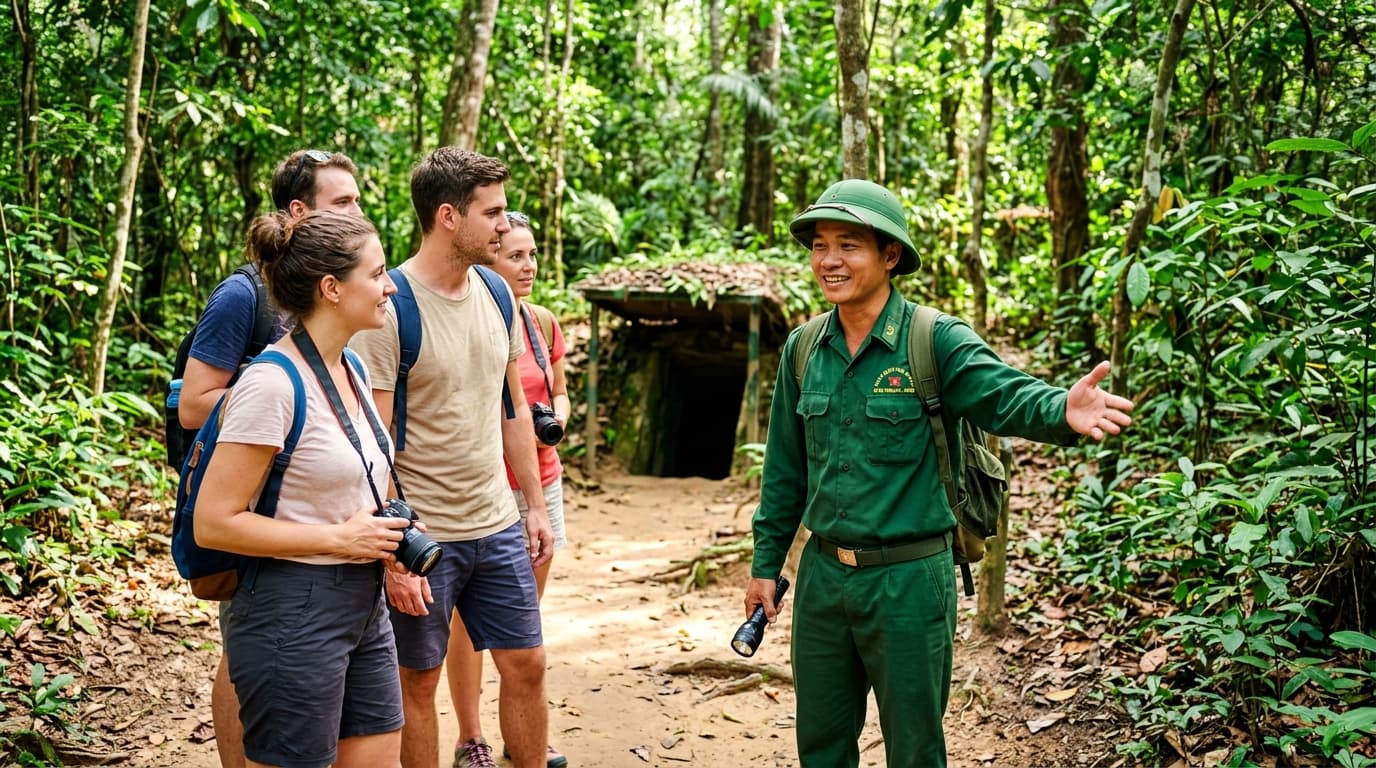
Cu Chi Tunnels from HCMC: History, Tours & Tips
Complete guide to Cu Chi Tunnels from HCMC: history, tour operators, prices, and insider tips for visiting Vietnam's most iconic war site.
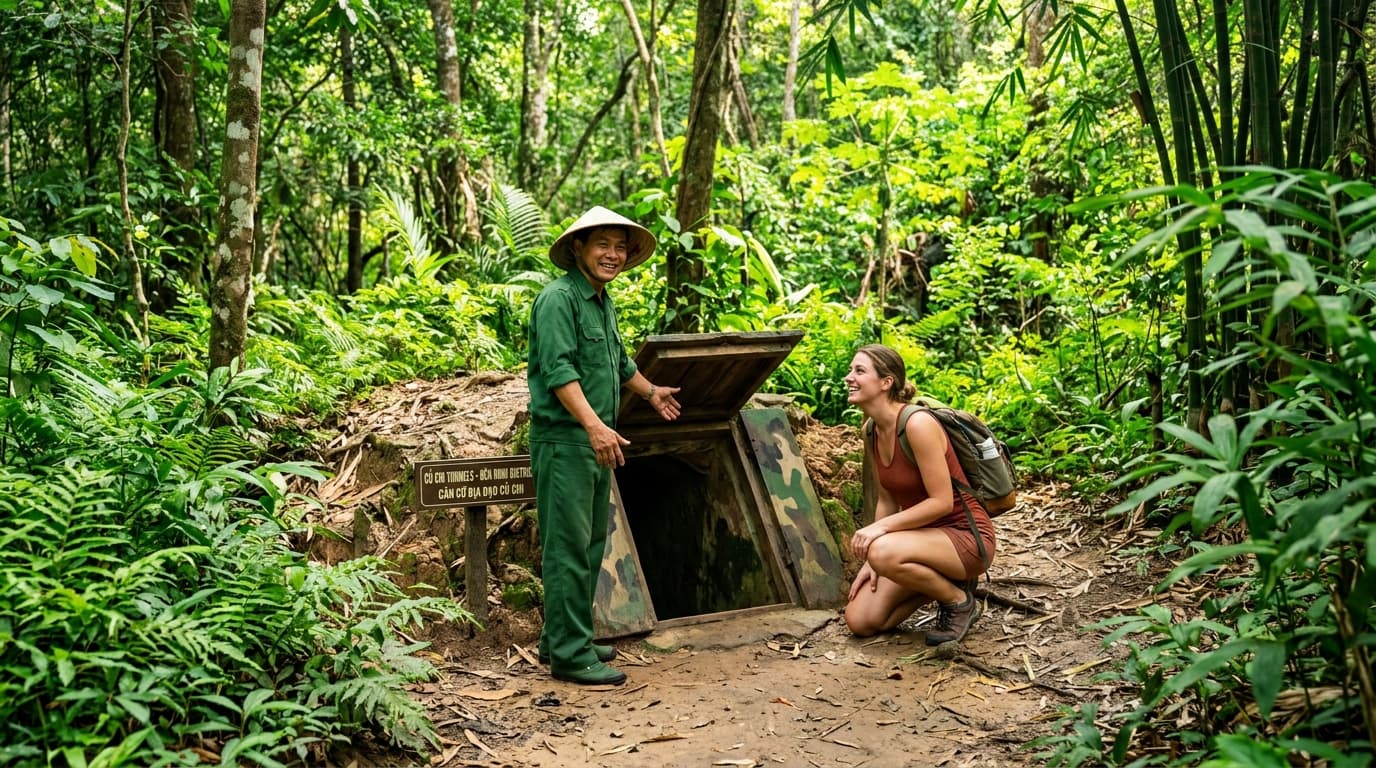
Cu Chi Tunnels from HCMC: Complete History, Tours & Visitor Guide
Explore Cu Chi Tunnels from HCMC: history, tour operators, prices, and insider tips for this essential Vietnam War site.
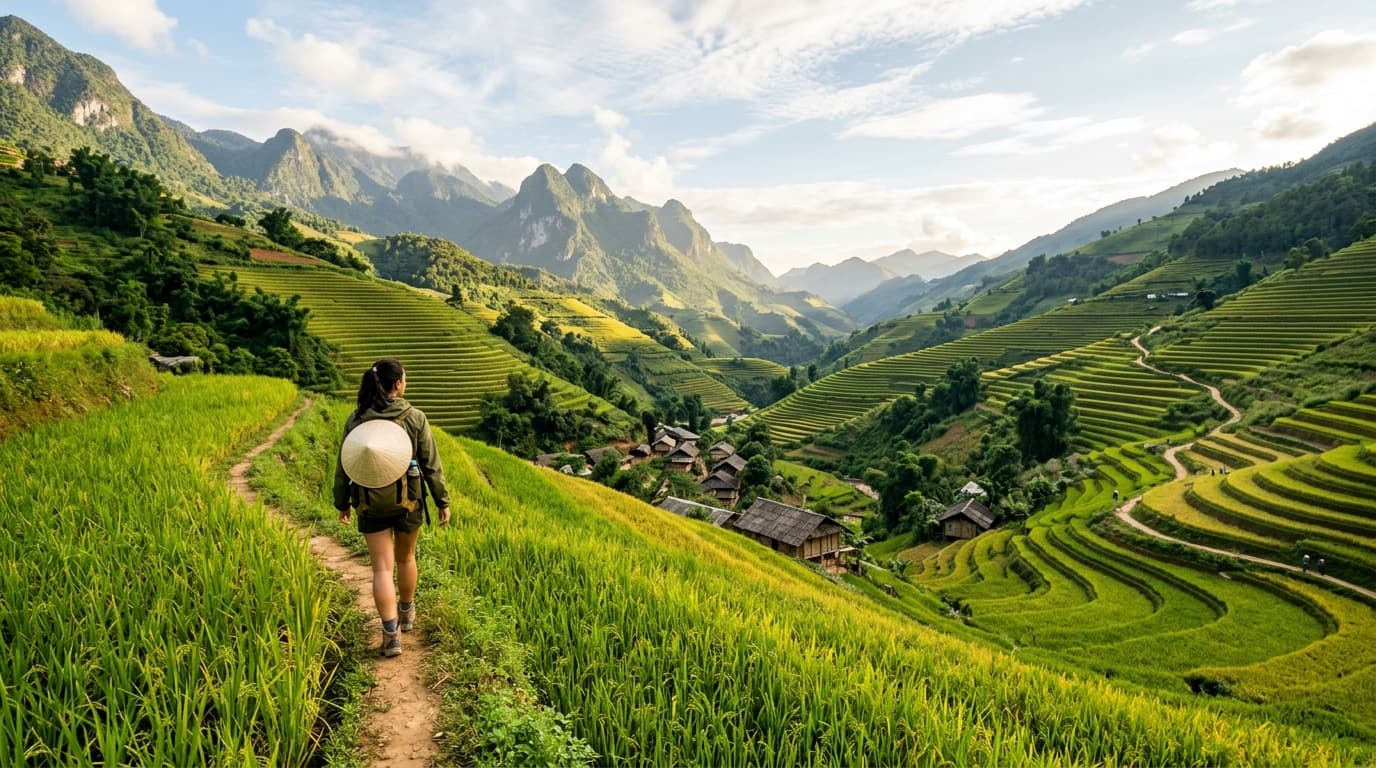
Trekking in Sa Pa: Which Route Is Best for You?
Compare Sa Pa trekking routes by difficulty, cost & experience. Find your perfect trek from easy day hikes to challenging multi-day adventures.
Cu Chi Tunnels from HCMC: History, Tours & Tips
Complete guide to Cu Chi Tunnels from HCMC: history, tour operators, prices, and insider tips for visiting Vietnam's most iconic war site.
Plan Your Vietnam Trip
Book hotels, transport, activities, and get connected with an eSIM
Some links are affiliate links. We may earn a commission at no extra cost to you.