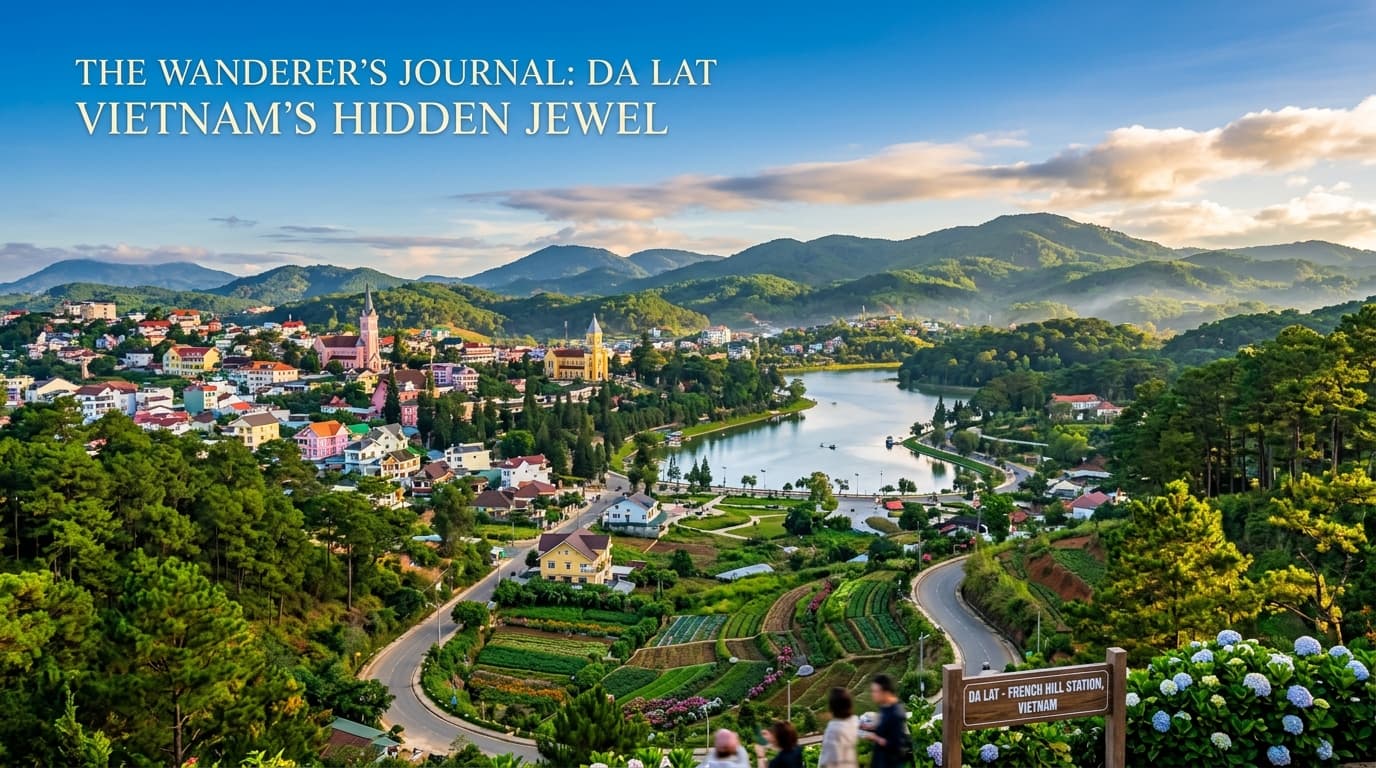
Da Lat: Vietnam's French Hill Station in the Central Highlands
At 1,500 meters above sea level, Da Lat feels like stepping into a different Vietnam altogether—one where the air is cool, the streets are lined with pine trees, and colonial-era villas peek through morning mist like something from a European storybook. This French hill station in the Central Highlands was built by the French as an escape from the tropical heat, and over a century later, it remains Vietnam's most enchanting mountain retreat.
Key Takeaways
| Question | Answer |
|---|---|
| What is the best time to visit? | November to April (dry season, cooler temps 15–20°C). Avoid May–October monsoon season. |
| How much does it cost? | Budget: 300,000–500,000 VND/day; Mid-range: 500,000–1,000,000 VND/day; Splurge: 1,000,000+ VND/day |
| How do I get there? | Fly to Da Lat Airport (DLA) from Ho Chi Minh City (1 hour) or take a bus (6–7 hours). Train not available. |
| Is it safe? | Very safe. Low crime, friendly locals, excellent tourist infrastructure. Standard precautions apply. |
| What should I book in advance? | Hotels during peak season (Dec–Feb); cooking classes and tours 1–2 days ahead. |
| What's the vibe? | Romantic, peaceful, artistic. Perfect for couples, solo travelers, and those seeking respite from Vietnam's chaos. |
| How long to stay? | 2–3 days minimum; 4–5 days ideal to explore neighborhoods and day trips. |
1. Understanding Da Lat: History & Character
Da Lat was founded in 1897 by French colonist Alexandre Yersin as a hill station for French administrators and wealthy colonists seeking relief from Vietnam's sweltering lowlands. The city's name comes from the Lat people, an ethnic minority who inhabited the area. What began as a retreat evolved into a thriving colonial town with villas, gardens, and a distinctly European aesthetic that persists today.
When we visited Da Lat during the cool season, the atmosphere felt almost dreamlike—misty mornings, pine-scented air, and a slower pace of life that contrasts sharply with the energy of Ho Chi Minh City or Hanoi. The city has become a haven for artists, photographers, and travelers seeking romance and tranquility. Its reputation as Vietnam's "City of Eternal Spring" is well-earned; the climate here is mild year-round, making it an ideal escape.
Colonial Architecture & French Influence
The French colonial legacy is impossible to miss. Pastel-colored villas with shuttered windows, wrought-iron gates, and manicured gardens line the hillsides. Many of these buildings have been converted into hotels, cafés, and galleries, preserving the aesthetic while adapting to modern tourism. The city center retains a distinctly European feel, with tree-lined avenues and a central market that wouldn't look out of place in a provincial French town.
Modern Da Lat: Art, Romance & Escape
Today's Da Lat attracts a diverse crowd: honeymooners seeking romantic getaways, backpackers escaping the beach circuit, artists drawn to the creative community, and Vietnamese families enjoying weekend retreats. The city has developed a thriving café culture, with specialty coffee shops, art galleries, and boutique hotels opening regularly. Yet it remains refreshingly low-key compared to other Vietnamese destinations.
Did You Know? Da Lat's elevation of 1,500 meters makes it Vietnam's highest city, and its cool climate allows it to grow strawberries, avocados, and flowers—crops impossible to cultivate in Vietnam's lowlands.
2. Neighborhoods & Districts: Where to Explore
Da Lat is compact and walkable, with distinct neighborhoods that each have their own character. Understanding these areas will help you navigate and choose where to base yourself.
Central District (Trung Tâm)
The heart of Da Lat revolves around Hoan Kiem Lake (Xuan Huong Lake), a scenic artificial lake created in 1923. The lake is surrounded by a pleasant walking path, parks, and the central market. This is where you'll find most restaurants, shops, and mid-range hotels. The area is lively but not overwhelming, with a good balance of tourist infrastructure and local life.
Best spots in Central District:
- Xuan Huong Lake: Perfect for morning walks, sunset views, and people-watching
- Da Lat Central Market (Cho Da Lat): Colorful, authentic, and excellent for fresh produce, flowers, and local snacks
- Dalat Flower Gardens: Adjacent to the market, showcasing the region's famous flowers
- Hang Nga Guesthouse (Crazy House): Quirky, surreal architecture that's become an Instagram sensation
Old Quarter & French Villas
North of the central lake, the Old Quarter is where Da Lat's colonial charm is most concentrated. Narrow streets wind through residential areas dotted with vintage villas, many now converted into boutique hotels and cafés. This neighborhood is quieter and more atmospheric than the center, perfect for wandering and photography.
During our time exploring here, we discovered hidden cafés in converted villas, street art tucked into alleyways, and locals going about their daily lives largely unaffected by tourism. It's the Da Lat that feels most authentically preserved.
Compare hotels, resorts, and guesthouses across Vietnam with free cancellation on most bookings.
Search Hotels on Booking.com → Scan me
Thac Voi (Elephant Waterfall) Area
South of the city center, this neighborhood is known for outdoor activities and adventure tourism. It's where you'll find trekking operators, adventure sports outfitters, and guesthouses catering to the backpacker crowd. The area is more spread out and less walkable than central Da Lat, but it's the gateway to nature-based experiences.
3. Top Sights & Attractions
Da Lat's attractions blend colonial heritage, natural beauty, and quirky modern additions. Here's what shouldn't be missed:
Hang Nga Guesthouse (Crazy House)
Compare hotels, resorts, and guesthouses across Vietnam with free cancellation on most bookings.
Search Hotels on Booking.com →
Scan me
This surreal, organic-architecture mansion is Da Lat's most photographed attraction. Designed by architect Dang Viet Nga, it looks like something from a fairy tale—with tree-trunk pillars, cave-like rooms, and winding staircases that seem to defy logic. While it functions as a guesthouse, day visitors can tour the public areas for a small fee. It's touristy, yes, but genuinely unique and worth an hour of your time.
Dalat Cathedral (Nha Tho Da Lat)
Perched on a hilltop overlooking the city, this pink-and-white Gothic cathedral was completed in 1942. The architecture is striking, and the views from the surrounding area are excellent. The cathedral remains an active place of worship, so visit respectfully. Early morning or late afternoon light is best for photography.
Xuan Huong Lake & Surrounding Parks
The lake itself is the city's focal point. A 7-km walking/cycling path circles it, offering views of pine forests, gardens, and the city skyline. The lakeside parks are perfect for picnics, jogging, or simply sitting with a coffee and watching the world go by. We recommend visiting at sunset when the light turns golden and the mist begins to roll in.
Thien Vien Truc Lam (Truc Lam Zen Monastery)
Perched on a hillside overlooking the valley, this Buddhist monastery is one of Da Lat's most serene spots. The temple complex is beautifully designed with traditional architecture, and the surrounding gardens and walking paths are peaceful. A cable car runs from the valley floor to the monastery, offering scenic views. It's a spiritual place, so dress respectfully and maintain quiet.
Skip the hassle — book Vietnam day trips, cooking classes, and experiences in advance with instant confirmation.
Browse Activities on Klook → Scan me
Datanla Waterfall & Adventure Park
Located about 5 km from the city center, this waterfall is surrounded by a small adventure park with zip-lining, a bobsled track, and hiking trails. It's a fun, accessible outdoor activity. The waterfall itself is modest, but the surrounding forest and activities make it worthwhile. Best visited in the morning to avoid crowds.
Must-see attractions summary:
- Architectural quirk: Hang Nga Guesthouse for surreal design and Instagram moments
- Spiritual retreat: Truc Lam Zen Monastery for peace and panoramic views
- Historical landmark: Dalat Cathedral for colonial architecture and city vistas
- Nature escape: Thien Vien Truc Lam or Datanla Waterfall for forest immersion
- Leisurely activity: Xuan Huong Lake walk for sunrise or sunset
4. Where to Eat: Da Lat's Food Scene
Da Lat's culinary identity is shaped by its cool climate and French heritage. The city is known for fresh vegetables, strawberries, avocados, and a surprising number of excellent cafés. The food here is lighter and fresher than in Vietnam's lowlands, with less reliance on heavy broths and more emphasis on vegetables and herbs.
Local Specialties
Da Lat Vegetables: The cool climate allows for cultivation of vegetables rare elsewhere in Vietnam—artichokes, asparagus, tomatoes, and leafy greens feature prominently in local cuisine. Many restaurants highlight these in simple, fresh preparations.
Strawberries & Avocados: Da Lat is famous for these fruits. You'll find them fresh at markets, in desserts, and in smoothies. The strawberries are particularly good from November to March.
Cơm Lam (Bamboo Rice): A specialty of the Central Highlands, this sticky rice is cooked inside bamboo segments, giving it a subtle bamboo flavor and aroma.
French Influences: Pâtés, fresh bread, and cheese appear on menus throughout the city, a legacy of colonial times. Several restaurants serve French-Vietnamese fusion cuisine.
Where to Eat
Breakfast & Cafés: When we visited, we found that Da Lat's café culture is exceptional. Specialty coffee shops line the streets, many in charming colonial villas. Try Ca Phe Sua Da (iced milk coffee) at any café—the coffee here is excellent. Cafés often serve fresh pastries, avocado toast, and fruit smoothies.
Lunch & Dinner: The central market area and streets around Xuan Huong Lake are packed with restaurants ranging from street stalls to upscale dining. Most menus feature fresh local vegetables, grilled meats, and seafood. Prices are reasonable—expect to pay 50,000–150,000 VND for a meal at a casual restaurant, 200,000–400,000 VND at mid-range establishments.
Cooking Classes: Several guesthouses and cooking schools offer half-day or full-day cooking classes focusing on Da Lat specialties. These are excellent ways to learn about local ingredients and techniques while supporting local businesses.
| Restaurant Type | Best For | Price Range | Notes |
|---|---|---|---|
| Street stalls & markets | Budget dining, authentic experience | 30,000–80,000 VND | Lunch-focused, closes by evening |
| Casual local restaurants | Everyday meals, local food | 80,000–150,000 VND | Good value, friendly service |
| Mid-range cafés & bistros | Leisurely meals, coffee, ambiance | 150,000–300,000 VND | Often in colonial villas, good for lingering |
| Upscale restaurants | Special occasions, fusion cuisine | 300,000–600,000 VND | Limited but growing; book ahead |
Visit the Da Lat Central Market early (6–8 AM) for the freshest produce, flowers, and local breakfast options before crowds arrive.
5. Where to Stay: Accommodation Options
Da Lat's accommodation ranges from budget guesthouses to luxury colonial villas. The city's popularity means booking ahead during peak season (December–February) is essential.
Budget Accommodations (Under 300,000 VND/night)
Backpacker guesthouses cluster around the central market and near Thac Voi area. Most offer dorm beds and private rooms with basic amenities. Many have communal areas and organize group activities like cooking classes or waterfall trips. These are social, good-value options for solo travelers and backpackers.
Mid-Range Hotels (300,000–800,000 VND/night)
This is where Da Lat truly shines. Mid-range hotels often occupy converted colonial villas or are newly built in a complementary style. Many feature gardens, fireplaces (useful on cool evenings), and personalized service. The best of these offer excellent value—comfortable rooms, good breakfasts, and helpful staff who can arrange tours and activities.
Luxury Accommodations (800,000+ VND/night)
Da Lat has several upscale options, including boutique hotels in historic villas and modern resorts on the outskirts. These offer amenities like spas, fine dining, and personalized concierge services. Even luxury hotels here are reasonably priced compared to international standards.
Accommodation tips:
- Peak season: December–February; book 2–4 weeks ahead
- Shoulder season: March–April, September–November; book 1–2 weeks ahead
- Low season: May–August; walk-in availability usually fine
- Location: Stay near Xuan Huong Lake or Old Quarter for walkability; Thac Voi area if you want nature access
- Fireplaces: Common in mid-range and luxury hotels; useful on cool evenings
Compare car rental prices across Vietnam. Pick up at airports or city locations with flexible cancellation.
Compare Car Rentals →
Scan me
6. Getting Around Da Lat
Da Lat is compact and highly walkable, especially the central and Old Quarter areas. However, some attractions require transport.
Walking
Skip the hassle — book Vietnam day trips, cooking classes, and experiences in advance with instant confirmation.
Browse Activities on Klook →
Scan me
The city center is easily explored on foot. Most hotels, restaurants, and shops are within a 15–20 minute walk of Xuan Huong Lake. The walking path around the lake is pleasant and safe, even at night.
Motorbike Rental
Renting a motorbike (100,000–150,000 VND/day) is popular for exploring outlying attractions like waterfalls and villages. Da Lat's roads are well-maintained, but the terrain is hilly and winding. Only rent if you're comfortable riding. Helmets are mandatory and widely available.
Taxis & Grab
Taxis are available but less common than in larger cities. Grab (the Southeast Asian ride-hailing app) operates in Da Lat and is reliable and affordable. A typical ride across the city costs 40,000–80,000 VND.
Organized Tours
Most hotels can arrange tours to waterfalls, villages, and attractions. Group tours typically cost 300,000–600,000 VND per person for half-day trips. Private guides are more expensive but offer flexibility.
7. Day Trips & Surrounding Areas
Da Lat's location in the Central Highlands makes it an excellent base for exploring the region.
Dalat Flower Gardens & Surrounding Villages
Within 5–10 km of the city, several flower farms and vegetable gardens offer tours. These are working farms, not tourist attractions, so experiences are authentic. Spring (February–March) is peak flower season. Tours typically last 2–3 hours and cost 200,000–400,000 VND.
Datanla Waterfall & Thac Voi (Elephant Waterfall)
Both waterfalls are within 10 km of the city and accessible by motorbike or organized tour. Thac Voi is the more impressive and offers hiking trails. Allow 2–3 hours for either waterfall.
Truc Lam Zen Monastery & Robin Hill
This combination trip takes you to the peaceful monastery (mentioned earlier) and then to Robin Hill, a scenic viewpoint with gardens and a small café. The cable car ride to the monastery offers excellent views. Half-day trip, 300,000–500,000 VND with a guide.
Ethnic Minority Villages
The surrounding highlands are home to ethnic minorities like the K'Ho and Lat peoples. Responsible village tours can be arranged through hotels or tour operators. These should be approached thoughtfully—avoid tours that feel exploitative or treat villages as human zoos. Expect to pay 400,000–700,000 VND for a full-day guided tour.
8. Best Time to Visit & Weather
Da Lat's climate is unique in Vietnam. The city experiences a mild, spring-like climate year-round, but there are distinct seasons.
Dry Season (November–April)
This is peak tourist season. Temperatures range from 15–20°C, mornings are misty and cool, and afternoons are pleasant. It rarely rains, though mornings can be foggy. This is the best time for outdoor activities and photography. Book accommodations well in advance.
Wet Season (May–October)
Monsoon rains are frequent, especially afternoons. Temperatures are warmer (18–22°C) but humidity increases. Mornings are often clear, making early activities worthwhile. Tourist crowds thin out, and prices drop. Some attractions may be less accessible due to rain, but the landscape is lush and green.
Did You Know? Da Lat's cool climate is so unusual for Vietnam that the city was originally developed as a sanatorium for French colonists suffering from tropical diseases. The elevation and cool air were considered therapeutic.
Source: Lonely Planet Vietnam
9. Practical Information & Tips
Getting There
By Air: The easiest option. Da Lat Airport (DLA) is about 30 km south of the city. Flights from Ho Chi Minh City take approximately 1 hour. Several airlines operate this route. Airport transfers cost 150,000–250,000 VND by taxi or Grab.
By Bus: Overnight buses from Ho Chi Minh City take 6–7 hours. Several bus companies operate this route; book through your hotel or a travel agent. Buses are comfortable and include meals. Cost: 200,000–400,000 VND depending on comfort level.
By Car: Renting a car with a driver from Ho Chi Minh City is possible but expensive (1,000,000+ VND for the day). Only worthwhile if traveling with a group.
Book buses, trains, ferries, and transfers between Vietnamese cities easily online. Compare routes and prices.
Book Transport on 12Go →Compare car rental prices across Vietnam. Pick up at airports or city locations with flexible cancellation.
Compare Car Rentals →
Scan me
<a href="https://12go.tpo.lv/tNA80urD" target="_blank" rel="noopener noreferrer sponsored" style="flex-shrink:0;text-align:center;text-decoration:none;">
  <img src="/images/qrcodes/qrcode-12go.jpeg" alt="Scan to visit Book Transport in Vietnam" style="width:72px;height:72px;border-radius:8px;border:1px solid #F59E0B33;" />
  <span style="display:block;font-size:10px;color:#6B7280;margin-top:4px;">Scan me</span>
</a>
Money & Costs
Vietnam uses the Vietnamese Dong (VND). ATMs are widely available in Da Lat. Credit cards are accepted at mid-range and upscale establishments but not at street stalls or markets. Bring cash for small purchases.
Daily budget estimates:
- Budget traveler: 300,000–500,000 VND (dorm bed, street food, free attractions)
- Mid-range traveler: 600,000–1,000,000 VND (mid-range hotel, mix of restaurants, paid attractions)
- Luxury traveler: 1,500,000+ VND (upscale hotel, fine dining, private tours)
Internet & Connectivity
WiFi is widely available in hotels, cafés, and restaurants. Mobile data is cheap and reliable. Consider purchasing a local SIM card or eSIM for your stay.
Get a Vietnam eSIM before you land. No physical SIM needed — activate instantly on your phone.
Get Saily eSIM for Vietnam → Scan me
Language
English is spoken in tourist areas, hotels, and restaurants. Learning a few basic Vietnamese phrases is appreciated and helpful. "Xin chào" (hello), "Cảm ơn" (thank you), and "Bao nhiêu tiền?" (how much?) will get you far.
Safety
Da Lat is very safe. Crime against tourists is rare. Standard precautions apply: avoid displaying expensive items, be aware of your surroundings at night, and use registered taxis or Grab rather than hailing cabs on the street.
Cultural Etiquette
- Dress respectfully when visiting temples and monasteries (cover shoulders and knees)
- Ask permission before photographing people, especially in villages
- Remove shoes when entering homes and some temples
- Respect local customs around food and dining
10. Suggested Itineraries
One Day in Da Lat
Morning (7–9 AM): Walk around Xuan Huong Lake at sunrise. Stop at a café for coffee and breakfast.
Mid-morning (9–11 AM): Visit Dalat Cathedral for views and architecture. Explore the Old Quarter, wandering narrow streets and discovering hidden cafés.
Lunch (11 AM–1 PM): Eat at a local restaurant near the central market. Try fresh local vegetables or a specialty like cơm lam.
Afternoon (1–4 PM): Visit Hang Nga Guesthouse (Crazy House) or Truc Lam Zen Monastery. Both offer unique experiences and good photo opportunities.
Late afternoon (4–6 PM): Return to Xuan Huong Lake for sunset. Relax at a lakeside café.
Evening (6 PM+): Dinner at a mid-range restaurant. Explore the night market or enjoy a quiet evening in your hotel.
Three Days in Da Lat
Day 1:
- Morning: Xuan Huong Lake walk and café breakfast
- Mid-morning: Dalat Cathedral and Old Quarter exploration
- Lunch: Central market area
- Afternoon: Hang Nga Guesthouse
- Evening: Sunset at the lake, dinner
Day 2:
- Early morning: Truc Lam Zen Monastery (cable car experience)
- Late morning: Flower gardens or village tour
- Lunch: Casual restaurant
- Afternoon: Datanla Waterfall or Thac Voi (Elephant Waterfall) with hiking
- Evening: Cooking class or relaxed dinner
Day 3:
- Morning: Leisurely café time and shopping at central market
- Mid-morning: Visit any missed attractions (Dalat Flower Gardens, art galleries)
- Lunch: Try a restaurant you've heard about
- Afternoon: Relax at the lake, visit a spa, or take a short motorbike ride to a scenic viewpoint
- Evening: Sunset walk, farewell dinner
Frequently Asked Questions
Is Da Lat worth visiting?
Absolutely. Da Lat offers a completely different experience from Vietnam's beach and city destinations. If you appreciate cool weather, colonial architecture, art, and tranquility, Da Lat is worth 2–3 days of your Vietnam itinerary. It's particularly valuable as a respite if you've been traveling in hot, chaotic environments.
How many days should I spend in Da Lat?
Minimum 2 days to see main attractions; 3–4 days ideal to explore neighborhoods, do a day trip, and experience the city's pace. More than 5 days is worthwhile only if you're doing extended treks or using it as a base for exploring the broader Central Highlands.
Is Da Lat expensive compared to other Vietnamese cities?
Da Lat is slightly more expensive than Hanoi or Ho Chi Minh City for accommodation and dining, but still very affordable by international standards. Mid-range hotels that would cost $80–120 elsewhere go for $40–60 here.
Can I visit Da Lat during the rainy season?
Yes, but with caveats. Rain is frequent (especially afternoons), but mornings are often clear. Attractions remain accessible. Fewer tourists mean lower prices and more peaceful experiences. Pack a rain jacket and be flexible with outdoor plans.
What's the best way to get around Da Lat?
Walking for the city center, Grab or taxi for longer distances, and motorbike rental if you're comfortable riding. Most visitors combine walking with occasional Grab rides or organized tours.
Is Da Lat suitable for families with children?
Yes. The city is safe, attractions are family-friendly (Datanla Waterfall, Xuan Huong Lake, Hang Nga Guesthouse), and the cool climate is comfortable for kids. The pace is relaxed, which suits families.
Conclusion
Da Lat is Vietnam's most romantic and atmospheric destination—a place where time seems to slow down, where mist clings to pine forests, and where colonial charm meets modern creativity. Whether you're seeking a romantic escape, a break from Vietnam's heat and chaos, or simply a different perspective on the country, Da Lat delivers.
The city rewards slow exploration: wandering narrow streets, lingering in cafés, watching sunsets over the lake, and connecting with the artistic community that's made Da Lat their home. It's not Vietnam's most famous destination, but for many travelers, it becomes their favorite.
For more inspiration on exploring Vietnam's regions, check out our guide to the Central Highlands and consider how Da Lat fits into a broader two-week Vietnam itinerary.
Ready to book your Da Lat escape? Start by checking flight availability from Ho Chi Minh City, then secure your accommodation during your preferred season. Trust us—this cool, misty hill station will surprise you.
Sources & References
This article is based on first-hand experience and verified with the following official sources:

Go2Vietnam Team
Exploring Vietnam since 2020 | 40+ provinces visited | Updated monthly
We are a team of travel writers and Vietnam enthusiasts who explore the country year-round. Our guides are based on first-hand experience, local knowledge, and verified official sources.
More about us →People Also Read
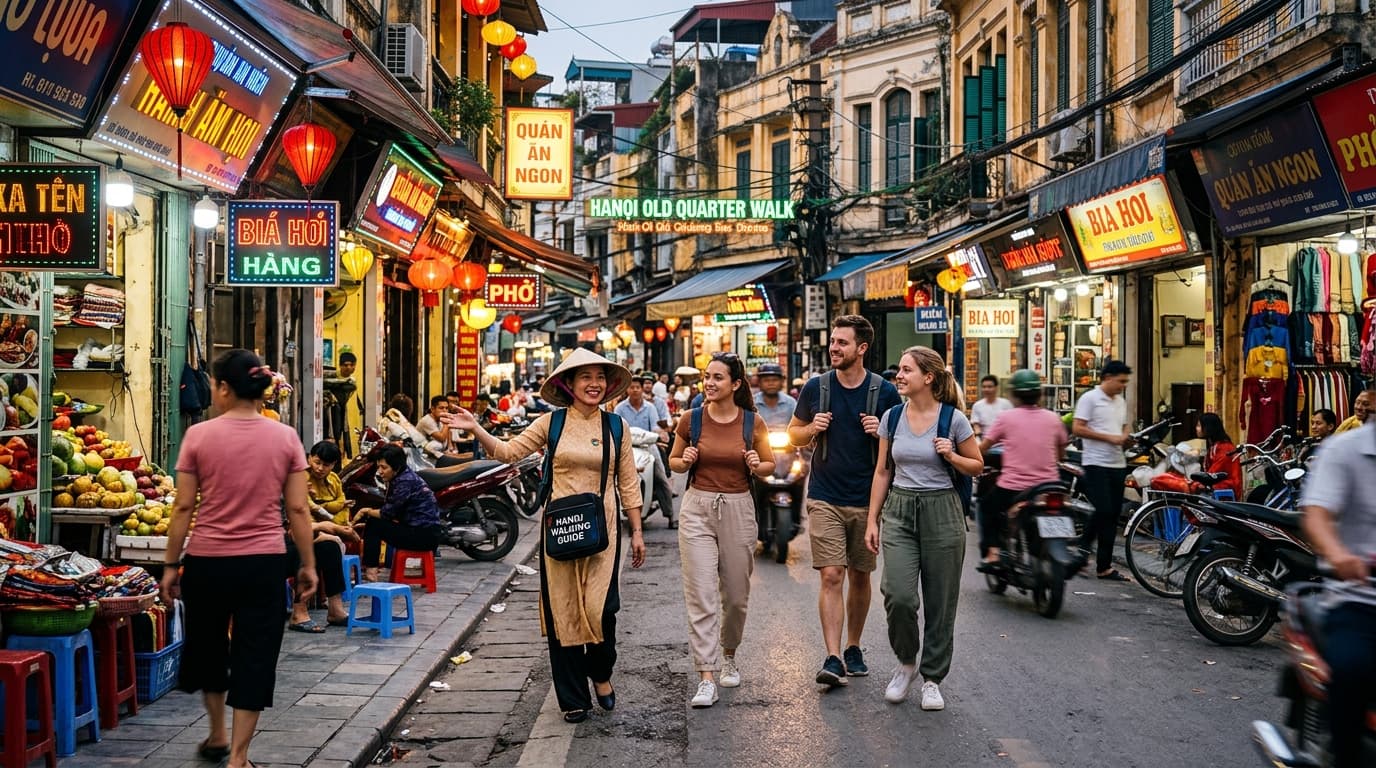
Hanoi Old Quarter Walking Guide: 36 Streets Explained
Explore Hanoi's Old Quarter with our complete walking guide to 36 historic streets, top sights, street food, and practical tips.
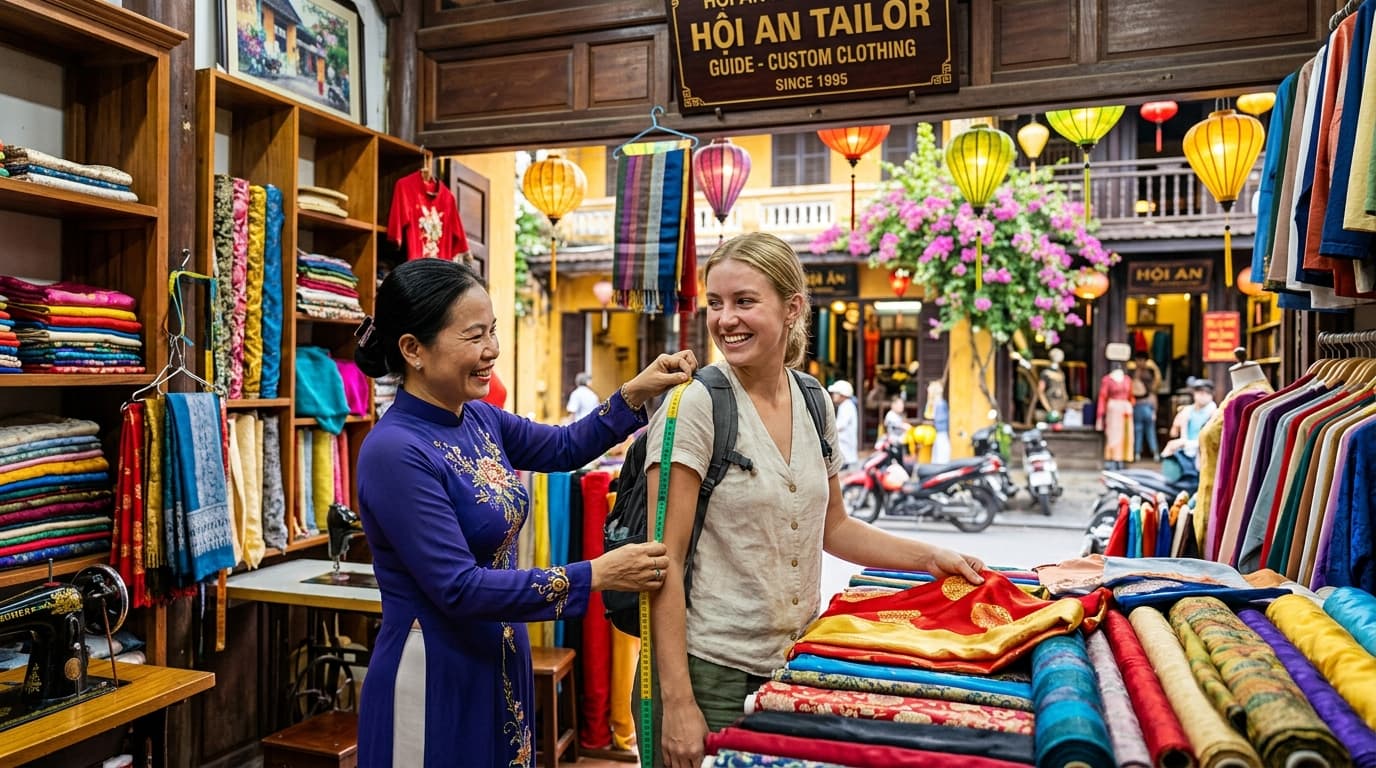
Getting Clothes Made in Hoi An: The Complete Tailor Guide
Everything you need to know about getting clothes made in Hoi An: best tailor shops, real prices, how to choose fabric, what to order, and how to avoid common mistakes.
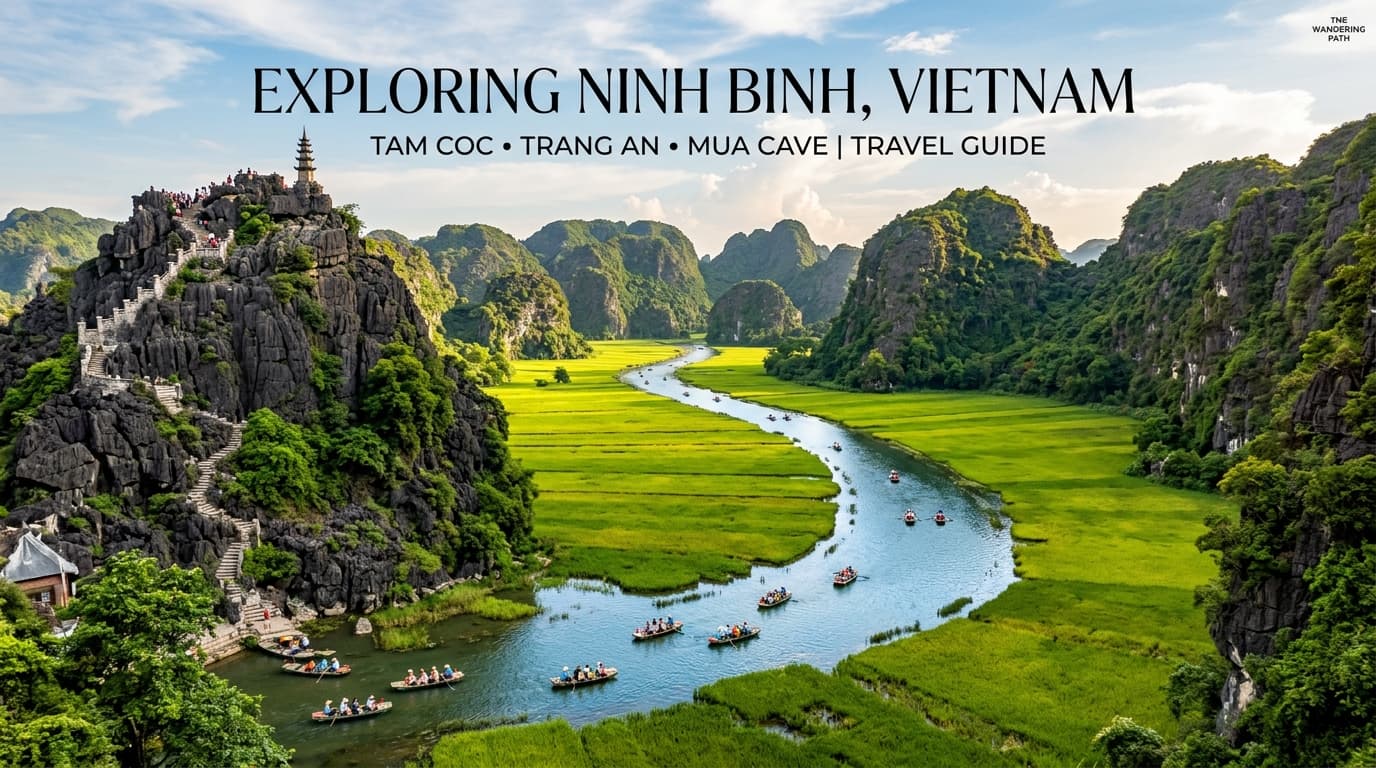
Ninh Binh Guide: Tam Coc, Trang An & Mua Cave – Vietnam's Hidden Gem
Complete Ninh Binh travel guide: explore Tam Coc, Trang An, and Mua Cave. Includes itineraries, where to eat, stay, and insider tips.
Hoi An Travel Guide: Ancient Town, Beaches & Tailors
Complete Hoi An travel guide: ancient town, pristine beaches, world-class tailors & local food. Includes 1-day & 3-day itineraries.
Plan Your Vietnam Trip
Book hotels, transport, activities, and get connected with an eSIM
Some links are affiliate links. We may earn a commission at no extra cost to you.