
There's a moment that defines every first visit to Vietnam: standing at a street corner at 7 AM, watching a vendor pull a crispy banh mi from a charcoal oven, slather it with pâté and mayo, and stuff it with pickled vegetables and grilled meat—all in under two minutes. Banh mi, Vietnam's iconic sandwich, is more than just lunch. It's a edible history lesson, a perfect balance of French colonial influence and Vietnamese ingenuity, and arguably the world's best value for money when it comes to flavor per dollar.
Key Takeaways
| Question | Answer |
|---|---|
| What is banh mi? | A Vietnamese sandwich on crispy baguette with pâté, cold cuts, pickled vegetables, cilantro, and chili |
| How much does it cost? | 20,000–50,000 VND ($0.80–$2 USD) depending on fillings and location |
| Best time to eat banh mi? | Early morning (6–9 AM) or late afternoon (4–6 PM) when vendors are freshest |
| Where's the best banh mi? | Hanoi's Old Quarter, Ho Chi Minh City's Nguyen Hue Walking Street, and Hoi An's Ancient Town |
| Is it safe to eat street banh mi? | Yes—it's one of Vietnam's safest street foods due to high turnover and fresh ingredients |
| What should I order first? | Start with classic banh mi thit (pork), then explore regional variations |
| Can I make it vegetarian? | Yes—ask for banh mi chay (vegetarian) with tofu and extra vegetables |
1. The History and Soul of Banh Mi
Banh mi is Vietnam's most visible culinary inheritance from French colonialism, yet it's entirely Vietnamese in spirit. The sandwich emerged in the early 20th century when French colonizers introduced baguettes and pâté to Indochina. Vietnamese street vendors, however, transformed it into something uniquely their own—replacing expensive French meats with affordable local proteins like pâté, head cheese, and Vietnamese cold cuts, and adding distinctly Vietnamese elements: pickled daikon and carrot, fresh cilantro, chili peppers, and Vietnamese mayonnaise.
When we explored the backstreets of Hanoi's Old Quarter, elderly vendors told us their families had been making banh mi for three generations. The sandwich represents the Vietnamese ability to absorb external influences while maintaining cultural identity. It's democratic food—equally at home in a five-star restaurant or sold from a plastic cart for pocket change. During our time in Ho Chi Minh City, we watched office workers in tailored suits and construction laborers queue at the same banh mi stand, all paying the same price.
The Colonial Legacy That Became Vietnamese
The baguette itself tells this story. French bread-making techniques arrived with colonizers, but Vietnamese bakers adapted them to local humidity and ingredients. The result is a baguette that's crispier outside and airier inside than its French counterpart—perfectly engineered to hold pickled vegetables without falling apart.
Why Banh Mi Became a National Icon
Banh mi's rise to iconic status stems from its perfect intersection of affordability, nutrition, and flavor. A single sandwich provides protein, carbohydrates, vegetables, and fat—a complete meal for under $1. In a country where street food culture is paramount, banh mi became the ultimate expression of Vietnamese ingenuity: taking colonial imports and making them better, cheaper, and more accessible than anywhere else in the world.
Did You Know? Banh mi was named Vietnam's best street food by Lonely Planet, and it consistently ranks among the world's top 50 sandwiches by international food publications.
Source: Lonely Planet Vietnam
2. Anatomy of the Perfect Banh Mi
Understanding banh mi's components is essential to appreciating why this sandwich works so perfectly. Each element serves a purpose—textural contrast, flavor balance, and cultural significance.
The foundation is the bánh (baguette), which must be crispy on the outside with a light, airy crumb inside. This isn't negotiable. A soft baguette is a failed banh mi. The best vendors bake their baguettes fresh multiple times daily, often using a wood-fired or charcoal oven that creates the ideal crust. In our experience, the best banh mi stands are identifiable by the smell of baking bread before 6 AM.
The Protein Layer: Pâté and Cold Cuts
The traditional banh mi begins with a thin spread of pâté (often liver pâté), followed by Vietnamese cold cuts. These might include giò lụa (Vietnamese head cheese), thịt nướng (grilled pork), or thịt nguội (boiled pork). Premium versions add chả cốm (shrimp and pork paste) or chả chiên (fried pork cake). The proteins are always sliced thin and layered for maximum flavor distribution.
The Vegetable Medley: Pickled and Fresh
This is where banh mi gets its signature brightness. Cà rốt chua (pickled carrot) and cải chua (pickled daikon radish) provide sharp, acidic notes that cut through the richness of pâté and mayo. Fresh cilantro adds herbal notes, while ớt (fresh chili) provides heat. Cucumber slices add crunch. The balance between pickled and fresh vegetables is crucial—too much pickling brine makes it sour; too little loses the signature tang.
The Condiments: Mayo and Maggi
Vietnamese banh mi uses mayonnaise (often homemade), which is more generous than French versions. Many vendors add a splash of Maggi seasoning (a salty umami liquid) to the mayo, creating a distinctly Vietnamese flavor profile. Some add a thin layer of pâté chay (vegetable pâté) for additional depth.
The best banh mi vendors make their own pâté and bake baguettes fresh multiple times daily—look for the smell of baking bread and a line of locals, not tourists.
3. Regional Banh Mi Variations Across Vietnam
While banh mi is found everywhere in Vietnam, regional variations reflect local ingredients and culinary traditions. Understanding these differences enriches your banh mi journey across the country.
Northern Banh Mi: Hanoi's Refined Version
Compare hotels, resorts, and guesthouses across Vietnam with free cancellation on most bookings.
Search Hotels on Booking.com → Scan me
In Hanoi, banh mi tends toward refinement and restraint. The baguette is slightly smaller and more delicate than southern versions. Fillings are carefully balanced—not overstuffed. Northern banh mi emphasizes quality pâté and premium cold cuts, with pickled vegetables used as accent rather than bulk. The classic bánh mì thịt nướng (grilled pork banh mi) features tender, marinated pork grilled over charcoal, creating a slightly charred exterior.
During our two years in Hanoi, we discovered that the best banh mi stands were clustered around Hoan Kiem Lake and in the Old Quarter's narrow alleys. Vendors here often specialize in a single type of banh mi, perfecting their craft over decades. The morning rush (6:30–8 AM) is when you'll find the freshest baguettes and the longest queues.
Southern Banh Mi: Ho Chi Minh City's Generous Style
Ho Chi Minh City's banh mi is more abundant, more colorful, and more adventurous. Southern vendors stuff baguettes with abandon—you'll get more vegetables, more proteins, and more sauce. The pickled vegetables are often more pronounced, with generous amounts of pickled daikon and carrot. Southern banh mi frequently includes pâté chay (vegetable pâté), trứng cút (quail egg), or even cua (crab).
The southern style reflects the region's agricultural abundance and more relaxed approach to food. When we spent time in District 1 and around Nguyen Hue Walking Street, we found banh mi vendors competing fiercely on generosity and variety. The same sandwich might cost 30,000 VND in Hanoi and 40,000 VND in Ho Chi Minh City, but the southern version would have noticeably more filling.
Central Vietnam's Specialty Versions
In Hoi An, banh mi takes on local character. Some vendors incorporate cao lầu elements (the local noodle dish) or use locally-raised pork. Hue's banh mi sometimes features huế-style grilled pork with lemongrass and spices. These regional variations are subtle but meaningful—they reflect the local food culture and available ingredients.
| Region | Style | Signature Filling | Best For |
|---|---|---|---|
| Hanoi (North) | Refined, balanced | Premium pâté + grilled pork | Purists who appreciate quality |
| Ho Chi Minh City (South) | Generous, abundant | Multiple proteins + extra vegetables | Those who want maximum flavor |
| Hoi An (Central) | Local ingredients | Local pork + regional variations | Experiencing regional character |
| Hue (Central) | Spiced, aromatic | Lemongrass-marinated pork | Those seeking bold flavors |
Skip the hassle — book Vietnam day trips, cooking classes, and experiences in advance with instant confirmation.
Browse Activities on Klook → Scan me
4. Where to Find the Best Banh Mi
The best banh mi isn't always in a restaurant. In fact, it's rarely in a restaurant. The best banh mi is sold from a cart, a small stall, or a hole-in-the-wall shop by someone who's been making the same sandwich for twenty years.
Hanoi's Best Banh Mi Neighborhoods
In Hanoi, the Old Quarter is banh mi central. Hang Gai Street, Ta Hien Street, and the alleys around Hoan Kiem Lake are lined with vendors. Look for the stalls with the longest queues of locals—that's your indicator of quality. The best time to visit is 6:30–8 AM, when baguettes are fresh from the oven and ingredients are at peak freshness.
We recommend exploring the backstreets rather than the main tourist thoroughfares. The vendors on side streets often have better quality and lower prices because they're serving locals, not tourists. Ask your hotel staff for recommendations—they'll know the neighborhood specialists.
Ho Chi Minh City's Banh Mi Hotspots
In Ho Chi Minh City, Nguyen Hue Walking Street has several excellent banh mi vendors, particularly in the early morning. District 1's backstreets, especially around Ben Thanh Market, have numerous stalls. The area around Tan Dinh Church also has excellent vendors who've been operating for decades.
During our time in Ho Chi Minh City, we discovered that the best strategy was to walk the neighborhood at 7 AM and follow the smell of baking bread. The vendors with the most smoke coming from their ovens and the longest lines of construction workers are your best bets.
Central Vietnam's Banh Mi Culture
Hoi An's Ancient Town has several banh mi stands, though prices are slightly higher due to tourism. For authentic central banh mi, venture into the neighborhoods outside the tourist zone. Da Nang has excellent banh mi culture, particularly around the central market.
What to Look For in a Quality Banh Mi Stand
- Fresh baguettes: The vendor should be baking or have just baked. Ask "bánh nóng không?" (Is the bread hot?)
- Long lines of locals: Tourist-free queues indicate quality and authenticity
- Visible preparation: You should see the vendor assembling your sandwich fresh, not pre-made
- Clean, organized workspace: Quality vendors maintain hygiene despite the casual setting
- Reasonable prices: If it costs more than 50,000 VND, you're likely in a tourist trap
Did You Know? Vietnam has an estimated 5,000+ banh mi vendors, making it one of the most accessible street foods in the country. The sandwich is so integral to Vietnamese culture that it appears in Vietnamese literature and film.
Source: VnExpress International
5. How to Order Banh Mi Like a Local
Ordering banh mi might seem straightforward, but there's a local protocol that enhances both the experience and your chances of getting exactly what you want.
The Basic Vocabulary
- Bánh mì = sandwich
- Bánh mì thịt nướng = grilled pork banh mi (most popular)
- Bánh mì pâté = pâté banh mi
- Bánh mì chay = vegetarian banh mi
- Bánh mì cá = fish banh mi (less common)
- Nóng = hot (fresh from the oven)
- Không ớt = no chili
- Thêm ớt = extra chili
- Không rau = no vegetables
- Thêm rau = extra vegetables
The Ordering Process
Walk up to the vendor and say "Một bánh mì thịt nướng" (one grilled pork banh mi). If you want it hot, add "nóng" (hot). If you have preferences about chili or vegetables, state them. The vendor will assemble it in front of you—this is part of the experience. Watch them work. They're artists.
Customization Tips
Vietnamese vendors are flexible and accommodating. You can request:
- Extra vegetables (thêm rau)
- Less mayo (ít mayonnaise)
- More pâté (thêm pâté)
- No pickled vegetables (không cà rốt chua)
- Extra chili (thêm ớt)
The vendor will adjust without complaint. In our experience, they appreciate customers who know what they want and communicate clearly.
Payment and Etiquette
Most banh mi stands are cash-only, though this is changing in major cities. Prices typically range from 20,000–50,000 VND ($0.80–$2 USD). Pay after receiving your sandwich. Tipping isn't expected but is appreciated—rounding up to the nearest 5,000 VND is customary.
Order your banh mi between 6:30–8 AM or 4–6 PM when baguettes are freshest. Midday banh mi is often made from bread baked hours earlier.
6. Banh Mi vs. Similar Vietnamese Sandwiches and Dishes
While banh mi is the most iconic Vietnamese sandwich, it exists within a broader ecosystem of Vietnamese bread-based foods and similar dishes. Understanding these distinctions helps you navigate Vietnamese food culture more confidently.
Banh Mi vs. Bánh Chưng (Square Sticky Rice Cake)
Skip the hassle — book Vietnam day trips, cooking classes, and experiences in advance with instant confirmation.
Browse Activities on Klook →
Scan me
Bánh chưng is a completely different category—a sticky rice cake filled with pork and beans, traditionally eaten during Tet (Lunar New Year). While both are called "bánh" (bread/cake), they're entirely distinct dishes. Bánh chưng is ceremonial and seasonal; banh mi is everyday and year-round.
Banh Mi vs. Bánh Cuốn (Steamed Rice Rolls)
Bánh cuốn are delicate steamed rice paper rolls filled with pork and mushrooms, served with dipping sauce. They're softer, more delicate, and served hot with broth. Banh mi is crispy, portable, and eaten on-the-go. Bánh cuốn is breakfast or light lunch; banh mi is any-time food.
Banh Mi vs. Bánh Mỳ Nướng (Toasted Bread)
Don't confuse banh mi with bánh mỳ nướng (toasted bread). Bánh mỳ nướng is simply toasted baguette, often served with condensed milk or pâté as a simple breakfast. Banh mi is a complete sandwich with multiple components.
Banh Mi vs. Bánh Tây (Western Bread)
Bánh tây refers to Western-style bread in general. Banh mi specifically refers to the sandwich, not the bread itself.
| Dish | Main Component | Preparation | When Eaten | Cost |
|---|---|---|---|---|
| Banh Mi | Crispy baguette + proteins + vegetables | Assembled fresh | Any time | 20,000–50,000 VND |
| Bánh Cuốn | Steamed rice paper | Rolled, served hot | Breakfast/lunch | 15,000–30,000 VND |
| Bánh Chưng | Sticky rice cake | Boiled, ceremonial | Tet holiday | 30,000–100,000 VND |
| Bánh Mỳ Nướng | Toasted baguette | Toasted, simple | Breakfast | 10,000–20,000 VND |
| Bánh Tây | Western bread | Various | Any time | 5,000–30,000 VND |
7. The Best Banh Mi Fillings and How to Choose
The beauty of banh mi is the variety of fillings available. Understanding the options helps you navigate menus and discover your personal favorite.
Classic Fillings
Bánh mì thịt nướng (grilled pork) is the most popular and our recommendation for first-timers. The pork is marinated in lemongrass, garlic, and fish sauce, then grilled over charcoal. It's flavorful without being overwhelming.
Bánh mì pâté features liver pâté as the primary protein. This is richer and more intense—perfect for those who love organ meats and traditional French flavors.
Bánh mì giò uses Vietnamese head cheese, which has a silky texture and subtle pork flavor. It's less common but worth seeking out.
Premium Fillings
Bánh mì cá (fish banh mi) features grilled fish or fish paste. This is less common but excellent in coastal areas like Da Nang and Nha Trang.
Bánh mì cua (crab banh mi) uses fresh or canned crab meat. It's more expensive but luxurious.
Bánh mì tôm (shrimp banh mi) features grilled or boiled shrimp. Look for this in Ho Chi Minh City and the Mekong Delta.
Vegetarian Options
Bánh mì chay (vegetarian banh mi) substitutes proteins with tofu, mushrooms, and extra vegetables. Request extra pickled vegetables and fresh herbs. Many vendors will add pâté chay (vegetable pâté) made from mushrooms and spices.
How to Choose
Start with bánh mì thịt nướng to understand the classic format. On subsequent visits, explore regional specialties and premium fillings. Ask vendors what's fresh that day—they'll recommend their best option.
8. Banh Mi and Vietnamese Coffee: The Perfect Pairing
Banh mi is rarely eaten alone. It's traditionally paired with Vietnamese coffee, creating a complete breakfast or light lunch experience.
Why Vietnamese Coffee Works
Vietnamese coffee is strong, slightly sweet (due to condensed milk), and rich. The bitterness cuts through the richness of banh mi's pâté and mayo, while the sweetness balances the pickled vegetables' acidity. The combination is perfectly calibrated.
When we explored Hanoi's coffee culture, we noticed that nearly every banh mi vendor had a coffee stand nearby—or vendors sold both. This isn't coincidental. They're meant to be consumed together.
Ordering Coffee with Your Banh Mi
- Cà phê đen = black coffee (strong, bitter)
- Cà phê sữa = coffee with condensed milk (sweet, creamy)
- Cà phê sữa đá = iced coffee with condensed milk (most popular in summer)
- Cà phê trứng = egg coffee (Hanoi specialty—rich and luxurious)
For banh mi, we recommend cà phê sữa đá (iced coffee with condensed milk) in warm weather or cà phê sữa (hot coffee with condensed milk) in cooler months. The sweetness and creaminess complement banh mi's savory, acidic profile.
Learn more about Vietnamese coffee culture in our comprehensive coffee guide.
9. Banh Mi Etiquette and Eating Tips
Eating banh mi properly requires technique. It's messier than it looks, and there's a right way to approach it.
The Technique
Compare car rental prices across Vietnam. Pick up at airports or city locations with flexible cancellation.
Compare Car Rentals →
Scan me
- Hold it firmly but gently: Grip the banh mi with both hands, supporting the bottom to prevent filling from falling out
- Bite at an angle: Start from one end, biting at a 45-degree angle to distribute pressure evenly
- Expect mess: Pickled vegetables and mayo will escape. This is normal and expected
- Have napkins ready: Always ask for napkins (khăn giấy) when ordering
- Eat it fresh: Consume within 10 minutes of purchase while the baguette is still crispy
Where to Eat
- Standing at the vendor's stall: Most authentic, most common
- Sitting at a plastic stool nearby: Many vendors have a few stools
- Walking while eating: Acceptable in Vietnam, though not ideal
- Sitting in a café: Some banh mi vendors have small seating areas
The Mess Factor
Banh mi is inherently messy. Expect pickled vegetables to fall, mayo to smear on your hands, and chili to drip. This is part of the experience. Locals embrace the mess. Wear clothes you don't mind staining, and always have napkins.
Compare hotels, resorts, and guesthouses across Vietnam with free cancellation on most bookings.
Search Hotels on Booking.com →
Scan me
10. Making Banh Mi at Home: A Beginner's Guide
While banh mi is best enjoyed fresh from a Vietnamese vendor, you can recreate it at home with quality ingredients.
Essential Ingredients
- Baguette: Use a crispy French or Vietnamese baguette, not soft sandwich bread
- Pâté: French liver pâté or Vietnamese pâté (available at Asian markets)
- Cold cuts: Vietnamese cold cuts, prosciutto, or quality deli meats
- Mayonnaise: Use quality mayo; Vietnamese vendors often make their own
- Pickled vegetables: Pickled daikon and carrot (available pre-made at Asian markets)
- Fresh vegetables: Cilantro, cucumber, fresh chili
- Maggi seasoning: Optional but recommended for authentic flavor
Basic Assembly
- Slice the baguette lengthwise and lightly toast it
- Spread a thin layer of pâté on one side
- Spread mayo mixed with a splash of Maggi on the other side
- Layer cold cuts, then pickled vegetables
- Add fresh cilantro, cucumber, and chili
- Close and serve immediately
Why Homemade Banh Mi Rarely Matches Street Vendors
The difference lies in three factors: the baguette (street vendors bake fresh multiple times daily), the pâté (many vendors make their own), and the technique (speed and practice matter). A street vendor can assemble a banh mi in 90 seconds with perfect balance; home cooks take longer and often over-stuff or under-balance flavors.
Our recommendation: Make banh mi at home for fun and experimentation, but seek out street vendors for the authentic experience. The $1 you spend on a street banh mi represents decades of perfected technique.
Frequently Asked Questions
Is banh mi safe to eat from street vendors?
Yes. Banh mi is one of Vietnam's safest street foods due to high ingredient turnover, fresh preparation, and the fact that everything is cooked or pickled. The biggest risk is overeating due to how delicious it is. Choose vendors with long queues of locals and visible food preparation.
What's the difference between Northern and Southern banh mi?
Northern banh mi (Hanoi style) is more refined, with careful ingredient balance and smaller portions. Southern banh mi (Ho Chi Minh City style) is more generous, with more vegetables and proteins. Both are excellent—it's a matter of preference.
Can I find vegetarian banh mi?
Yes. Ask for bánh mì chay (vegetarian banh mi). Most vendors will substitute proteins with tofu, mushrooms, and extra vegetables. Request extra pickled vegetables and fresh herbs for maximum flavor.
How much should I expect to pay for banh mi?
Budget 20,000–50,000 VND ($0.80–$2 USD) depending on fillings and location. Premium fillings (crab, shrimp) might cost up to 60,000 VND. Tourist-area vendors may charge more.
What time is best to eat banh mi?
Early morning (6:30–8 AM) or late afternoon (4–6 PM) when baguettes are freshest. Avoid midday (11 AM–3 PM) when bread has been sitting for hours.
Can I eat banh mi every day?
Many Vietnamese people do. It's nutritionally balanced (protein, carbs, vegetables, fat) and affordable. However, the high sodium content (from pâté, cold cuts, and Maggi) means moderation is wise if you're concerned about salt intake.
What's the best banh mi in Vietnam?
This is subjective, but Hanoi's Old Quarter and Ho Chi Minh City's Nguyen Hue area have the most acclaimed vendors. Ask locals for recommendations—they'll know neighborhood specialists better than any guidebook.
Conclusion
Banh mi is more than a sandwich—it's Vietnam's culinary philosophy in edible form. It takes foreign influences (French baguettes, pâté, mayo) and transforms them into something distinctly Vietnamese through local ingredients, technique, and spirit. It's democratic, delicious, and affordable. It's street food elevated to an art form.
Whether you're exploring the bustling streets of Hanoi, navigating Ho Chi Minh City's energy, or discovering regional variations in Hoi An and Da Nang, banh mi should be a daily experience. Seek out the vendors with the longest queues of locals, arrive early for fresh baguettes, and embrace the beautiful mess of eating Vietnam's perfect sandwich.
For more Vietnamese food discoveries, explore our comprehensive food guide and learn about other iconic dishes like pho, bun cha, and goi cuon.
Go2Vietnam Team has lived and eaten across Vietnam. We know where the best banh mi is made, and we're confident that once you taste it fresh from a street vendor, you'll understand why this humble sandwich has captured the hearts—and stomachs—of travelers worldwide.
Sources & References
This article is based on first-hand experience and verified with the following official sources:
Go2Vietnam Team
Exploring Vietnam since 2020 | 40+ provinces visited | Updated monthly
We are a team of travel writers and Vietnam enthusiasts who explore the country year-round. Our guides are based on first-hand experience, local knowledge, and verified official sources.
More about us →People Also Read
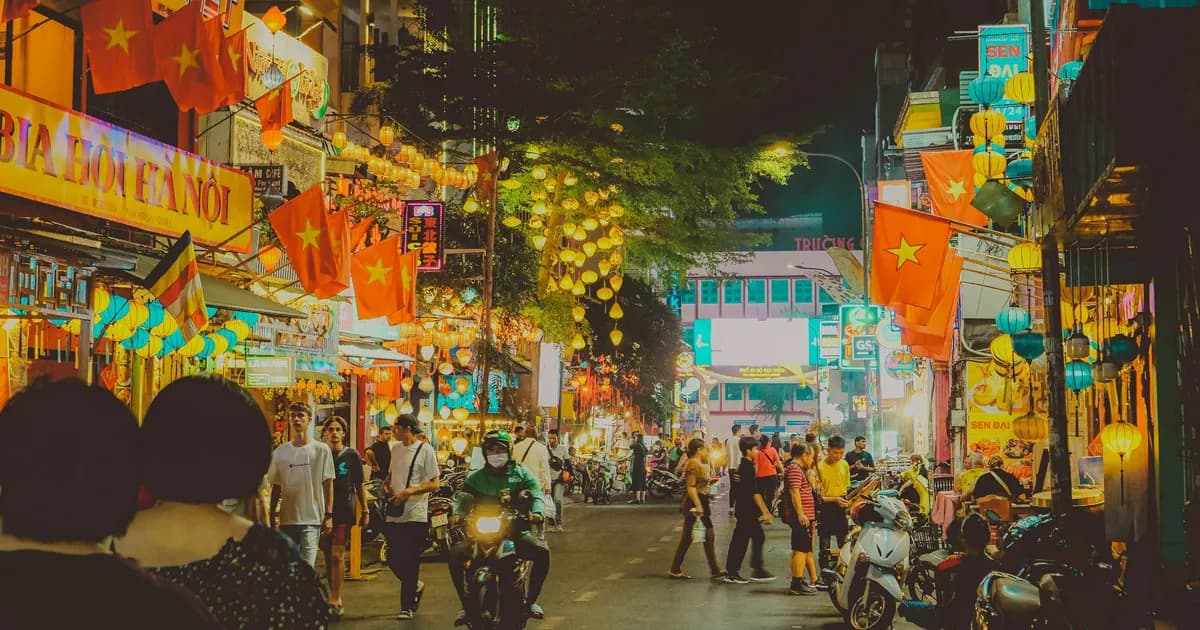
The 15 Best Street Foods in Vietnam (and Where to Find Them)
From pho at dawn to banh mi at midnight, Vietnam's street food scene is the best in the world. Here are the 15 dishes you absolutely must eat, with prices, descriptions, and where to find the best versions.

Vietnam E-Visa 2026: Complete Guide to Application, Costs & Processing Times
Step-by-step Vietnam e-visa guide for 2026: exact costs, processing times, eligibility, and how to apply online from anywhere.

Vietnam E-Visa 2026: Complete Guide to Application, Costs & Processing Times
Step-by-step Vietnam e-visa guide 2026: costs, processing times, eligibility, and how to apply online in minutes.
First Time in Vietnam: Everything You Need to Know (2025 Guide)
Planning your first trip to Vietnam? This comprehensive guide covers visas, budget, transport, safety, cultural etiquette, and everything else you need for a smooth and unforgettable journey.
Plan Your Vietnam Trip
Book hotels, transport, activities, and get connected with an eSIM
Some links are affiliate links. We may earn a commission at no extra cost to you.