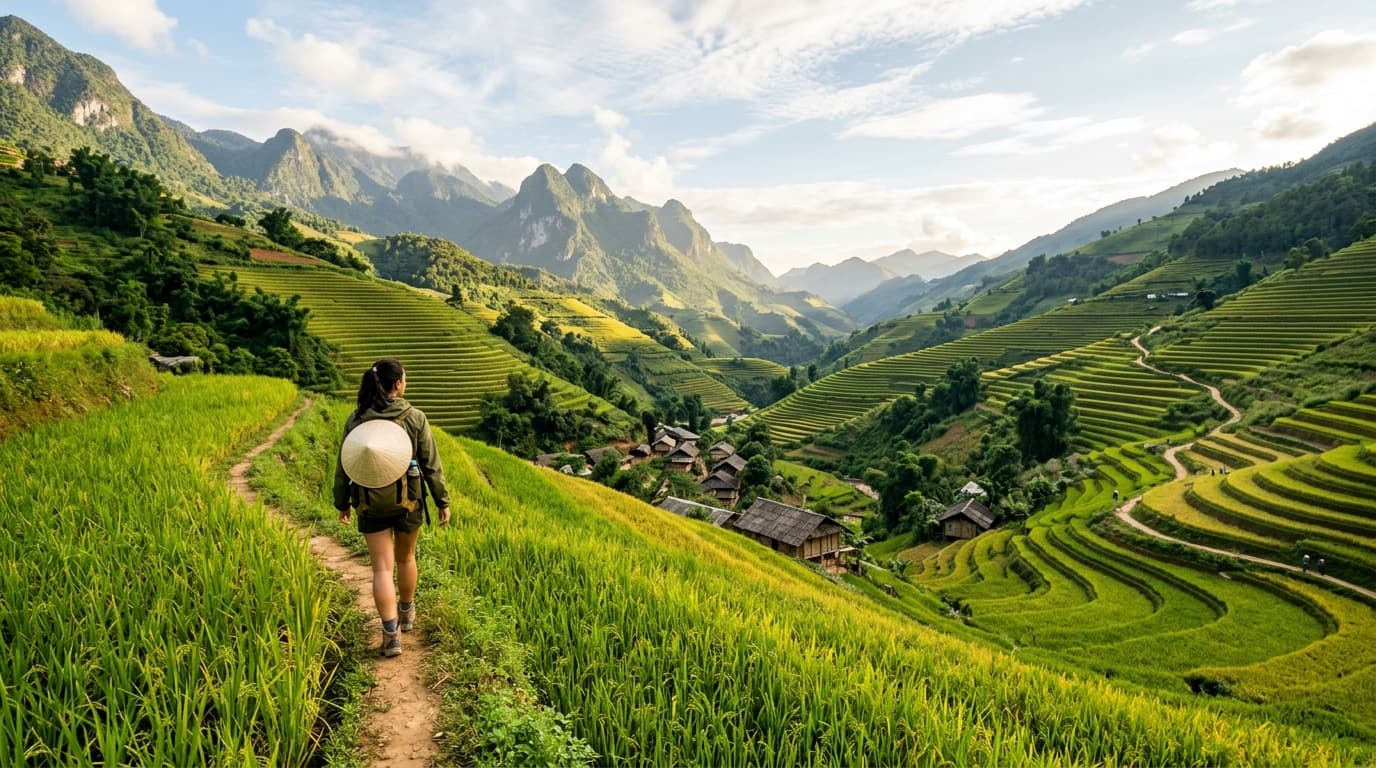
At 1,600 meters above sea level, Sa Pa trekking offers some of Vietnam's most breathtaking mountain scenery—but choosing the right route can mean the difference between a magical experience and an exhausting slog. We've spent weeks exploring the trails around this northern town, from gentle walks through rice terraces to challenging multi-day expeditions, and we're here to help you pick the perfect trek for your fitness level and interests.
Key Takeaways
| Question | Answer |
|---|---|
| What is the best time to visit? | September to November and March to May offer clear skies and comfortable temperatures. December to February brings fog and cold; June to August is hot and rainy. |
| How much does it cost? | Day treks: 300,000–600,000 VND ($12–25 USD) per person. Multi-day treks: 1,200,000–2,500,000 VND ($50–105 USD) per person including meals and accommodation. |
| How do I get there? | Fly to Hanoi (5 hours by bus or 1 hour by flight to Sa Pa). Most visitors arrive via the overnight bus from Hanoi. |
| Is it safe? | Yes. Trails are well-established and guides are knowledgeable. Stick to organized tours and inform someone of your itinerary. |
| What should I book in advance? | Book guides and multi-day treks 2–3 days ahead, especially during peak season (September–October, March–April). |
| What's the physical difficulty range? | From easy 2-hour walks to strenuous 6–8 hour treks. Most visitors do moderate day treks. |
1. Understanding Sa Pa's Trekking Landscape
Sa Pa trekking isn't a single experience—it's a spectrum of adventures shaped by terrain, elevation, and cultural encounters. The town sits in the Hoang Lien Son Mountains, surrounded by rice terraces, cloud forests, and villages inhabited by ethnic minorities including the H'Mong, Dao, and Tay peoples. When we explored Sa Pa with local guides, we quickly realized that the "best" trek depends entirely on what you're seeking: solitude, cultural immersion, photography opportunities, or a physical challenge.
The region receives significant rainfall, which keeps the landscape lush but also creates muddy, slippery conditions during monsoon seasons. The trails range from well-maintained paths used by locals to more remote routes that see fewer tourists. Most day treks take 4–6 hours including breaks, while multi-day treks push into more isolated areas where you'll spend nights in homestays or basic guesthouses.
The Trek Difficulty Spectrum
Easy treks (2–4 hours) are suitable for families, older travelers, and anyone with limited hiking experience. These typically follow established paths through villages and terraced fields with minimal elevation gain. During our time in Sa Pa, we found that even "easy" treks offered stunning views and genuine cultural interactions without requiring serious fitness.
Moderate treks (5–7 hours) demand reasonable fitness and comfort with uneven terrain. These routes venture deeper into the mountains, often combining village visits with natural attractions like waterfalls or viewpoints. Most visitors to Sa Pa choose moderate treks—they're challenging enough to feel rewarding but achievable for people with basic fitness levels.
Cultural and Natural Highlights
The real magic of Sa Pa trekking lies in the human element. You'll encounter H'Mong families tending rice paddies, Dao women in traditional indigo clothing, and children eager to practice English. Many guides are themselves from local ethnic minorities and offer insights into daily life that no guidebook can capture.
Did You Know? The H'Mong people have inhabited the Sa Pa region for over 300 years, originally migrating from southern China. They've developed sophisticated agricultural techniques perfectly adapted to the steep mountain terrain.
2. The Classic Fansipan Circuit Trek
The Fansipan Circuit is Sa Pa's most popular multi-day trek, named after Vietnam's highest peak (3,143 meters). This 2–3 day route circles the mountain, passing through multiple ethnic villages and offering panoramic views of the surrounding valleys. Some links in this guide are affiliate links — if you book through them, we earn a small commission at no extra cost to you, which helps us keep this site running.
Route Overview and Difficulty
The standard Fansipan Circuit covers approximately 20–25 km over two days, with significant elevation changes. Day one typically involves 5–6 hours of trekking from Sa Pa town to a homestay in a H'Mong village. Day two pushes higher, with 6–7 hours of hiking that includes steep sections and exposed ridge walks. The final stretch offers views of Fansipan's summit, though the circuit doesn't require summiting the peak itself—that's a separate, more technical climb.
When we did the circuit with a local guide, we found the physical demands were real but manageable for anyone with moderate fitness. The key challenge isn't the distance but the elevation and terrain variability. You'll climb steeply, descend steeply, then climb again. Trekking poles are genuinely helpful here, not optional.
Homestay Experience and Meals
Most Fansipan Circuit treks include one night in a H'Mong family homestay. These aren't luxury accommodations—expect basic rooms with simple bedding and shared bathrooms—but they're authentic and often memorable. Families typically prepare dinner and breakfast using local ingredients. Rice, vegetables, and occasionally chicken or pork form the staple meals. Vegetarian options are possible with advance notice.
During our stay in a homestay near Cat Cat Village, we shared dinner with the family, and our guide translated conversations about farming, education, and life in the mountains. These moments often become the highlight of the trek, transcending the physical exertion.
- Best Homestays: Families near Cat Cat Village and Sin Chai offer the most established tourism infrastructure and English-speaking guides.
- Meal Quality: Expect simple, hearty food. Bring snacks you enjoy in case the meals don't suit your palate.
- Bathroom Facilities: Squat toilets are standard. Bring hand sanitizer and toilet paper.
Skip the hassle — book Vietnam day trips, cooking classes, and experiences in advance with instant confirmation.
Browse Activities on Klook → Scan me
3. The Ham Rong Mountain Day Trek
If you're short on time or prefer a single-day experience, Ham Rong Mountain offers stunning views without requiring an overnight stay. This trek starts directly from Sa Pa town and ascends to a ridge with 360-degree views of the surrounding valleys, rice terraces, and distant peaks.
Route Details and Time Commitment
Compare hotels, resorts, and guesthouses across Vietnam with free cancellation on most bookings.
Search Hotels on Booking.com → Scan me
The Ham Rong trek is typically 4–5 hours round trip, making it ideal for travelers who want a substantial hike without committing to multiple days. The trail climbs steadily from town, gaining about 500 meters in elevation. The path is well-maintained and heavily trafficked, so navigation is straightforward. The summit ridge offers a perfect lunch spot with views extending toward Fansipan.
This route is popular with photography enthusiasts because the light in late afternoon creates dramatic shadows across the terraced fields. We visited in October and found the morning mist clearing by mid-morning, revealing layers of mountains receding into the distance. The descent takes roughly the same time as the ascent, so plan for an early start if you want to avoid hiking in fading light.
Flora, Fauna, and Photography Opportunities
Ham Rong Mountain sits within a mixed forest ecosystem. You'll pass through areas of pine forest, then emerge into open grassland near the ridge. The biodiversity isn't as dramatic as lowland jungles, but the landscape itself is the main attraction. Rhododendrons bloom in spring, adding splashes of color to the green hillsides.
The trail crosses several small streams and passes through patches of cloud forest where moss-covered trees create an almost mystical atmosphere. Early morning treks offer the best chance of spotting birds, though wildlife sightings are never guaranteed.
- Best Time of Day: Start by 7 AM to reach the summit by mid-morning when visibility is clearest.
- Photography Sweet Spots: The ridge offers panoramic views; specific viewpoints are marked by prayer flags and small shrines.
- Fitness Level: Moderate. The steady climb demands consistent effort, but there are no technical sections.
4. The Cat Cat Village Trek
Cat Cat Village is one of Sa Pa's oldest H'Mong settlements, located just 2 km from town but feeling worlds away. This easy trek descends into a valley where traditional houses cluster around a small stream, and you'll encounter locals going about daily life: women weaving, children playing, farmers returning from fields.
Cultural Immersion and Daily Life
What makes Cat Cat special is its accessibility combined with authentic cultural experience. Unlike some heavily touristed villages, Cat Cat maintains a genuine working community. Yes, some residents sell handicrafts to trekkers, but this is supplementary income, not their primary livelihood. When we visited, we watched women dyeing hemp fabric using indigo—a process that takes weeks and produces the distinctive deep blue of traditional Dao clothing.
The village is built around a small waterfall and stream, and the trek route follows the water downhill, making navigation simple. You'll pass through the village, visit the waterfall, and return via the same route or a loop path. The entire trek takes 2–3 hours, making it perfect for travelers with limited time or fitness.
Practical Considerations
The descent into Cat Cat is steep and can be slippery, especially after rain. The ascent back to town is the more strenuous section, though still manageable for most fitness levels. Bring plenty of water—there are no shops in the village, and the sun exposure on the return climb is significant.
Some guides will pressure you to buy handicrafts or pay for photos. Politely decline if you're not interested. Respectful trekking means asking permission before photographing people, especially children.
- Best Visit Time: Early morning (before 9 AM) offers fewer tourists and better light for photography.
- What to Bring: Water, sun protection, and cash for any purchases or tips.
- Guide Necessity: Not strictly required, but a guide adds cultural context and supports the local economy.
Bring a small gift (pens, notebooks) for children you meet—it's more meaningful than money and appreciated by families.
5. The Muong Hoa Valley Trek
For trekkers seeking a balance between challenge and cultural immersion, the Muong Hoa Valley trek offers a less-crowded alternative to the Fansipan Circuit. This route descends into a deep valley where H'Mong and Tay villages sit amid some of the region's most dramatic rice terraces.
Route Characteristics and Highlights
The Muong Hoa Valley trek typically spans 2 days and covers 15–20 km. Day one descends about 1,000 meters into the valley, passing through multiple villages and terraced fields. Day two either continues deeper into the valley or climbs back out, depending on your chosen itinerary. The descent is steep and can be tough on knees, while the ascent demands sustained effort.
What distinguishes this trek is the sheer scale of the landscape. The rice terraces here are among Vietnam's most photogenic, especially during the growing season (May–September) when the paddies are flooded and reflect the sky like mirrors. During our trek in September, we watched farmers harvesting by hand, their movements practiced and efficient after generations of the same work.
Village Homestays and Local Guides
Most Muong Hoa treks include a homestay in a H'Mong or Tay village. These families are experienced with trekkers and typically provide good meals and comfortable (by local standards) accommodations. The villages are less touristy than Cat Cat, so interactions feel more genuine.
Hiring a local guide is essential for this trek—the paths are less obvious than on the Fansipan Circuit, and a guide adds immeasurable value through cultural translation and knowledge of local history. We trekked with a guide named Sao, a H'Mong man in his 50s who pointed out medicinal plants, explained farming techniques, and shared stories about how tourism has changed his village.
- Difficulty Level: Moderate to moderately strenuous. The descent is challenging; the ascent is more demanding.
- Crowd Factor: Significantly fewer trekkers than Fansipan Circuit or Ham Rong.
- Best Season: September–October and March–April for clear weather and active farming.
6. The Tram Ton Pass and Silver Waterfall Trek
Tram Ton Pass sits at 1,900 meters, making it Vietnam's highest mountain pass. This day trek combines a visit to the pass with the nearby Silver Waterfall, creating a scenic loop that's less strenuous than other Sa Pa options but still rewarding.
Scenic Views and Natural Features
Skip the hassle — book Vietnam day trips, cooking classes, and experiences in advance with instant confirmation.
Browse Activities on Klook →
Scan me
The trek to Tram Ton Pass covers about 12 km and takes 4–5 hours. The route climbs gradually through pine forest, emerging at the pass where a small shrine marks the summit. On clear days, views extend across the border into Laos. The air is noticeably cooler and crisper at this elevation, and the vegetation shifts to alpine species.
Silver Waterfall is a 100-meter cascade fed by mountain streams. The waterfall is most impressive during the rainy season (June–August) when water volume is high, but it flows year-round. The trek to the waterfall base is straightforward and takes about 1 hour from the pass.
Accessibility and Crowd Levels
This trek is more accessible than many Sa Pa options because the elevation gain is gradual and the paths are well-maintained. It's suitable for families and less-experienced trekkers. However, it's also popular with tour groups, so expect company, especially on weekends and during peak season.
When we visited in late March, we encountered several organized groups but still found quiet moments on the trail. The key is starting early—most tour groups depart Sa Pa town around 8 AM, so leaving by 7 AM gives you a head start.
- Physical Demand: Easy to moderate. Suitable for families and older trekkers.
- Crowd Factor: Moderate to high, especially on weekends.
- Weather Consideration: The pass can be foggy and cold even when Sa Pa town is clear and warm. Bring an extra layer.
Discover the best guided tours and activities in Hanoi, Ho Chi Minh City, Da Nang and beyond.
Browse Tours on GetYourGuide → Scan me
7. Multi-Day Treks: The Remote Mountain Experience
For serious trekkers, Sa Pa offers multi-day routes that venture into more remote areas with fewer tourists and deeper cultural immersion. These treks typically involve 3–4 days of hiking, multiple village homestays, and significant elevation changes.
The Fansipan Summit Trek
The most challenging option is the Fansipan Summit Trek, which combines the circuit route with an ascent of Vietnam's highest peak. This typically spans 3–4 days and includes a final push to the 3,143-meter summit. The summit section involves scrambling over rocky terrain and requires a reasonable fitness level and comfort with exposure.
During our research, we spoke with trekkers who'd completed the summit trek. They described the final ascent as steep and rocky but not technically difficult. The reward is standing on Vietnam's highest point with views extending into Laos and China on clear days. However, weather is unpredictable—many summit attempts are thwarted by clouds and fog.
Remote Valley Treks
Several tour operators offer treks into valleys rarely visited by tourists, such as the Hoang Lien Son National Park interior or the Tat Giang area. These treks demand 4+ days and higher fitness levels but offer genuine wilderness experiences and encounters with ethnic minorities living far from tourism infrastructure.
These remote treks are best arranged through established operators with local guides. Prices are higher (2,000,000–3,000,000 VND or $85–125 USD per person for 4 days), but the experience is correspondingly more exclusive and immersive.
- Best For: Experienced trekkers seeking solitude and wilderness.
- Physical Demand: Strenuous. Expect 6–8 hours of trekking daily with significant elevation changes.
- Booking Timeline: Reserve 2–3 weeks in advance, especially for remote routes.
8. Choosing Your Trek: A Comparison Guide
| Trek Name | Best For | Duration | Difficulty | Cost (per person) | Rating |
|---|---|---|---|---|---|
| Ham Rong Mountain | Quick day hike, photography, views | 4–5 hours | Moderate | 300,000–400,000 VND | ⭐⭐⭐⭐⭐ |
| Cat Cat Village | Cultural immersion, easy access | 2–3 hours | Easy | 250,000–350,000 VND | ⭐⭐⭐⭐ |
| Muong Hoa Valley | Fewer crowds, dramatic scenery | 2 days | Moderate–Strenuous | 1,200,000–1,600,000 VND | ⭐⭐⭐⭐⭐ |
| Tram Ton Pass & Waterfall | Families, accessible hiking | 4–5 hours | Easy–Moderate | 350,000–500,000 VND | ⭐⭐⭐⭐ |
| Fansipan Circuit | Classic trek, mountain views | 2–3 days | Moderate–Strenuous | 1,500,000–2,000,000 VND | ⭐⭐⭐⭐⭐ |
| Fansipan Summit | Peak baggers, experienced hikers | 3–4 days | Strenuous | 2,000,000–2,500,000 VND | ⭐⭐⭐⭐⭐ |
| Remote Valley Treks | Wilderness seekers, solitude | 4+ days | Very Strenuous | 2,000,000–3,000,000 VND | ⭐⭐⭐⭐ |
9. Practical Trekking Essentials and Safety
What to Pack and Wear
Proper gear makes a dramatic difference in trekking comfort. Wear moisture-wicking clothing (cotton absorbs sweat and dries slowly), sturdy hiking boots with ankle support, and bring a waterproof jacket—afternoon showers are common even during the dry season. Trekking poles reduce knee strain on descents and improve balance on slippery terrain.
Pack a daypack (20–30 liters) with water, snacks, sun protection, and a basic first-aid kit. For multi-day treks, your guide or tour operator typically arranges porter service to carry heavier loads. We recommend using this service—it allows you to trek comfortably without exhaustion.
Health and Safety Considerations
Compare car rental prices across Vietnam. Pick up at airports or city locations with flexible cancellation.
Compare Car Rentals →
Scan me
Sa Pa's altitude (1,600 meters) can cause mild altitude effects in some people, though it's not high enough for serious altitude sickness. Drink plenty of water, eat regular meals, and take it easy on your first day to acclimatize. The trails are generally safe, but always trek with a guide, especially on less-traveled routes. Inform your accommodation of your trekking plans and expected return time.
Leeches are present during the rainy season (June–August). Salt or insect repellent deters them. Snakes exist but are rarely encountered on well-used trails. The main hazards are slippery terrain after rain and the physical demands of sustained hiking at altitude.
Did You Know? Sa Pa experiences significant seasonal variation in weather. During the winter months (December–February), temperatures can drop below freezing, and snow occasionally falls on the highest peaks.
Source: Lonely Planet Vietnam
10. Booking Your Trek: Operators, Prices, and Logistics
Finding Reputable Operators
Sa Pa town has numerous trekking agencies, ranging from established operators with decades of experience to newer companies with less proven track records. When we researched operators, we found that reputation matters—guides from established companies tend to speak better English, follow safer practices, and provide more culturally respectful experiences.
Look for operators that employ local guides (especially ethnic minorities), maintain small group sizes (6–8 people maximum), and offer transparent pricing. Ask about guide training, safety protocols, and how much of your payment goes directly to local communities. Established guesthouses and hotels can recommend trusted operators.
Price Breakdown and What's Included
Day trek prices typically range from 300,000–600,000 VND ($12–25 USD) per person, including guide, meals, and entrance fees. Multi-day treks cost 1,200,000–2,500,000 VND ($50–105 USD) per person per day, including accommodation, all meals, guide, and porter service.
Prices vary based on group size (larger groups are cheaper per person), guide experience level, and trek difficulty. Premium operators charge more but often provide superior experiences. Budget operators may cut corners on meals or rush through cultural interactions.
Booking Timeline and Peak Seasons
Book day treks 1–2 days in advance; multi-day treks should be reserved 2–3 days ahead, longer during peak season. Peak trekking seasons are September–October and March–April when weather is most stable. December–February is cooler and drier but can be foggy. June–August is hot, humid, and rainy.
Booking directly with operators in Sa Pa town is straightforward and often cheaper than booking through travel agencies in Hanoi or Ho Chi Minh City. However, booking through your hotel or a trusted agency adds a layer of accountability if problems arise.
Book buses, trains, ferries, and transfers between Vietnamese cities easily online. Compare routes and prices.
Book Transport on 12Go → Scan me
Getting to Sa Pa
Most visitors reach Sa Pa via overnight bus from Hanoi (5–6 hours). The journey is scenic but can be uncomfortable—consider paying extra for a sleeper bus with better beds. Alternatively, fly from Hanoi to nearby Lao Cai (1 hour), then take a 1-hour drive to Sa Pa town. The flight option costs more but saves time and physical strain.
From Da Lat or other Central Highlands locations, reaching Sa Pa requires 12+ hours of travel, making it impractical as a quick side trip. Plan Sa Pa as part of a North Vietnam itinerary.
Frequently Asked Questions
What's the best time to trek in Sa Pa?
September to November and March to May offer the most reliable weather—clear skies, comfortable temperatures, and minimal rain. October is peak season with the most tourists. December to February is cold and foggy; June to August is hot, humid, and rainy.
Do I need to be very fit to trek in Sa Pa?
No. Easy treks like Cat Cat Village and Tram Ton Pass are accessible to most fitness levels. Moderate treks like Ham Rong require reasonable fitness but aren't extreme. Only the Fansipan Summit and remote multi-day treks demand serious fitness.
Can I trek alone or do I need a guide?
For day treks on well-established routes (Ham Rong, Cat Cat), guides aren't strictly necessary, though they enhance the experience. For multi-day treks and remote routes, guides are essential for navigation, safety, and cultural translation.
What should I eat during treks?
Bring snacks you enjoy (energy bars, nuts, dried fruit). Meals provided by homestays are simple but adequate—rice, vegetables, and protein. Vegetarian options are possible with advance notice. Bring electrolyte tablets or sports drinks to supplement water.
Are there any safety concerns?
Sa Pa trekking is generally safe. Main hazards are slippery terrain, altitude effects, and physical exhaustion. Trek with guides, inform someone of your plans, and start early to avoid hiking in darkness. Leeches are present during rainy season but easily managed with salt or repellent.
How much should I tip guides?
Tipping isn't mandatory but is appreciated. A reasonable tip is 100,000–200,000 VND ($4–8 USD) per day for guides, slightly less for porters. Tip based on service quality and your budget.
Can I trek year-round?
Technically yes, but weather varies dramatically. The dry season (September–May) is best. December–February can be cold and foggy. June–August is rainy and muddy. Most trekkers visit during peak seasons.
Conclusion
Sa Pa trekking offers something for everyone—from 2-hour village walks to challenging multi-day mountain expeditions. The key is matching the trek to your fitness level, interests, and available time. Whether you're seeking dramatic mountain views, cultural immersion, or physical challenge, Sa Pa delivers.
Start with the Sa Pa travel guide to plan your broader itinerary, then book your trek through a reputable local operator. Bring proper gear, respect local cultures, and embrace the slower pace of mountain life. The mountains around Sa Pa have captivated travelers for generations—they'll captivate you too.
Ready to book? Use the widget below to compare operators and secure your trek, or visit our Northwest Vietnam region guide to explore other mountain adventures nearby.
Compare hotels, resorts, and guesthouses across Vietnam with free cancellation on most bookings.
Search Hotels on Booking.com →
Scan me
Have you trekked in Sa Pa? Share your experience in the comments below—we'd love to hear which route you chose and why.
Bronnen & Referenties
Dit artikel is gebaseerd op eigen ervaring en geverifieerd met de volgende officiële bronnen:

Go2Vietnam Team
Vietnam verkennen sinds 2020 | 40+ provincies bezocht | Maandelijks bijgewerkt
Wij zijn een team van reisschrijvers en Vietnam-liefhebbers die het land het hele jaar door verkennen. Onze gidsen zijn gebaseerd op eigen ervaring, lokale kennis en geverifieerde officiële bronnen.
Meer over ons →Tags
Anderen lezen ook
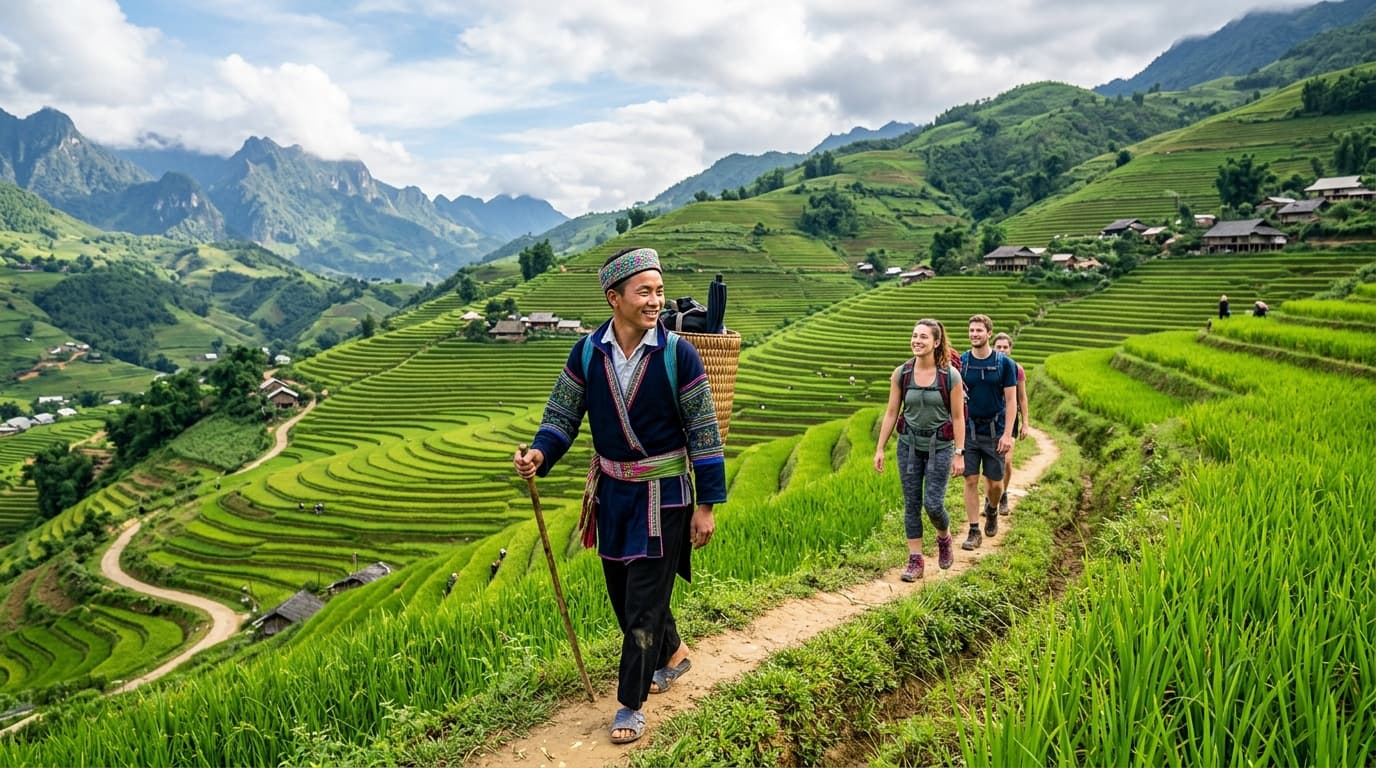
Sa Pa Trekking Guide: Routes, Homestays & Best Season
Complete Sa Pa trekking guide with routes, homestay options, seasonal tips & honest operator comparisons. Trek Vietnam's misty mountains like a local.
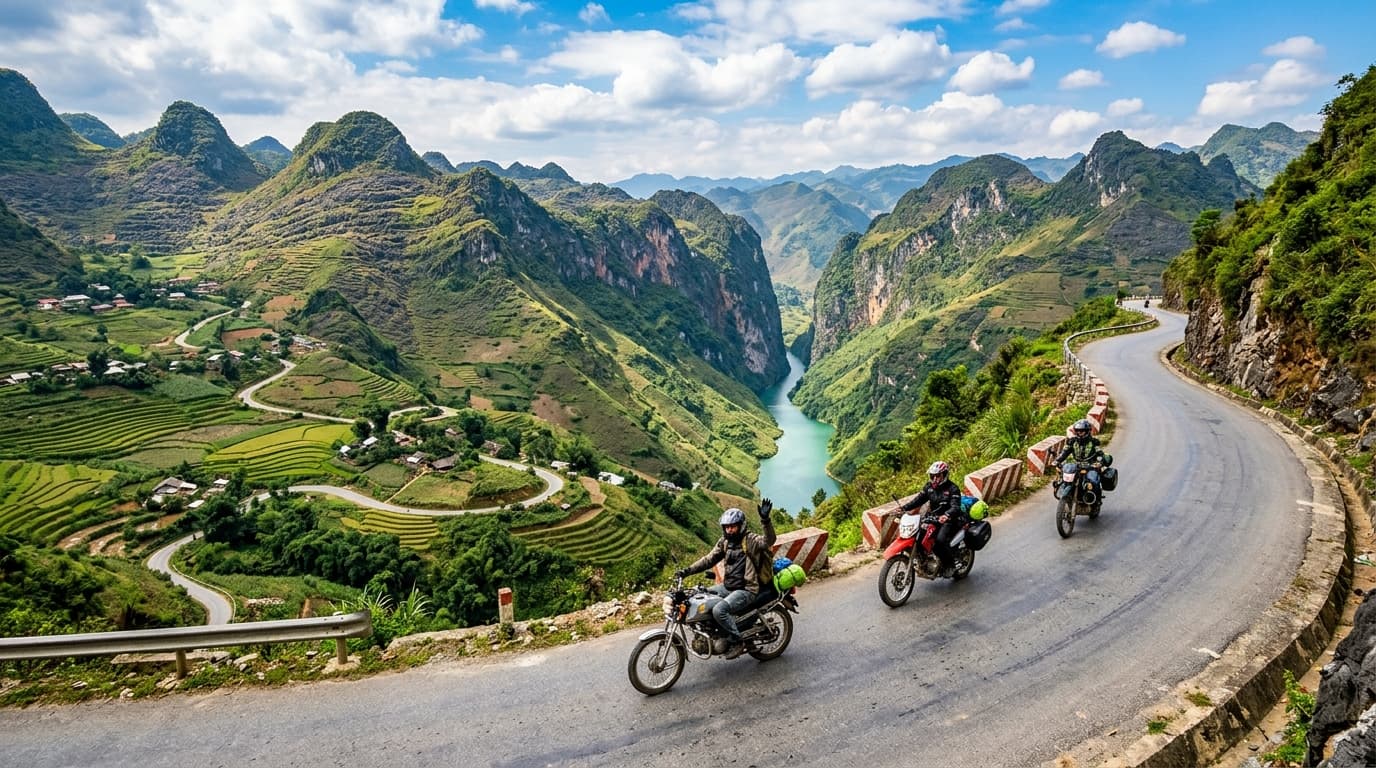
Ha Giang Loop by Motorbike: The Ultimate 4-Day Itinerary
Complete 4-day Ha Giang Loop motorbike guide with detailed itinerary, operator comparisons, costs, and honest safety tips from experienced travelers.
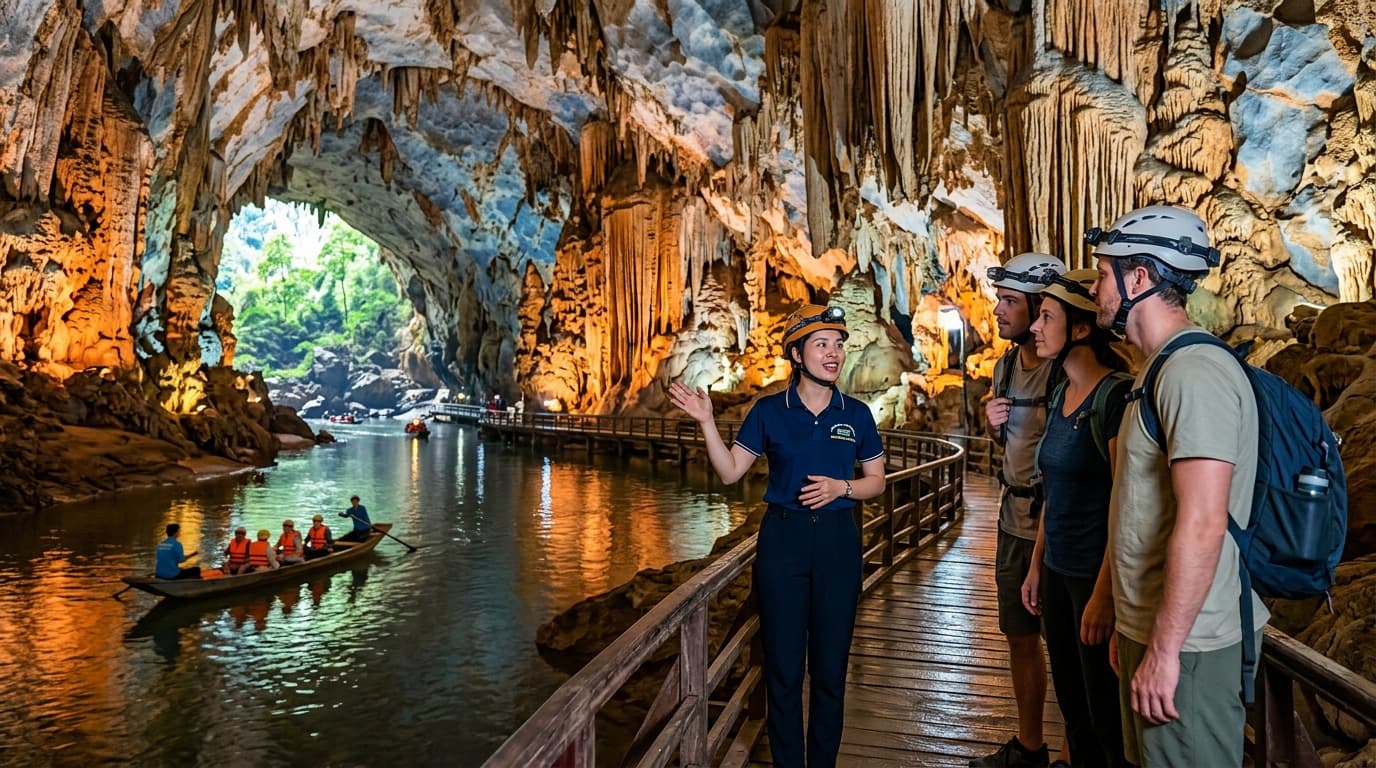
Phong Nha Caves Guide: Son Doong, Paradise Cave & More
Complete guide to Phong Nha Caves including Son Doong, Paradise Cave & more. Prices, operators, booking tips & honest reviews.
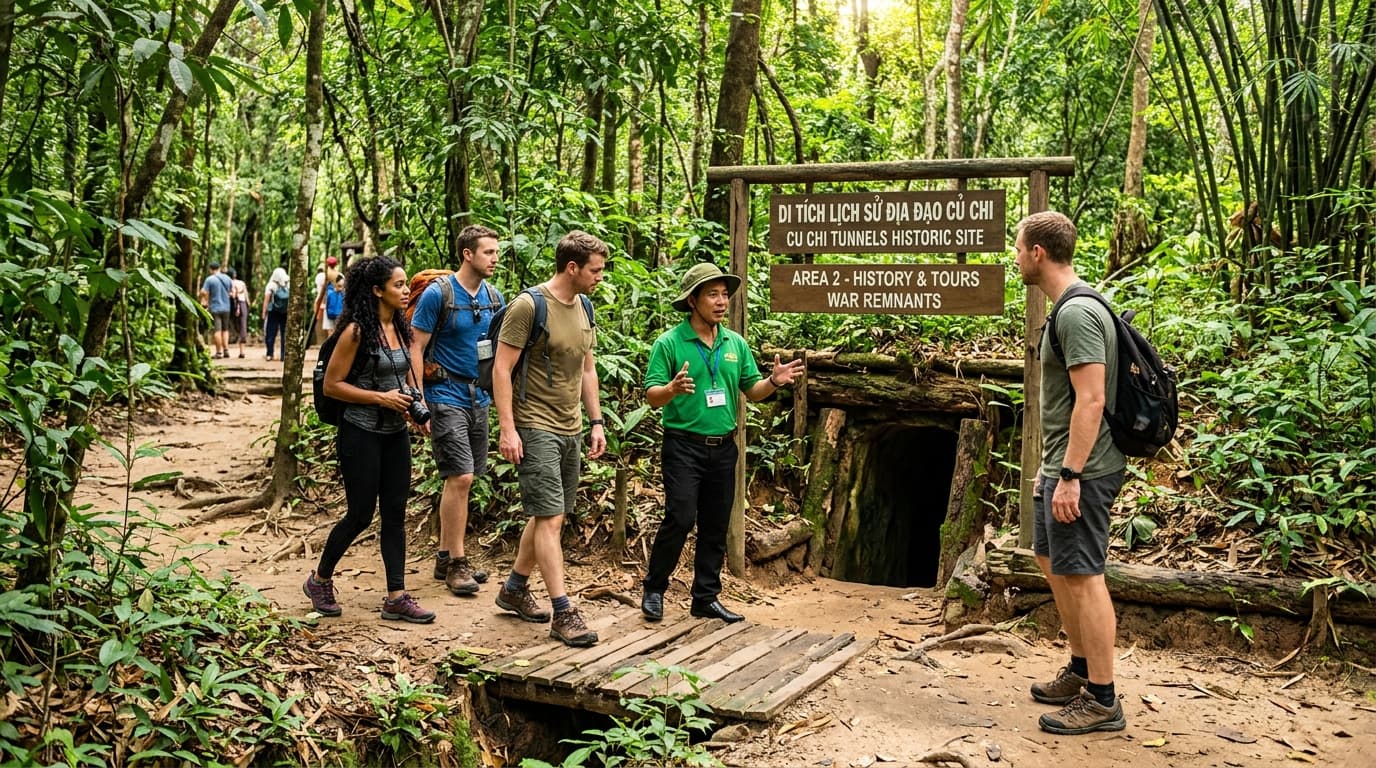
Cu Chi Tunnels from HCMC: History, Tours & Tips
Complete guide to Cu Chi Tunnels from HCMC: history, tour operators, prices, and insider tips for visiting Vietnam's most iconic war site.
Plan Your Vietnam Trip
Book hotels, transport, activities, and get connected with an eSIM
Some links are affiliate links. We may earn a commission at no extra cost to you.