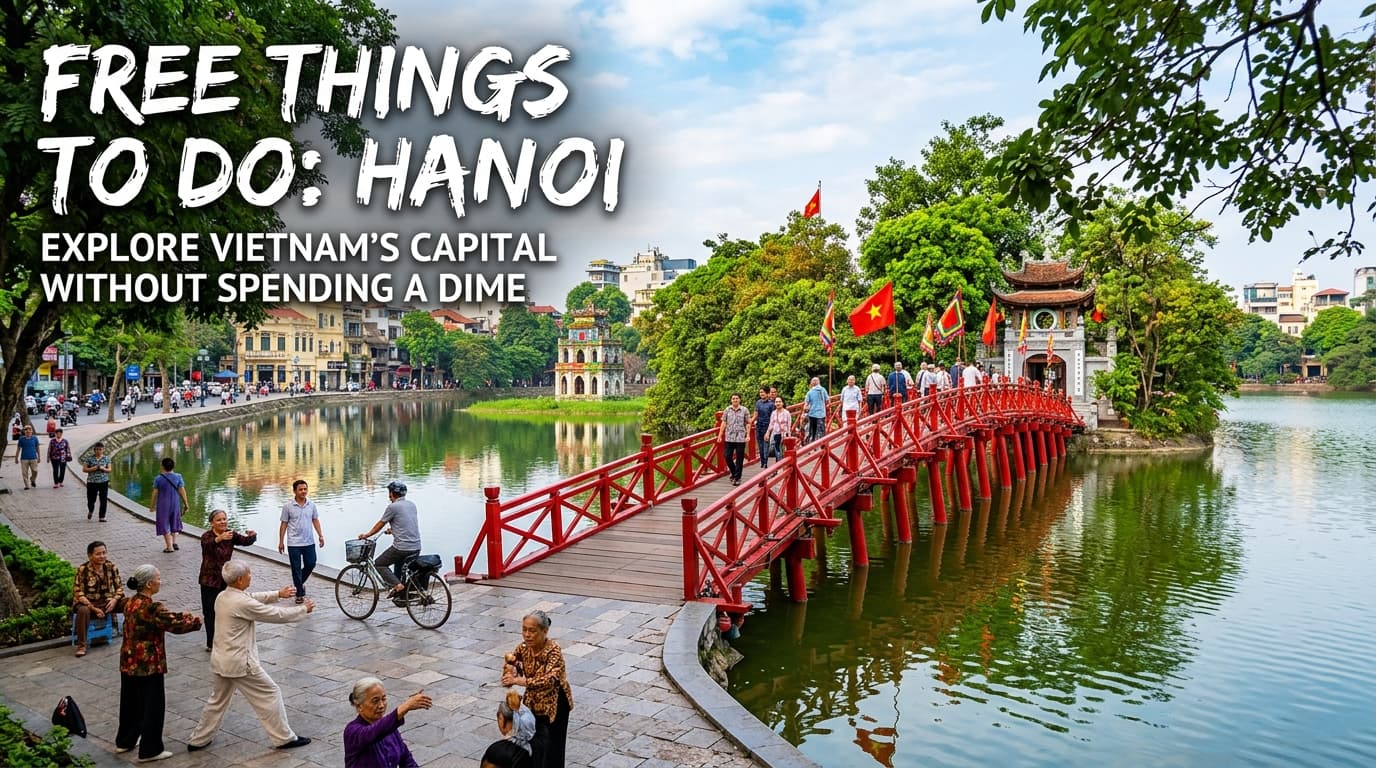
Free Things to Do in Hanoi (No Entry Fee Needed)
After two years living in Hanoi, we've learned that the city's greatest treasures don't require a single dong. From ancient temples hidden in narrow alleyways to vibrant street markets and serene lakes, Hanoi offers endless free experiences that reveal the soul of Vietnam's capital. Whether you're a budget backpacker or simply want to maximize your time without entry fees, this guide covers everything you need to know.
Key Takeaways
| Question | Answer |
|---|---|
| What is the best time to visit Hanoi? | October to April (cool, dry weather; 15–25°C). Avoid May–September (hot, humid, 30–35°C). |
| How much does it cost to do free activities? | 0 VND entry fees; budget 100,000–200,000 VND ($4–8 USD) daily for food and transport. |
| How do I get around for free or cheap? | Walk the Old Quarter, use local buses (5,000–10,000 VND), or rent a motorbike (100,000–150,000 VND/day). |
| Is it safe to explore Hanoi alone? | Yes. Hanoi is generally safe for solo travelers. Avoid dark alleys at night; stick to main streets and tourist areas. |
| What should I book in advance? | Nothing—free activities are walk-up. Book paid tours or cooking classes only if interested. |
| Can I really spend zero money in Hanoi? | Mostly yes. You'll need to budget for food, transport, and occasional paid activities—but entry to temples, parks, and markets is free. |
1. Explore the Old Quarter on Foot (Completely Free)
The Hanoi Old Quarter is a living museum where centuries of history unfold on every street corner. When we first wandered these narrow lanes, we were struck by how little money we needed to experience authentic Hanoi—the real cost is simply time and curiosity. This 36-street neighborhood has been a trading hub since the 15th century, and each street traditionally specialized in a single product: Hang Gai (silk), Hang Bac (silver), Hang Dao (silk dye).
Walking the Old Quarter costs nothing, and the experience is priceless. You'll encounter street vendors preparing breakfast, locals playing cards on plastic stools, and centuries-old shophouses squeezed together like a three-dimensional puzzle. The streets are narrow—some barely 2 meters wide—creating an intimate, maze-like atmosphere that rewards exploration.
Best Routes and Hidden Corners
Walking the main arteries like Hang Gai, Hang Bac, and Hang Dao takes 2–3 hours and gives you a solid overview. But our favorite approach is to wander deeper: duck into Hang Ngang, Hang Buom, and the alleys between them. You'll find local restaurants, tiny temples tucked between shops, and genuine street life untouched by tourism.
- Sunrise walk (5–7 AM): Fewer tourists, cooler air, locals doing tai chi in small parks. The energy is completely different.
- Evening stroll (5–7 PM): Street food vendors set up, the light is golden, and the neighborhood transforms into a social hub.
- Photography tip: Early morning light on the weathered shophouse facades is stunning—bring a camera.
Wear comfortable walking shoes and stay hydrated. The Old Quarter's narrow streets are uneven, and there's no shade. Carry a reusable water bottle and refill at convenience stores (10,000 VND per bottle).
2. Visit Ancient Temples and Pagodas (Free or Donation-Based)
Hanoi is home to some of Vietnam's oldest and most spiritually significant temples. The remarkable thing is that most charge no entry fee—they survive on voluntary donations, which means you can explore at your own pace without financial pressure. During our time in the city, we visited dozens of temples, and the generosity of spirit we encountered was as memorable as the architecture itself.
Ngoc Son Temple on Hoan Kiem Lake is the most famous and absolutely worth visiting. Built in the 18th century and dedicated to the legendary turtle god, it sits on a small island connected by a red wooden bridge. The temple is open daily, and while donations are welcome (typically 10,000–20,000 VND), there's no mandatory entry fee. The surrounding lake area is equally beautiful for free exploration.
Temple Etiquette and Best Times to Visit
Dress respectfully: Cover shoulders and knees. Remove shoes before entering prayer halls. Photography inside temples is usually allowed but ask first—some areas are off-limits. Visit early morning (6–8 AM) when monks are chanting; the atmosphere is meditative and authentic.
- Tran Quoc Pagoda: Hanoi's oldest pagoda (6th century), perched on a peninsula jutting into West Lake. The views are stunning, and it's rarely crowded in the morning.
- One Pillar Pagoda: An iconic 11th-century structure shaped like a lotus flower. It's small but architecturally unique and free to visit.
- Quan Thanh Temple: Dedicated to a Taoist deity, this 11th-century temple is less touristy and offers authentic local worship experiences.
Did You Know? Ngoc Son Temple's red wooden bridge is called "The Bridge of the Rising Sun" and is said to ward off evil spirits. The design follows traditional feng shui principles dating back centuries.
3. Relax at Hoan Kiem Lake (Free Urban Oasis)
Hoan Kiem Lake sits at the heart of Hanoi and is completely free to access. The 3.4-kilometer walking path around the lake is one of the city's best free activities, offering locals and travelers a chance to escape the chaos of traffic and pollution. Early morning, when the lake is mist-covered and locals practice tai chi on the grass, is magical.
The lake has deep cultural significance—legend says a magical turtle emerged from its waters in the 15th century to help defeat Chinese invaders. Today, it's a peaceful retreat where you can walk, sit, people-watch, or simply breathe. The surrounding neighborhoods (particularly the north shore) have excellent street food vendors and cheap coffee shops where you can extend your visit for minimal cost.
What to Do Around the Lake
Morning tai chi and exercise: Arrive before 7 AM to see locals doing tai chi, jogging, and practicing martial arts on the grass. It's free to watch and genuinely inspiring.
- Lakeside cafes: Grab a Vietnamese coffee (ca phe sua da) for 15,000–25,000 VND ($0.60–1 USD) and sit for hours. Vendors won't rush you.
- Photography spots: The red bridge to Ngoc Son Temple, the sunrise over the water, and the tree-lined paths are Instagram-worthy.
- Sunset walk: The lake transforms in the evening light, and the surrounding streets fill with food vendors and families.
Skip the hassle — book Vietnam day trips, cooking classes, and experiences in advance with instant confirmation.
Browse Activities on Klook → Scan me
4. Street Food Markets and Night Markets (Mostly Free to Browse)
The real Hanoi reveals itself in its markets. Dong Xuan Market (the Old Quarter's largest covered market) and the night markets that pop up around the city are free to walk through, and you'll learn more about Vietnamese culture in an hour here than in a week of guidebook reading. The sensory overload—sights, smells, sounds—is part of the experience.
When we explored Dong Xuan with a local friend, we realized that markets are social spaces first and commercial spaces second. Vendors chat, haggle, and joke with customers. It's theater, and the admission is free. You'll see everything from live fish and poultry to textiles, electronics, and souvenirs. The energy is chaotic but authentic.
Market Etiquette and Best Times
Compare hotels, resorts, and guesthouses across Vietnam with free cancellation on most bookings.
Search Hotels on Booking.com → Scan me
Arrive early (6–8 AM) for the freshest produce and the most authentic atmosphere. By mid-morning, it's crowded with tourists. Be respectful with photography—ask before taking pictures of vendors or their goods. Many are happy to oblige, but it's polite to ask first.
- Dong Xuan Market: Open daily 6 AM–6 PM. Three floors of everything. The food section (ground floor) is the most interesting for visitors.
- Night markets: Set up around the Old Quarter (usually 6–11 PM). Vendors sell street food, clothes, and souvenirs. Walking and browsing is free; eating costs 20,000–50,000 VND per item.
- Flower Market (Hang Luoc): A smaller, more atmospheric market specializing in flowers and plants. Best visited early morning.
5. Walk Along the Red River (Scenic and Free)
The Red River runs through Hanoi, and the walking paths along its banks offer a different perspective on the city. The river is historically significant—it's been central to Hanoi's development for over a thousand years—and walking its banks is free and surprisingly peaceful given the urban setting.
The Long Bien Bridge, built by the French in 1902, is an iconic structure that you can walk across for free. From the bridge, you get views of the river, the city skyline, and local life unfolding below. The neighborhoods on both sides of the river are worth exploring, especially the quieter residential areas where you'll see how ordinary Hanoians live.
Best Sections to Walk
From Long Bien Bridge southward toward Thong Nhat Park offers the most scenic stretches. The path is flat, shaded in places, and less crowded than Hoan Kiem Lake. Early morning (6–8 AM) is best—fewer people, cooler air, and beautiful light.
- Photography: The bridge at sunrise, the river mist, and the daily life of fishermen and vendors along the banks.
- Local experience: You'll see street food vendors, exercise groups, and families. Stop for a cheap breakfast (pho or banh mi) at a local stall.
- Safety note: Stick to main paths and avoid isolated areas after dark.
6. Visit French Colonial Architecture (Walking Tour, Free)
Hanoi's French Quarter is a living museum of colonial architecture. Wide tree-lined streets, villas with shuttered windows, and government buildings from the French Indochina era create an atmosphere that feels transported from Paris. The best part? Walking through this neighborhood is completely free, and the architecture tells stories of Vietnam's complex history.
Our team spent entire afternoons wandering streets like Tran Hung Dao, Ngo Thi Nham, and around the Opera House, simply admiring the buildings. Many are still in use—government offices, hotels, restaurants—so you can appreciate them from the outside or pop inside cafes and shops housed in colonial buildings.
Key Colonial Landmarks to See
The Hanoi Opera House (Nha Hat Lon) is the most iconic structure, built in 1911. You can walk around it, photograph it, and if you're interested, check ticket prices for evening performances. The surrounding streets are equally photogenic.
- St. Joseph's Cathedral: Built in 1886, this Gothic cathedral is free to enter (respectfully). The interior is stunning, and the exterior is a striking contrast to the surrounding Vietnamese architecture.
- Sofitel Legend Metropole Hotel: A colonial-era hotel (1901) where you can walk through the lobby and admire the architecture, or grab a coffee in the courtyard for 50,000–100,000 VND.
- Tree-lined streets: Tran Hung Dao, Ngo Thi Nham, and the area around Hoan Kiem Lake feature the best-preserved colonial villas.
Did You Know? Hanoi's French Quarter was designed with wide streets and open spaces to prevent disease spread during the colonial period. The tree-lined avenues were intentional urban planning, not just aesthetics.
Source: Lonely Planet Vietnam
7. Explore Street Art and Murals (Free Urban Gallery)
In recent years, Hanoi's street art scene has exploded. Colorful murals, stencil art, and creative installations have transformed certain neighborhoods, particularly around the Old Quarter and emerging areas like Tay Ho. Walking these streets is like exploring an open-air gallery, and it's completely free.
The street art is constantly changing—new murals appear, old ones fade—so each visit reveals something different. The art often reflects Vietnamese culture, history, and contemporary social issues. It's a window into how younger Hanoians see their city.
Where to Find the Best Street Art
Tay Ho District has the highest concentration of colorful murals. Walk around the streets near Tay Ho Lake, and you'll find walls covered in vibrant artwork. The Old Quarter also has pockets of street art, particularly in less-touristy alleys.
- Photography: Bring a camera. The murals are designed to be photographed, and the light is best in early morning or late afternoon.
- Local artists: You might encounter artists working on new pieces. They're usually happy to chat and explain their work.
- Respect: Don't touch the art, and be mindful that some areas are residential. Keep noise levels down.
8. Enjoy Free Water Puppet Theater Rehearsals (If Lucky)
Water puppet theater is a traditional Vietnamese art form unique to the north, and while performances require paid tickets (typically 100,000–200,000 VND), sometimes you can catch rehearsals or practice sessions for free. The main venue is Thang Long Water Puppet Theatre, and if you visit during off-hours, you might peek inside or catch informal practice.
This is less reliable than other free activities, but worth asking about when you visit. Even if you can't see a full rehearsal, learning about water puppetry—the history, the puppets, the traditional music—is fascinating and adds depth to your understanding of Vietnamese culture.
How to Experience Water Puppetry on a Budget
Skip the hassle — book Vietnam day trips, cooking classes, and experiences in advance with instant confirmation.
Browse Activities on Klook →
Scan me
Ask at your accommodation if they know when rehearsals happen. Visit the theater during the day and ask staff directly—they're often friendly and might let you watch for a few minutes. Watch YouTube videos of water puppet performances beforehand so you understand what you're seeing.
- If you splurge: Evening performances are worth the 100,000–200,000 VND cost. The show is about 50 minutes and deeply cultural.
- Combine with nearby activities: The theater is near Hoan Kiem Lake, so you can walk around the lake before or after.
Discover the best guided tours and activities in Hanoi, Ho Chi Minh City, Da Nang and beyond.
Browse Tours on GetYourGuide → Scan me
9. Climb Hanoi's Rooftops (Free Views, Mostly)
Many hotels and cafes in the Old Quarter have rooftop areas with stunning views of the city. While you're technically expected to be a customer, many establishments are relaxed about it if you're respectful. Grab a cheap coffee (15,000–25,000 VND) and you've earned your rooftop time.
The views from rooftops in the Old Quarter are incredible—you see the maze of narrow streets, the red-tiled roofs, the chaos and order of Hanoi all at once. Sunset from a rooftop is particularly magical. During our time in Hanoi, we discovered that some of the best moments came from simply sitting on a rooftop with a coffee, watching the city transform as the sun set.
Best Rooftop Cafes (Budget-Friendly)
Rooftop cafes in the Old Quarter typically charge 15,000–40,000 VND for drinks. You're not paying for the view per se—you're paying for the drink, and the view is a bonus. Many cafes have no time limit, so you can stay for hours.
- Sunrise rooftop: Arrive early (6–7 AM) for a quieter experience and beautiful light.
- Sunset rooftop: Arrive by 5 PM to secure a good spot before it gets crowded.
- Photography: Bring a camera. The light, the city layout, and the activity below make for great photos.
10. Visit Parks and Green Spaces (Free Recreation)
Beyond Hoan Kiem Lake, Hanoi has several parks that are completely free and offer respite from the city's chaos. Thong Nhat Park (Reunification Park) is large, tree-filled, and popular with locals. Lenin Park offers green space and is less crowded than Hoan Kiem. These parks are perfect for picnicking, reading, or simply sitting and observing local life.
When we needed a break from the Old Quarter's intensity, we'd head to one of these parks with snacks from a nearby market and spend an afternoon under the trees. It's a free, authentic way to experience Hanoi like a local rather than a tourist.
What to Do in Hanoi's Parks
Bring a picnic: Buy snacks from a market (banh mi, fruit, drinks) for 20,000–50,000 VND total and eat in the park. Exercise with locals: Join tai chi or jogging groups in the early morning. Read or work: Many parks have benches and shade. Bring a book or laptop and spend hours here.
- Thong Nhat Park: Large, tree-filled, near the Red River. Good for long walks.
- Lenin Park: Smaller, quieter, near Hoan Kiem Lake. Good for relaxation.
- Ly Thai To Park: Small park on Hoan Kiem Lake's north shore. Excellent for sunrise.
Sample Daily Budget for Hanoi (Budget Traveler)
Here's a realistic breakdown of daily costs when doing free activities:
| Item | Cost (VND) | Cost (USD) |
|---|---|---|
| Breakfast (pho or banh mi) | 30,000–50,000 | $1.20–2 |
| Lunch (street food or small restaurant) | 40,000–80,000 | $1.60–3.20 |
| Dinner (street food or local restaurant) | 50,000–100,000 | $2–4 |
| Coffee (ca phe sua da) | 15,000–25,000 | $0.60–1 |
| Local bus transport | 5,000–10,000 | $0.20–0.40 |
| Motorbike rental (optional, daily) | 100,000–150,000 | $4–6 |
| Snacks and drinks | 30,000–50,000 | $1.20–2 |
| TOTAL (without motorbike) | 170,000–315,000 | $6.80–12.60 |
| TOTAL (with motorbike rental) | 270,000–465,000 | $10.80–18.60 |
Note: These are 2026 estimates based on typical Hanoi street food and local transport prices. Prices vary by neighborhood and vendor.
Eat where locals eat. Street food stalls in the Old Quarter and residential neighborhoods are cheaper and more authentic than tourist-oriented restaurants. A full meal costs 30,000–60,000 VND ($1.20–2.40 USD).
Money-Saving Tips for Hanoi
Eat breakfast early: Street vendors offer the cheapest meals (pho, banh mi) between 6–8 AM. Prices can double by mid-morning.
Use local buses: A single journey costs 5,000–10,000 VND. Buy a rechargeable card (available at convenience stores) for multiple trips. Avoid taxis unless necessary—they're expensive by local standards (15,000–20,000 VND per km).
Skip paid attractions initially: Many temples, parks, and markets are free. Spend your first few days exploring these before deciding if paid museums or tours are worth the cost.
Drink tap water carefully: Tap water isn't safe to drink, but bottled water is cheap (10,000–15,000 VND per bottle). Refill at convenience stores rather than buying from street vendors (markup is significant).
Negotiate in markets: Street vendors and market stalls expect haggling. Start at 70% of the asking price and negotiate up. This applies to souvenirs, not food.
Stay in the Old Quarter or nearby: Accommodation is cheaper here, and you're walking distance to free activities. Budget 150,000–300,000 VND ($6–12 USD) per night for a basic room.
When to Visit Hanoi (Best Times for Free Activities)
Compare car rental prices across Vietnam. Pick up at airports or city locations with flexible cancellation.
Compare Car Rentals →
Scan me
October to April is ideal. Temperatures range from 15–25°C (59–77°F), humidity is lower, and the air is clearer. This is when outdoor activities like walking the Old Quarter, exploring parks, and visiting temples are most enjoyable.
Avoid May to September. Temperatures soar to 30–35°C (86–95°F), humidity is oppressive (80%+), and the air quality deteriorates. Free outdoor activities become uncomfortable, and you'll spend more on cooling drinks and transportation to escape the heat.
Lunar New Year (Tet) is culturally significant but crowded and expensive. Many businesses close for a week, which can limit options.
Safety and Practical Considerations
Hanoi is generally safe for solo travelers and small groups. Petty theft exists, but violent crime against tourists is rare. Keep valuables secure, avoid isolated alleys after dark, and use common sense.
Traffic is chaotic. When crossing streets, walk slowly and steadily—don't run or hesitate. Drivers expect pedestrians to move predictably. Wear bright colors or reflective gear if walking at night.
Air quality varies. Check the Air Quality Index (AQI) before planning outdoor activities. During winter (November–February), pollution can spike. If the AQI is above 150, consider indoor activities.
Language barrier: English is spoken in tourist areas but less common in residential neighborhoods. Learn a few basic Vietnamese phrases, carry a translation app, and be patient.
Frequently Asked Questions
What's the best free activity in Hanoi?
Walking the Old Quarter is our top recommendation. It's free, immersive, and reveals authentic Hanoi better than any paid tour. Combine it with a visit to Hoan Kiem Lake and Ngoc Son Temple for a full morning of free exploration.
Can I really spend zero money in Hanoi?
Technically yes, but practically no. You'll need to budget for food, local transport, and basic necessities. However, you can minimize costs significantly by focusing on free activities and eating street food. A realistic daily budget is 150,000–250,000 VND ($6–10 USD) for food and transport.
Is it safe to walk around Hanoi at night?
Hanoi is generally safe at night in well-lit, populated areas like the Old Quarter and around Hoan Kiem Lake. Avoid dark alleys, deserted streets, and isolated neighborhoods after 10 PM. Stick to main streets and areas with other people.
Do temples really have no entry fee?
Most temples in Hanoi are free to enter, though donations are welcome and encouraged. Donations typically range from 10,000–50,000 VND ($0.40–2 USD) depending on the temple and your means. There's no obligation, but it's respectful to contribute if you can.
What's the cheapest way to get around Hanoi?
Walking is free. Local buses cost 5,000–10,000 VND per trip. Motorbike rentals are 100,000–150,000 VND per day if you want more flexibility. Taxis and ride-sharing apps (Grab) are convenient but more expensive (15,000–20,000 VND per km).
How long should I spend in Hanoi?
3–5 days is ideal. This gives you time to explore the Old Quarter thoroughly, visit temples and parks, relax at Hoan Kiem Lake, and experience the city's rhythm without feeling rushed. Budget travelers can spend a week here comfortably on free activities.
Conclusion
Hanoi doesn't require a big budget to reveal its magic. The city's greatest treasures—its history, culture, food, and people—are accessible to anyone willing to walk, observe, and engage. From the labyrinthine Old Quarter to serene temples, vibrant markets, and peaceful parks, you can spend days in Hanoi without paying a single entry fee.
Our experience living in Hanoi taught us that the best travel happens when you slow down, get lost in narrow alleys, chat with locals over cheap coffee, and simply observe. Free activities aren't a compromise—they're often the most authentic and memorable.
Ready to experience Hanoi on a budget? Start with the Old Quarter, grab a coffee, and let curiosity guide you. For more budget travel tips across Vietnam, check out our Vietnam on a Budget guide, and explore other North Vietnam destinations to extend your adventure.
Have you discovered free activities in Hanoi we missed? Share your tips in the comments below—we'd love to hear from fellow travelers who've found hidden gems in Vietnam's capital.
Bronnen & Referenties
Dit artikel is gebaseerd op eigen ervaring en geverifieerd met de volgende officiële bronnen:

Go2Vietnam Team
Vietnam verkennen sinds 2020 | 40+ provincies bezocht | Maandelijks bijgewerkt
Wij zijn een team van reisschrijvers en Vietnam-liefhebbers die het land het hele jaar door verkennen. Onze gidsen zijn gebaseerd op eigen ervaring, lokale kennis en geverifieerde officiële bronnen.
Meer over ons →Anderen lezen ook
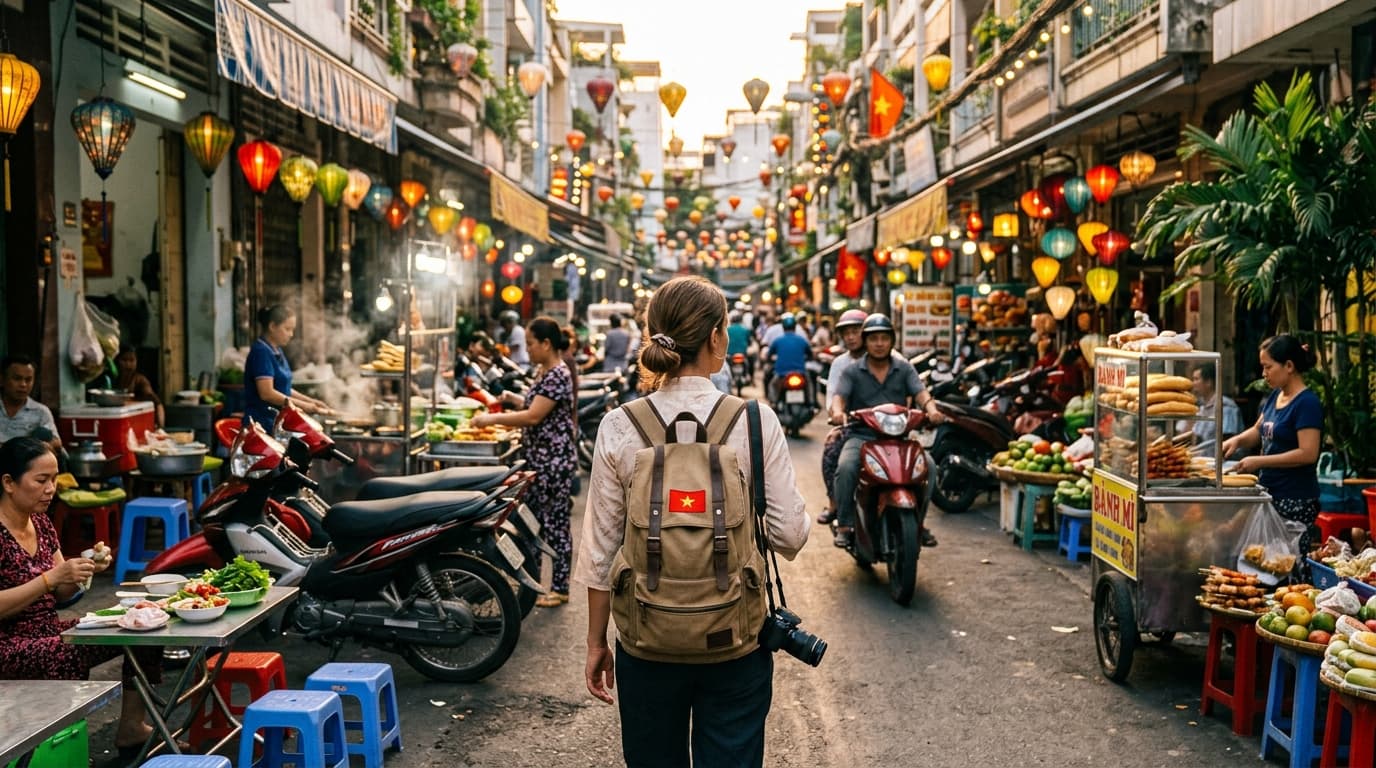
Free Things to Do in Ho Chi Minh City: Budget Travel Guide 2025
Explore Ho Chi Minh City without breaking the bank. Free attractions, budget eats, and insider tips for travelers on a tight budget.
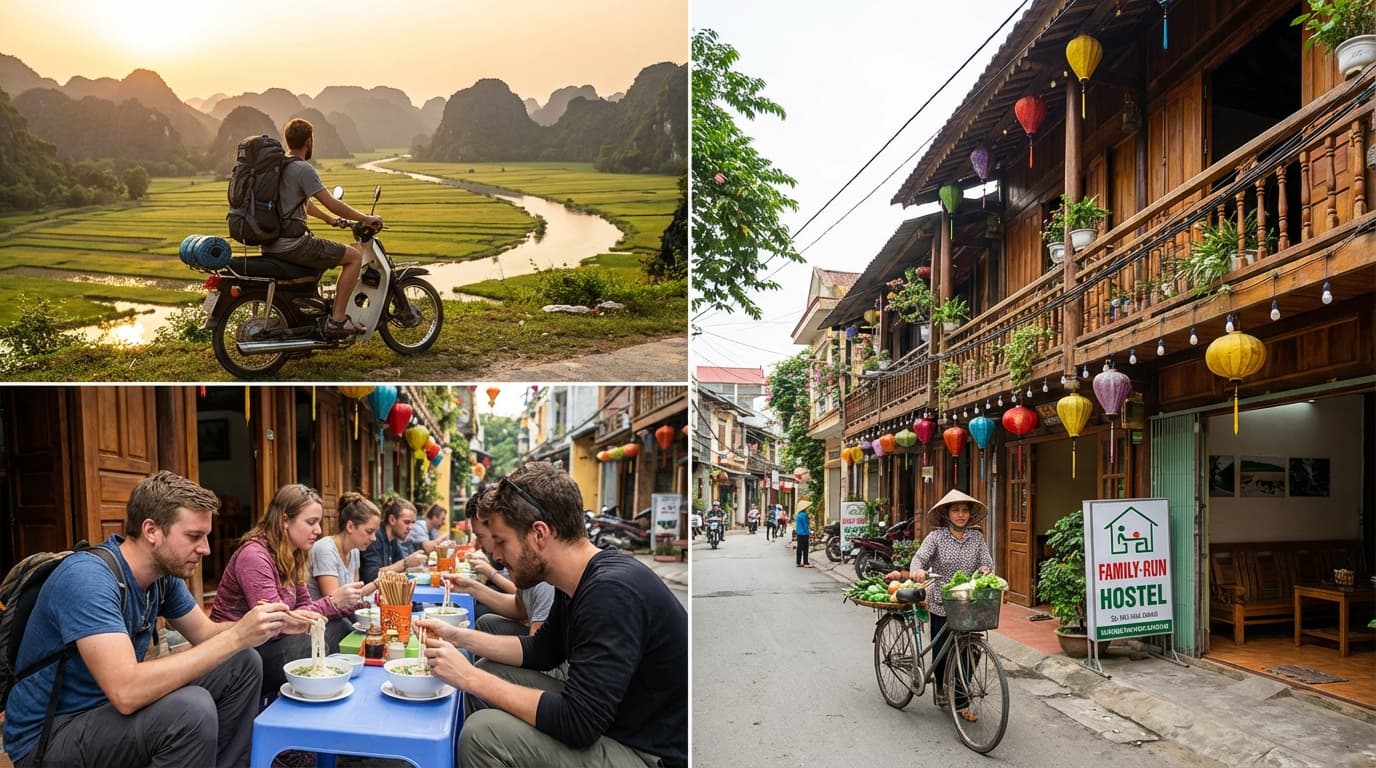
Budget Hostels vs Guesthouses in Vietnam: Honest Comparison
Compare budget hostels and guesthouses in Vietnam with real prices in VND and USD. Honest guide to where to stay, save money, and splurge.
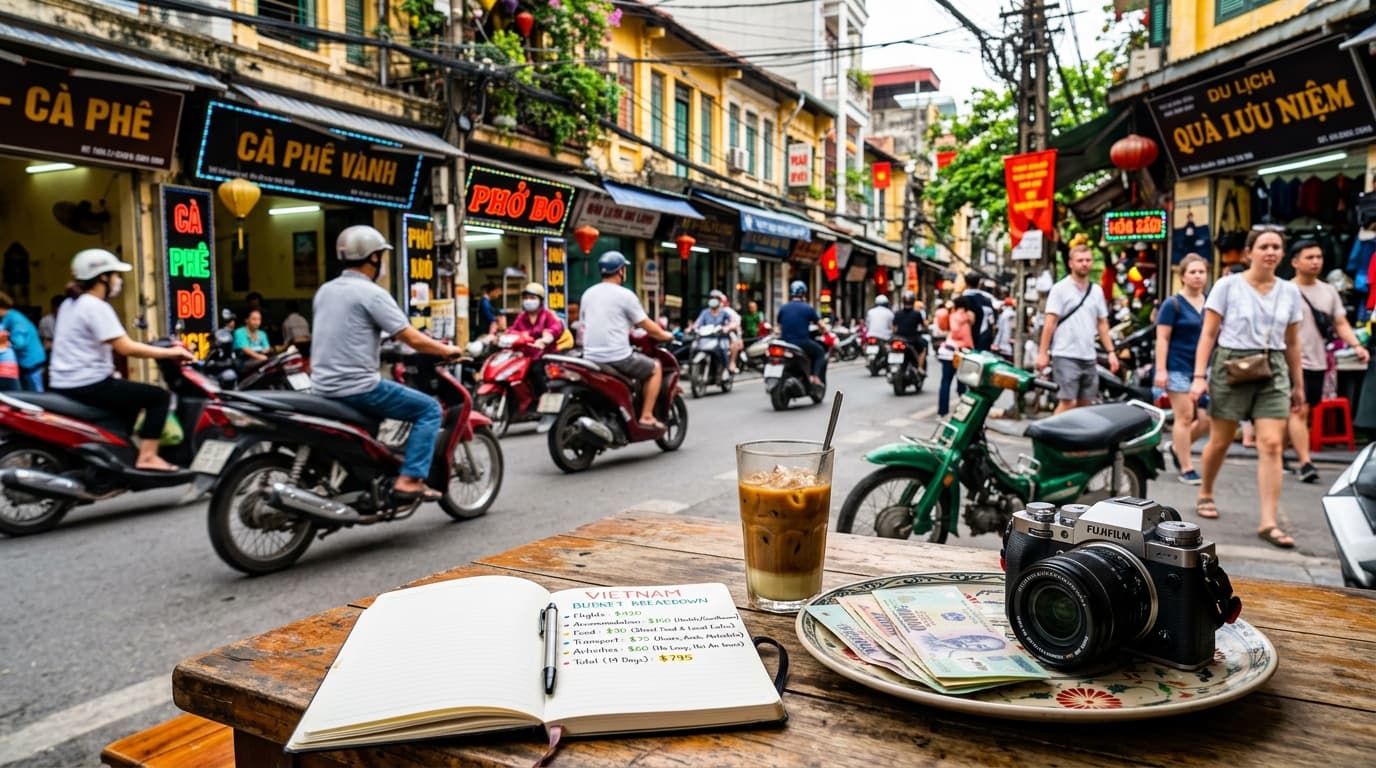
Vietnam Travel Costs: Detailed Daily Budget Breakdown for 2026
Real 2026 Vietnam travel costs broken down by category and city. Accommodation from 200,000 VND/night, street food from 25,000 VND. Includes hostel prices, transport costs, and total trip estimates.
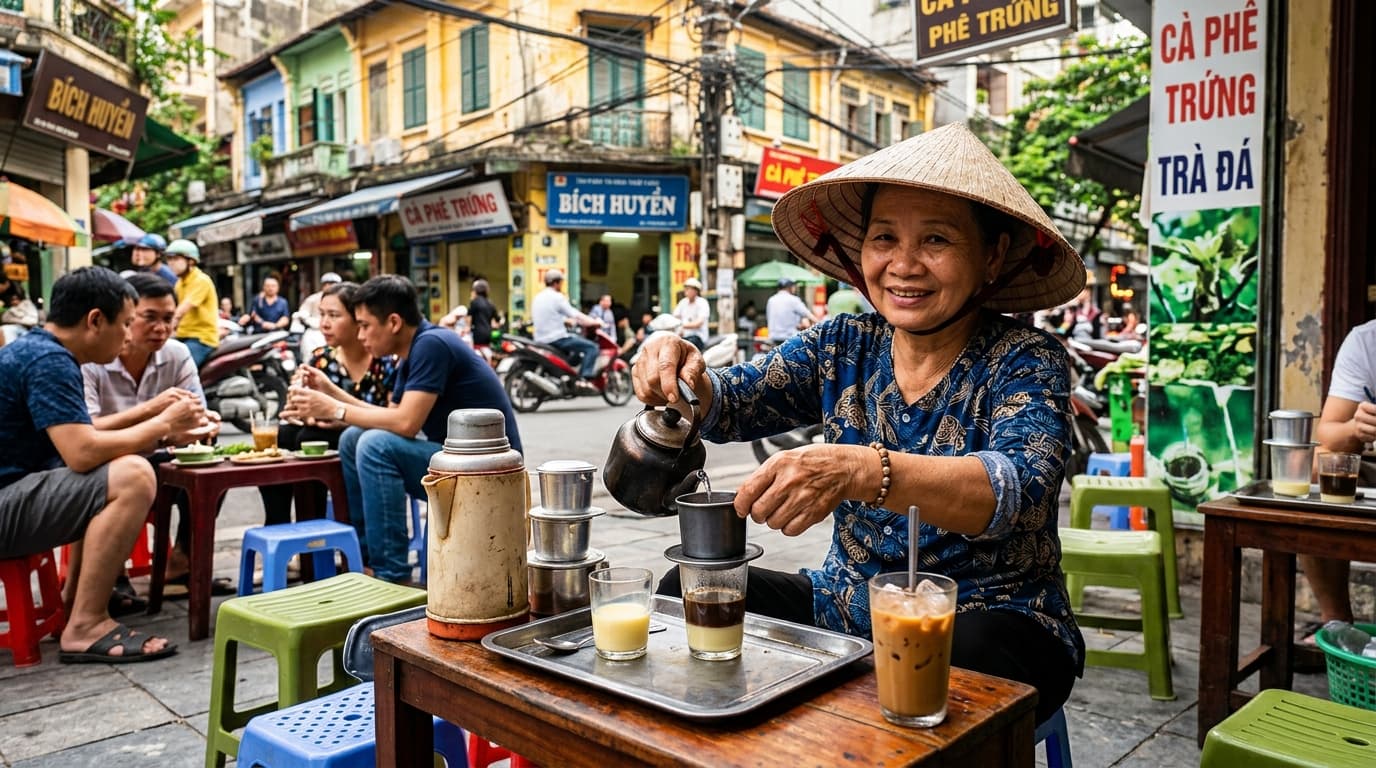
Vietnamese Coffee Culture: From Cà Phê Sữa Đá to Specialty Roasters
The complete guide to Vietnamese coffee culture: history, types of cà phê, where to drink the best egg coffee and cà phê sữa đá, and the best specialty roasters in each city.
Plan Your Vietnam Trip
Book hotels, transport, activities, and get connected with an eSIM
Some links are affiliate links. We may earn a commission at no extra cost to you.