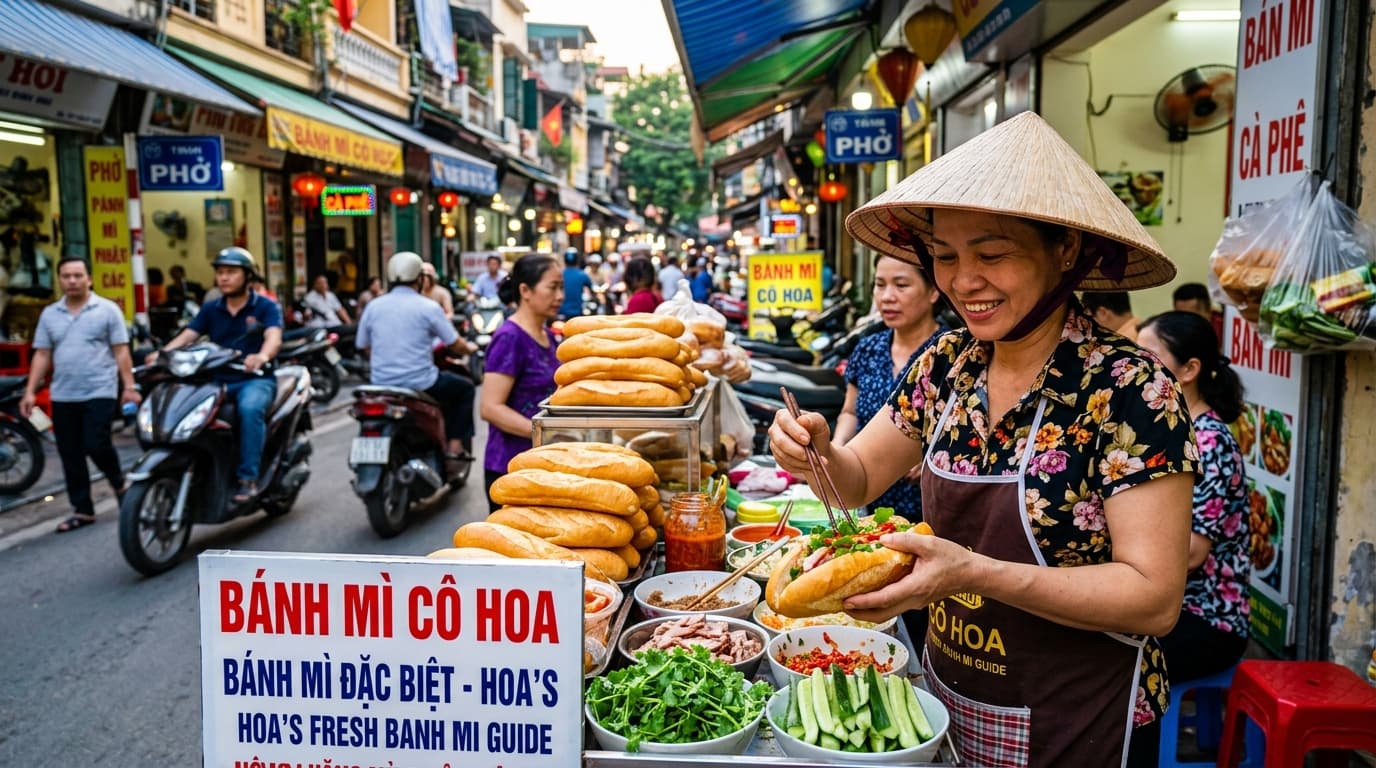
Banh Mi: A Complete Guide to Vietnam's Perfect Sandwich
Bite into a banh mi in Hanoi at dawn, and you've tasted Vietnam's entire culinary history in one crispy, fragrant moment. This isn't just a sandwich—it's a edible love letter to French colonialism, Chinese influence, and Vietnamese ingenuity, all wrapped in paper and sold for pocket change on a street corner.
Key Takeaways
| Question | Answer |
|---|---|
| What is banh mi? | A Vietnamese sandwich combining French bread, pâté, cold cuts, and pickled vegetables |
| How much does it cost? | 20,000–50,000 VND ($0.80–$2 USD) depending on fillings and location |
| Best time to eat it? | Early morning (6–9 AM) when bread is freshest and vendors are busiest |
| Where's the best banh mi? | Ho Chi Minh City and Hanoi have the most vendors; regional variations in Hue and Da Nang |
| Is it safe to eat street banh mi? | Yes—high turnover means fresh ingredients; stick to busy vendors |
| Can I make it vegetarian? | Absolutely; many vendors offer tofu, egg, or vegetable-only versions |
1. The History and Soul of Banh Mi
Banh mi emerged from Vietnam's colonial past, a delicious accident of cultural collision. When the French arrived in the 19th century, they brought their baguette-making tradition—something Vietnam had never seen before. Local bakers adapted the recipe, using rice flour to lighten the crumb and create something uniquely Vietnamese: a crispy exterior that shatters between your teeth, a tender interior that never gets dense.
The sandwich itself became the ultimate street food during the Vietnam War, when American military presence brought canned pâté and processed meats into Vietnamese markets. Rather than reject these foreign ingredients, Vietnamese vendors integrated them into something entirely their own. Today, banh mi represents the Vietnamese philosophy of taking what the world offers and making it unmistakably local.
The Bread: The Foundation of Everything
The bánh mì bread itself is sacred. It's shorter and narrower than a French baguette, with a thinner crust and airier crumb. When we explored the backstreets of Hanoi at 5 AM, we watched bakers pull fresh loaves from wood-fired ovens every 20 minutes. The bread must be eaten the same day—ideally within hours of baking. This is why the best banh mi vendors start their day before dawn.
The Filling Philosophy
Unlike Western sandwiches that layer ingredients haphazardly, banh mi follows a precise architecture. Pâté goes first (it acts as a moisture barrier), then cold cuts, then fresh vegetables, then pickled vegetables, then fresh herbs. This order isn't accidental—it's designed so each bite delivers balanced texture and flavor. The pickled vegetables provide acidity that cuts through the richness of the pâté, while fresh cilantro and mint brighten everything.
Did You Know? The Vietnamese consume an estimated 2 million banh mi sandwiches daily, making it one of the world's most popular sandwiches by volume.
Source: VnExpress International
2. Classic Northern Style vs. Southern Style
Vietnam's geography creates distinct banh mi traditions. The north and south approach this sandwich differently, reflecting broader culinary philosophies that divide the country.
Northern Banh Mi: Subtle and Refined
In Hanoi and the North Vietnam region, banh mi is restrained. The bread is slightly smaller, the fillings more modest. You'll find quality pâté (often house-made), thin slices of Vietnamese cold cuts (chả lua), and a careful balance of pickled daikon and carrot. Fresh herbs are used sparingly—a few leaves of cilantro, perhaps some mint. The philosophy is "let the ingredients speak."
Northern vendors often skip mayonnaise entirely, or use it so sparingly you barely notice it. The focus is on the bread's quality and the pâté's flavor. When we spent time in Hanoi's Old Quarter, we noticed vendors took pride in their pâté recipes, some passed down through families for decades.
Southern Banh Mi: Bold and Abundant
Ho Chi Minh City and the South Vietnam region embrace abundance. The bread is slightly larger, the fillings more generous. You'll find mayonnaise (sometimes lots of it), multiple types of cold cuts, pickled vegetables piled high, and fresh herbs overflowing from the sides. Southerners add extras northerners skip: fried shallots, crispy pork skin (chicharrones), even a fried egg.
The southern approach reflects the region's agricultural abundance and more relaxed approach to food. In our experience, southern banh mi vendors are more likely to customize—add this, skip that, extra mayo, extra spice. The sandwich is a canvas, not a fixed recipe.
| Style | Best For | Fillings | Bread Size | Herbs |
|---|---|---|---|---|
| Northern | Purists, pâté lovers | Pâté, cold cuts, pickled veg | Smaller (6-7 inches) | Minimal |
| Southern | Adventurous eaters | Multiple meats, mayo, extras | Larger (8-9 inches) | Abundant |
| Central | Balance seekers | Moderate fillings, regional meats | Medium | Moderate |
3. Essential Banh Mi Fillings Explained
Understanding what goes into a banh mi helps you order confidently and appreciate the craft behind each sandwich.
The Proteins
Pâté (often labeled as "pâté gan") is the soul of traditional banh mi. Vietnamese pâté is finer-textured and less gamey than French versions, made from pork liver blended with pork fat and aromatics. The best pâté is smooth, spreadable, and rich without being overwhelming.
Chả lua (Vietnamese cold cut) is a pressed pork product that's been part of Vietnamese cuisine for centuries. It's mild, slightly sweet, and provides textural contrast to the soft pâté. Thịt nạc (lean pork) is sometimes added for extra protein. In southern versions, you might find giò (Vietnamese ham) or even thịt gà (chicken).
The Vegetables
Cà rốt chua (pickled carrot) and cải chua (pickled daikon) are essential. These aren't just garnish—they're the acid that balances the sandwich's richness. The pickling liquid is typically vinegar, sugar, and salt, creating a sharp, slightly sweet flavor. Fresh cải chua (daikon) and cà rốt (carrot) are also included for crunch.
The Herbs and Aromatics
Fresh mùi tây (cilantro), húng cay (Thai basil), and bạc hà (mint) are standard. Some vendors add rau mùi (Vietnamese coriander) for an earthy note. These aren't afterthoughts—they're what makes banh mi taste like Vietnam.
The Condiments
Mayonnaise is controversial among banh mi purists. Northern vendors use it sparingly or not at all. Southern vendors embrace it. Soy sauce or nước mắm (fish sauce) is sometimes drizzled inside. Chili (either fresh or in paste form) is optional but common, especially in the south.
4. Regional Variations Across Vietnam
Banh mi isn't monolithic. Travel across Vietnam and you'll discover fascinating regional twists that reflect local ingredients and tastes.
Central Vietnam's Sophisticated Take
In Hue and Da Nang, banh mi incorporates local specialties. You might find thịt chua (sour pork), a Hue specialty, or bánh mì cá cơm (anchovy banh mi), reflecting the central coast's fishing heritage. These versions are less common but deeply authentic to their regions.
Mekong Delta Variations
In Can Tho and the Mekong Delta, vendors add tropical touches—sometimes a slice of fresh papaya or mango, reflecting the region's fruit abundance. Fish-based proteins are more common here, given the delta's aquaculture.
Vegetarian and Modern Adaptations
Across all regions, vegetarian banh mi has become mainstream. Banh mi chay substitutes tofu, tempeh, or mushrooms for meat, maintaining the sandwich's essential character. Some modern vendors experiment with banh mi cá (fish banh mi) or banh mi tôm (shrimp banh mi), though these are less traditional.
Did You Know? UNESCO doesn't officially recognize banh mi as a cultural heritage food, but food historians argue it should be—it's one of the world's most successful examples of culinary fusion.
Source: Atlas Obscura
5. Where to Find the Best Banh Mi
The best banh mi isn't in restaurants—it's on the street, sold by vendors who've perfected their craft over decades.
Hanoi's Best Banh Mi Neighborhoods
In Hanoi, the Old Quarter is ground zero for banh mi. Streets like Hàng Gà and Hàng Mành have vendors who've been selling the same sandwich for 20+ years. The competition is fierce, which means quality is consistently high. When we visited in early morning, we watched lines form before 7 AM.
Pro Tip: Look for vendors with the longest lines at 6–7 AM. High turnover means fresh bread and fresh fillings. Avoid vendors with bread sitting out—it dries quickly.
Ho Chi Minh City's Abundance
Ho Chi Minh City has banh mi on nearly every corner, but quality varies wildly. District 1 (the tourist area) has reliable vendors, though prices are higher (40,000–50,000 VND). Districts 3 and 5 have cheaper, equally good options (25,000–35,000 VND). Ben Thanh Market area is famous for banh mi vendors.
Best Spot: Early morning (before 8 AM) at any busy street corner in Districts 3 or 5. Vendors here prioritize locals over tourists, which usually means better value and fresher ingredients.
Central Vietnam's Hidden Gems
Da Nang and Hue have fewer vendors but often higher quality. The competition isn't as fierce, so vendors take pride in standing out. These cities are worth exploring if you want banh mi without the crowds.
6. How to Order Like a Local
Ordering banh mi in Vietnamese is simple, but knowing the right phrases elevates your experience and shows respect to vendors.
Essential Phrases
- "Một bánh mì pâté" = One banh mi with pâté (the classic)
- "Bánh mì thập cẩm" = Banh mi with mixed fillings (the most common)
- "Bánh mì chay" = Vegetarian banh mi
- "Không mỡ" = No mayonnaise
- "Cay" = Spicy
- "Không cay" = Not spicy
- "Thêm rau" = Extra herbs/vegetables
The Ordering Process
Most vendors work from a small stall or cart. Point to what you want, or simply say "một bánh mì" (one banh mi) and let them make their signature version. If you have preferences, state them clearly. Vendors appreciate customers who know what they want—it speeds up the process and shows you respect their craft.
Budget Option: Order "bánh mì thập cẩm" (mixed banh mi) rather than premium versions with extra pâté or meats. You'll get a complete sandwich for 20,000–30,000 VND.
Payment and Etiquette
Most vendors accept cash only. Have small bills ready. Tipping isn't expected but is appreciated—rounding up to the nearest 5,000 VND is common. Eat your banh mi standing up or sitting nearby on a plastic stool. Don't expect a napkin—banh mi is inherently messy. Embrace it.
7. Banh Mi vs. Similar Vietnamese Sandwiches
Vietnam has other sandwiches, but banh mi stands alone. Here's how it compares to similar dishes:
| Dish | Main Ingredient | Bread Type | Best For | Price |
|---|---|---|---|---|
| Banh Mi | Pâté, cold cuts, pickled veg | Crispy baguette | Breakfast, lunch | 20,000–50,000 VND |
| Bánh Mì Thịt Nướng | Grilled pork | Baguette | Lunch, dinner | 30,000–60,000 VND |
| Bánh Mì Cá | Grilled fish | Baguette | Coastal regions | 25,000–50,000 VND |
| Bánh Mì Tôm | Shrimp | Baguette | Coastal regions | 30,000–60,000 VND |
| Bánh Chưng | Sticky rice, pork | Rice cake | Tet (lunar new year) | 15,000–30,000 VND |
The key difference: banh mi uses cold, cured proteins and is eaten fresh and quick. Bánh mì thịt nướng uses grilled meat and is more of a sit-down meal. Goi cuon (spring rolls) are fresh and delicate; banh mi is hearty and portable.
8. The Art of Eating Banh Mi Without Making a Mess
Banh mi is intentionally messy. The bread is crispy, the fillings are abundant, and the pickled vegetables release liquid. Here's how locals handle it:
The Technique
Hold the sandwich firmly with both hands, thumbs underneath for support. Bite decisively—don't nibble. The crispy bread will shatter, sending crumbs everywhere. This is normal. Lean forward slightly so fillings fall into the paper wrapper, not your lap.
The Setup
Vendors wrap banh mi in paper specifically designed to catch drips. The paper is your plate, napkin, and trash receptacle all in one. Some vendors add a plastic bag for extra protection. Accept it gratefully.
The Pace
Eat your banh mi immediately after purchase, while the bread is still crispy. Waiting 10 minutes transforms the texture—the bread softens and becomes soggy. This is why locals eat standing up near the vendor, not sitting in a café across the street.
Pro Tip: If you're wearing white, reconsider. Pickled vegetables can stain. Dark colors are your friend when eating banh mi.
9. Making Banh Mi at Home
Recreating banh mi at home is possible, though the bread is the real challenge. Vietnamese banh mi bread requires specific flour ratios and technique that home ovens struggle to replicate.
What You Can Do
- Buy bread locally: If you live near a Vietnamese community, seek out banh mi bread from local bakeries. It's worth the effort.
- Use a compromise: A crispy baguette from a good bakery works if you can't find authentic banh mi bread. It won't be perfect, but it's acceptable.
- Make the fillings: Pâté is easier to source than you'd think—many specialty butchers carry it, or you can order online. Cold cuts are straightforward. The pickled vegetables are the real homemade win.
Pickling Your Own Vegetables
This is where home cooks can excel. Mix equal parts rice vinegar and water, add sugar and salt to taste, and pour over julienned daikon and carrot. Let it sit for at least 2 hours. Homemade pickled vegetables often taste better than store-bought versions.
10. Banh Mi Culture and Street Food Etiquette
Banh mi isn't just food—it's a social institution in Vietnam. Understanding the culture enriches your experience.
The Vendor Relationship
Banh mi vendors are artists. Many have been perfecting their craft for 20+ years. They remember regular customers, know their preferences, and take pride in their work. Treat them with respect. A simple "cảm ơn" (thank you) and a smile goes a long way.
The Timing
Breakfast banh mi (6–9 AM) is different from lunch banh mi (11 AM–2 PM). Morning vendors focus on pâté and cold cuts—classic versions. Lunch vendors sometimes offer variations with grilled meats or extras. If you want the "true" banh mi experience, go early.
The Social Aspect
Banh mi is eaten standing up, often in groups. It's a communal experience—vendors, customers, and passersby all share the same small space. This is where you'll overhear conversations, observe local life, and feel genuinely part of Vietnam's street food culture.
Budget Option: Banh mi is one of Vietnam's cheapest meals. A complete, delicious sandwich costs less than a coffee in most Western cities. This affordability is part of its genius—it's food for everyone, not just tourists or the wealthy.
Frequently Asked Questions
Is banh mi safe to eat from street vendors?
Absolutely. High turnover means fresh ingredients. Stick to busy vendors with lines—that's your quality guarantee. Avoid vendors with bread sitting out or fillings that look old.
Can I eat banh mi if I'm vegetarian?
Yes. Banh mi chay (vegetarian banh mi) is widely available. Vendors substitute tofu, tempeh, or mushrooms for meat while keeping everything else the same.
What's the best time to eat banh mi?
Early morning (6–9 AM) when bread is freshest and vendors are busiest. Lunch is fine too, but breakfast is when banh mi truly shines.
How much should I expect to pay?
20,000–50,000 VND ($0.80–$2 USD) depending on fillings and location. Tourist areas charge more; local neighborhoods charge less.
What's the difference between northern and southern banh mi?
Northern banh mi is restrained and refined, focusing on quality pâté and minimal mayo. Southern banh mi is abundant and bold, with generous fillings and more mayo. Both are delicious—it's a matter of preference.
Can I find banh mi outside Vietnam?
Yes, in Vietnamese communities worldwide. But it's never quite the same as eating it fresh in Vietnam, from a vendor who's been perfecting their recipe for decades.
Conclusion
Banh mi is more than a sandwich—it's Vietnam's culinary autobiography. Every bite tells a story of French colonialism, Chinese influence, American military presence, and Vietnamese resilience and creativity. It's affordable, delicious, and deeply authentic.
When you visit Vietnam, make banh mi a priority. Explore the best street food across Hanoi, Ho Chi Minh City, and beyond. Wake up early, find a busy vendor, order with confidence, and eat standing up. Let the crispy bread shatter between your teeth. Let the pickled vegetables cut through the richness. Let the fresh herbs transport you.
This is Vietnam, one perfect sandwich at a time.
For more Vietnamese culinary adventures, explore our complete food guide and discover other iconic dishes like pho, bun cha, and banh xeo.
The Go2Vietnam Team has lived and traveled throughout Vietnam, exploring its food culture from Hanoi's Old Quarter to Ho Chi Minh City's bustling markets. We write from genuine experience, not guidebooks.
Bronnen & Referenties
Dit artikel is gebaseerd op eigen ervaring en geverifieerd met de volgende officiële bronnen:

Go2Vietnam Team
Vietnam verkennen sinds 2020 | 40+ provincies bezocht | Maandelijks bijgewerkt
Wij zijn een team van reisschrijvers en Vietnam-liefhebbers die het land het hele jaar door verkennen. Onze gidsen zijn gebaseerd op eigen ervaring, lokale kennis en geverifieerde officiële bronnen.
Meer over ons →Anderen lezen ook
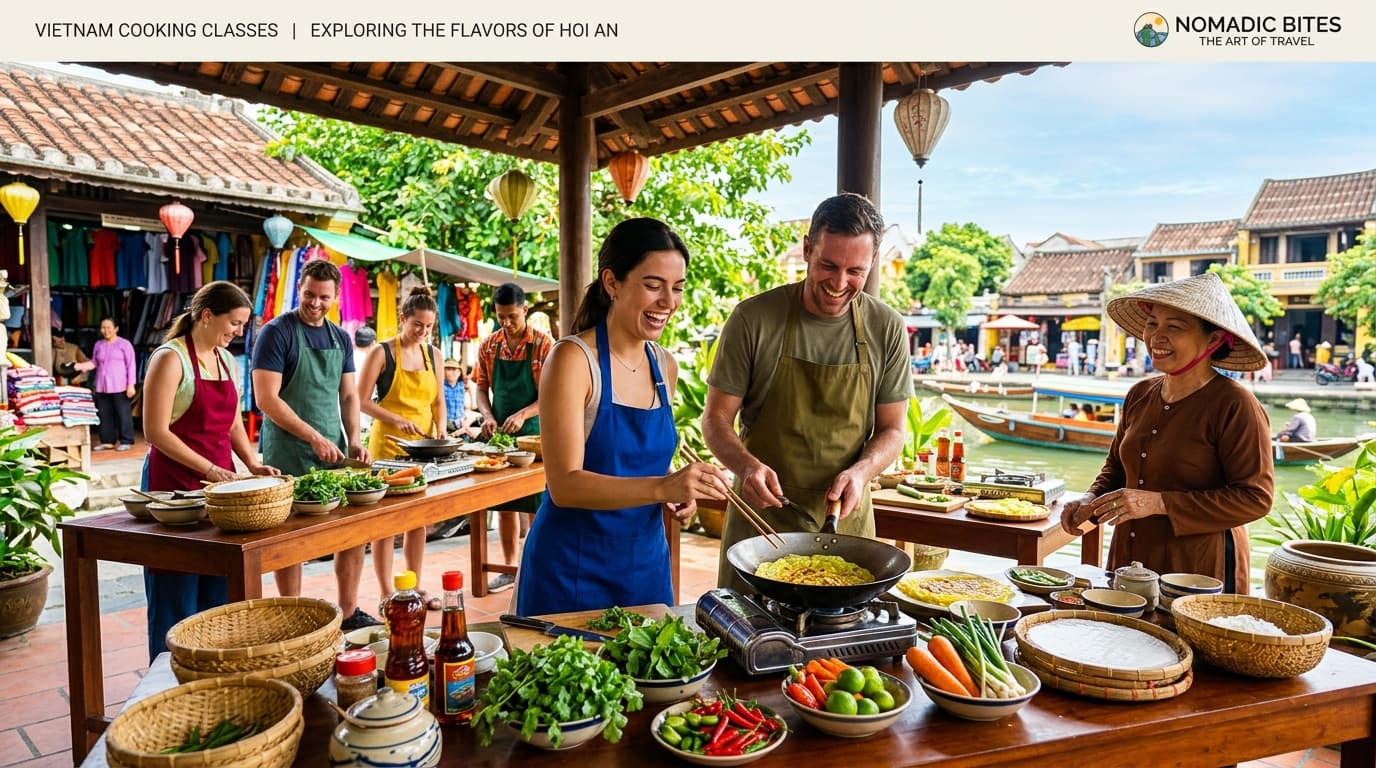
Best Cooking Classes in Vietnam: Hanoi, Hoi An, and HCMC
Find the best cooking classes in Vietnam across Hanoi, Hoi An, and Ho Chi Minh City. Real school names, prices, what you learn, and which market visits are worth it.
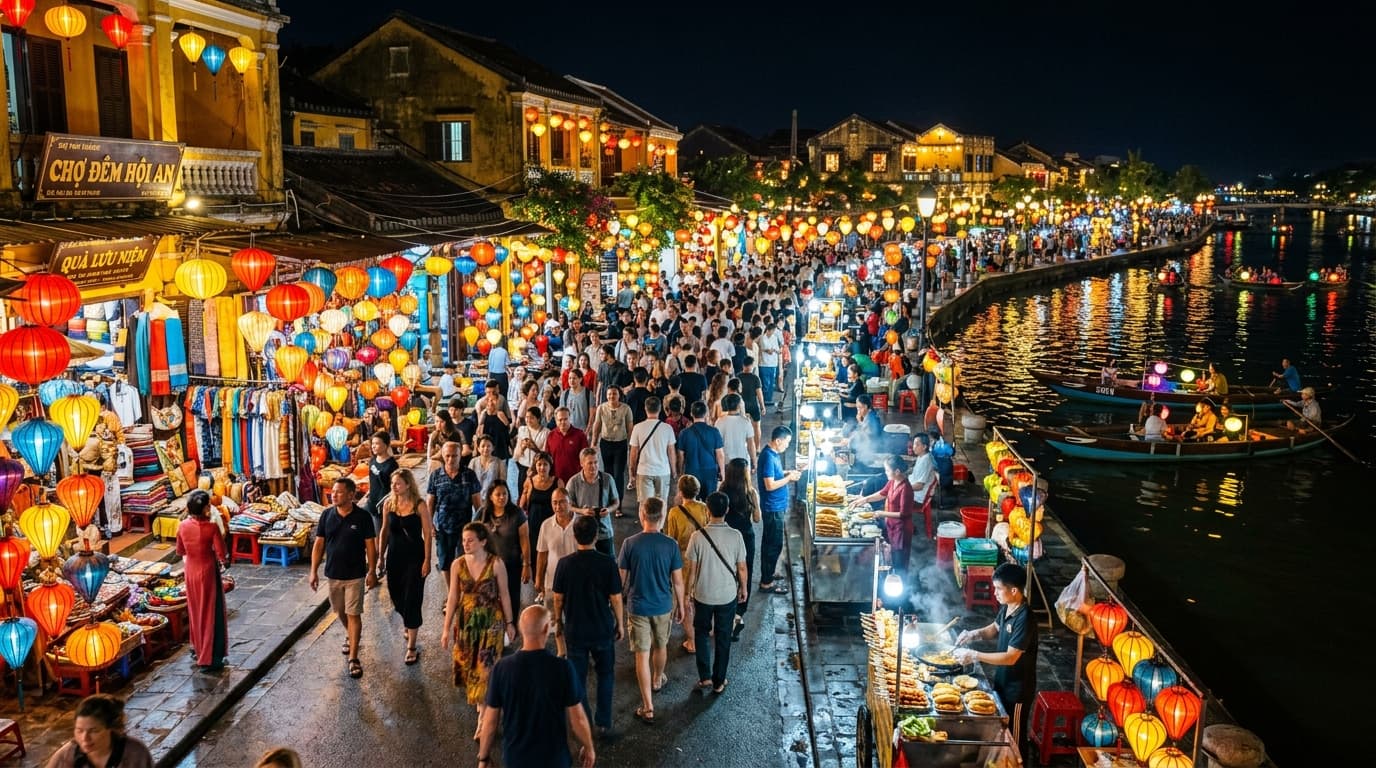
Best Night Markets in Vietnam: What to Eat, Buy, and Expect
The best night markets in Vietnam by city: opening hours, what to buy, what to eat, and how to haggle without getting ripped off.
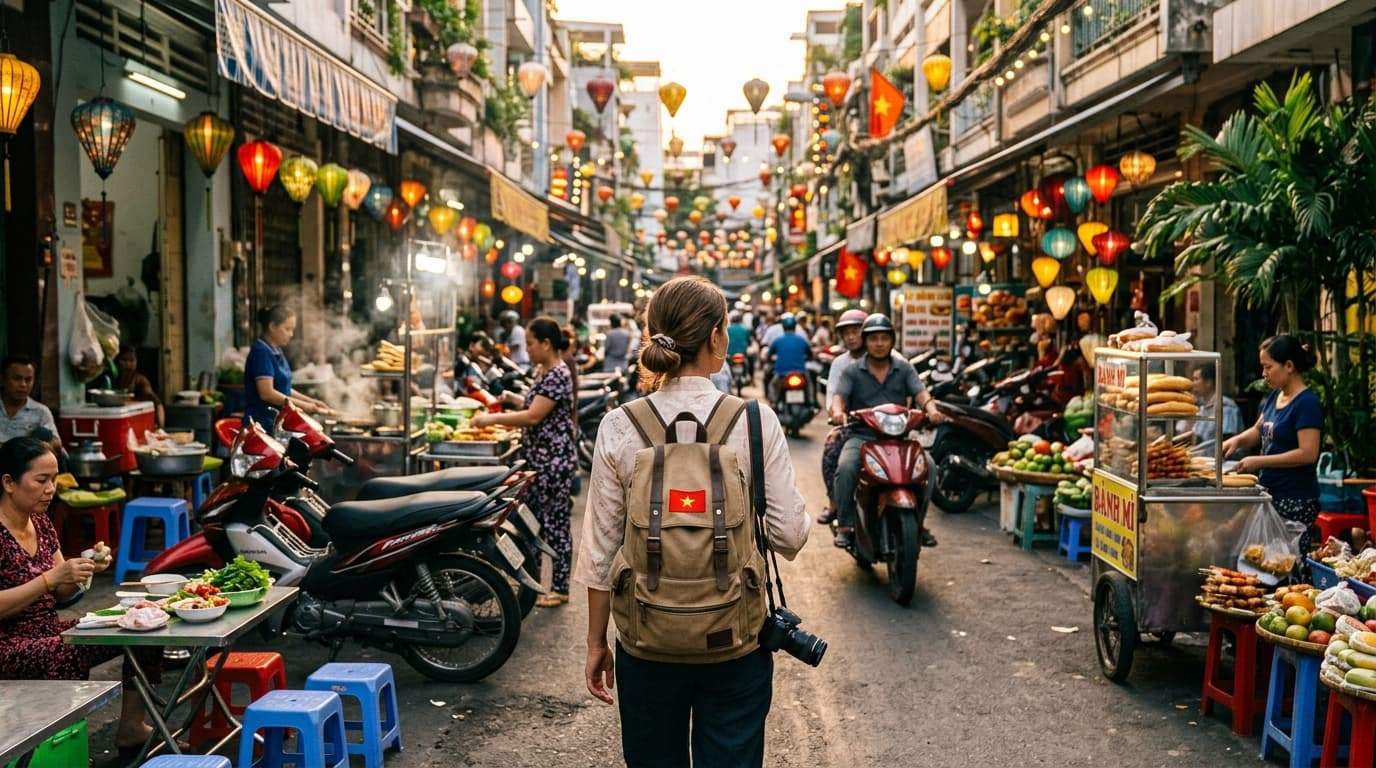
Free Things to Do in Ho Chi Minh City: Budget Travel Guide 2025
Explore Ho Chi Minh City without breaking the bank. Free attractions, budget eats, and insider tips for travelers on a tight budget.
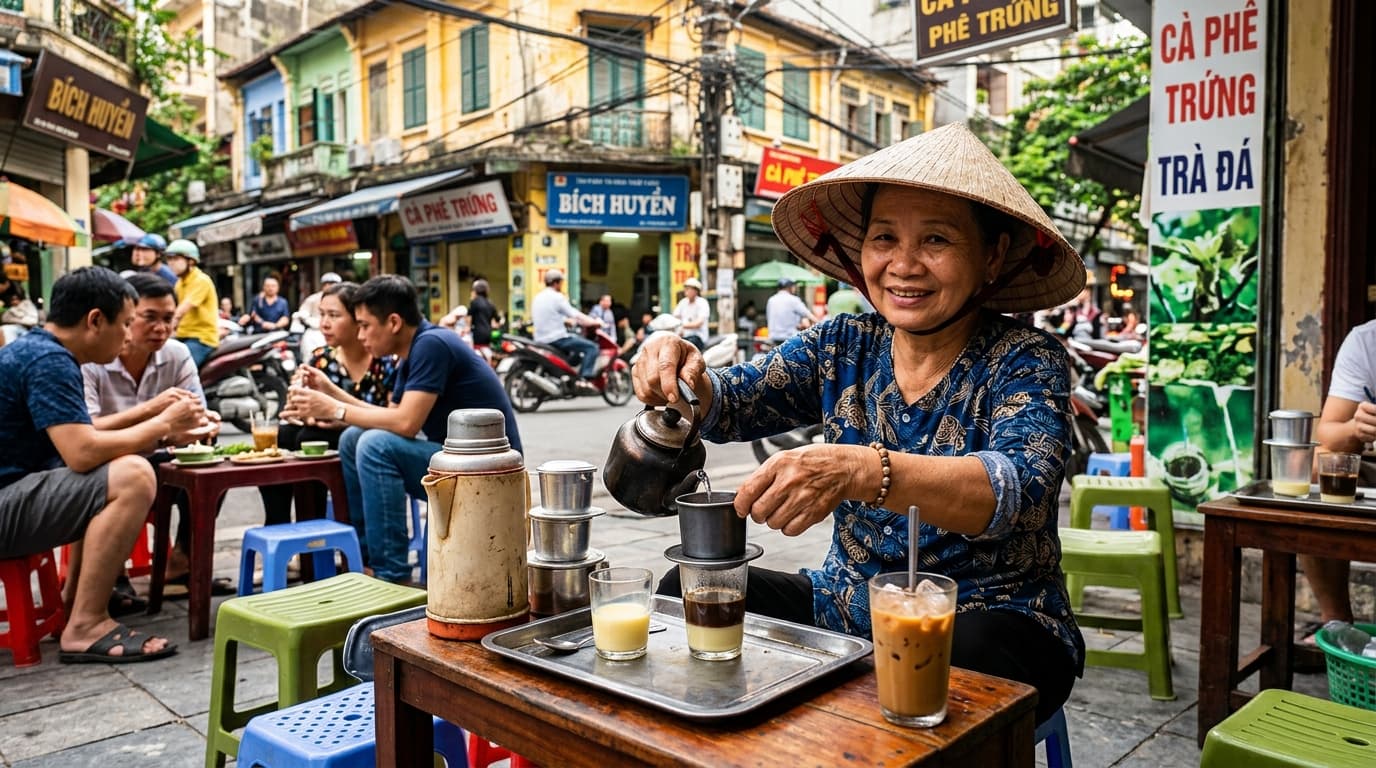
Vietnamese Coffee Culture: From Cà Phê Sữa Đá to Specialty Roasters
The complete guide to Vietnamese coffee culture: history, types of cà phê, where to drink the best egg coffee and cà phê sữa đá, and the best specialty roasters in each city.
Plan Your Vietnam Trip
Book hotels, transport, activities, and get connected with an eSIM
Some links are affiliate links. We may earn a commission at no extra cost to you.